News dated
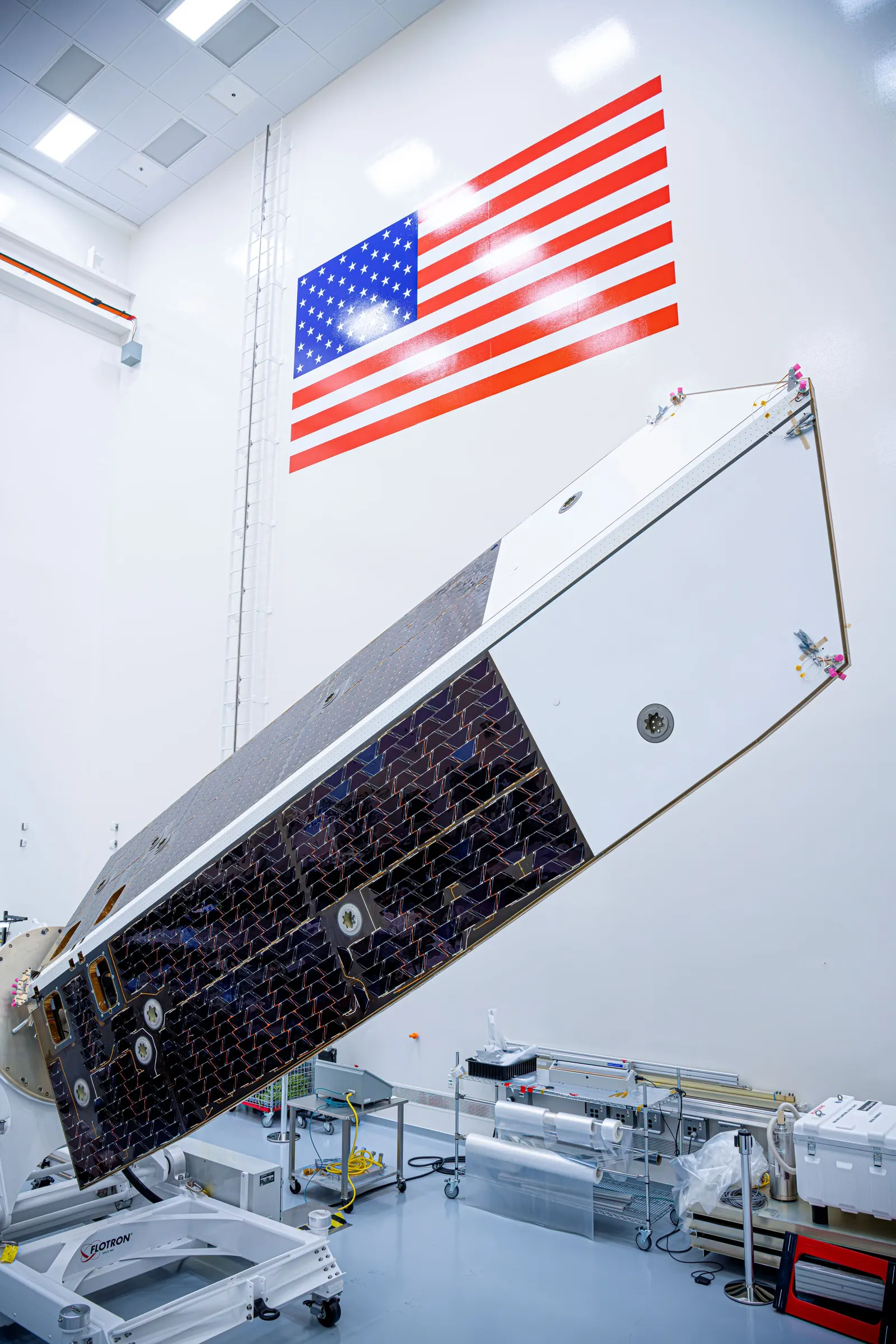
NASA reported on 23 October that Dragonfly had completed its first simulated flight using a flight-like avionics testbed at the Johns Hopkins Applied Physics Laboratory in Maryland. The real-time test joined flight software and electronics with simulated sensor inputs, rehearsing separation, the search for a landing site and descent. [1]
This was a ground-based simulation, not a flight on Titan or a completed space mission. Further tests are planned before launch, which is scheduled no earlier than 2028; arrival at Saturn’s moon is planned for 2034. The test gives engineers a way to examine how components work together before the journey. [1]
The bright side
The integrated test checks how software, electronics and sensor inputs interact on Earth before the mission. [1]
One idea, in simple words
Dragonfly is a NASA mission heading for Titan, a moon of Saturn. On 23 October, NASA described its first simulated flight. A simulation recreates some conditions of a situation so that people can test what happens. Here, computers and electronics worked together with sensor information created for the test. They also practised searching for a place to land. Everything happened on Earth, in a laboratory: Dragonfly has not arrived on Titan. Think of a dress rehearsal for a play, an example that helps separate preparation from the final performance. More checks are needed. Launch is planned no earlier than 2028 and arrival in 2034. Those are programme dates, not results already achieved. [1]
A little discovery to keep
What did you discover?
Straight from the source.
- NASA’s Dragonfly Completes First Simulated Flight NASA · 23 Oct 2026
Original reporting summaries prepared with AI assistance and accessible sources. Our editorial method.