News dated
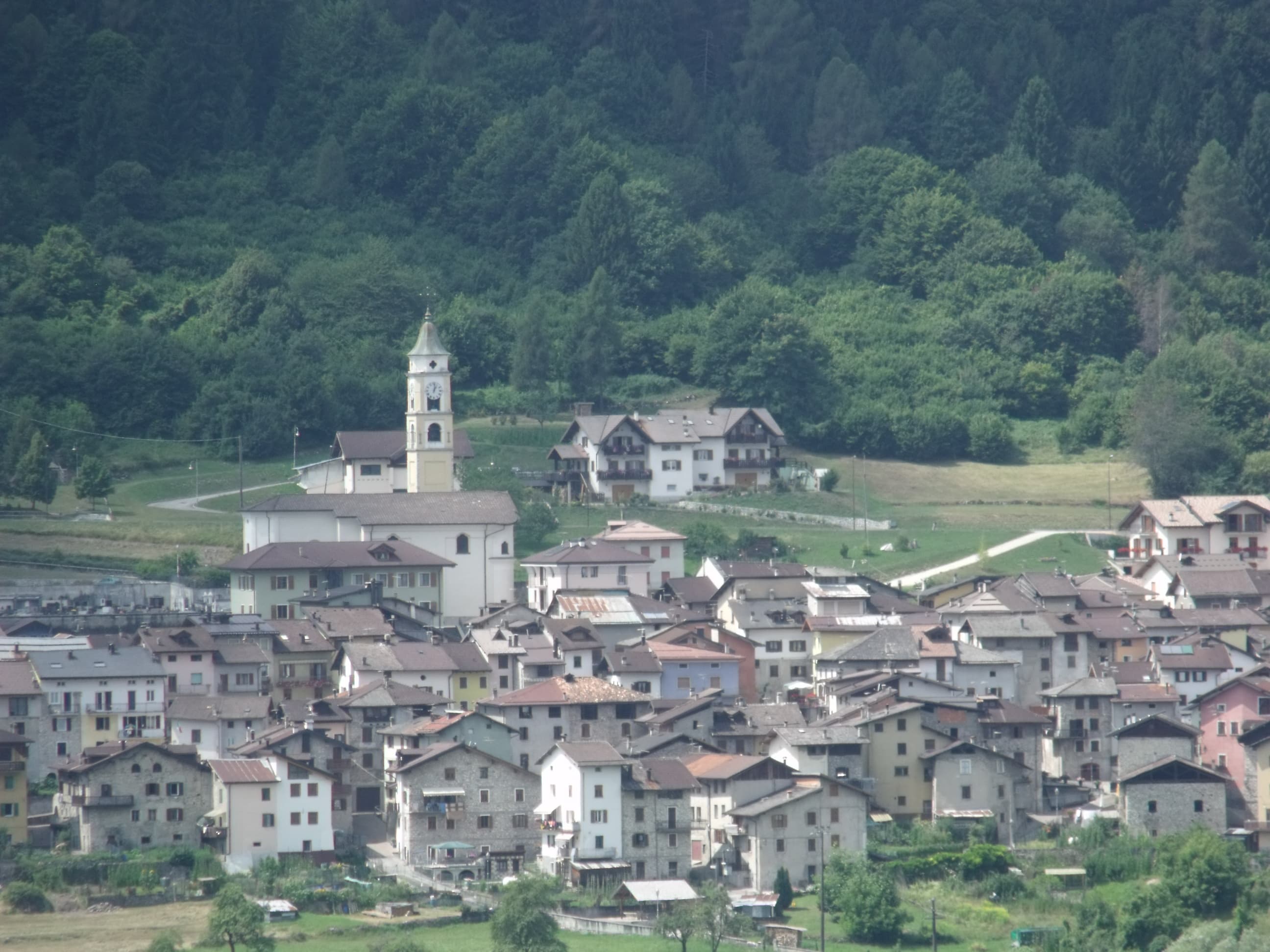
On 2 October, Italy’s National Research Council presented a study of pasture-to-forest transitions in the Tesino area of Trentino. Published in Sustainability Science on 8 September, the research combines aerial photographs from 1954 to 2020, plant and soil investigations, and interviews with local people. [1][2]
The work considers the value of a mosaic of pastures and forests with different functions, rather than one solution for every location. Its 13 interviews are exploratory and do not statistically represent the whole population. This is a local study relevant to management, not proof that more trees are always better or worse. [2]
The bright side
Connecting ecological measurements with local knowledge can support better-informed decisions about land. [1][2]
One idea, in simple words
A mountain meadow and a forest are different, even if both look green. In Tesino, in Italy’s Trentino region, researchers studied how pastures change as trees spread. They compared aerial photographs, examined plants and soil, and listened to local people. Italy’s National Research Council presented the work on 2 October 2026; the study had appeared on 8 September. This approach is interdisciplinary: it combines different kinds of expertise. An editorial example: to understand a garden, you could examine its plants and ask its gardener how it is used. The study’s 13 interviews are exploratory, not a representative survey. The work suggests considering the different functions of pastures and forests, without one identical rule for every mountain. [1][2]
A little discovery to keep
What did you discover?
Straight from the source.
- Leggere il cambiamento del paesaggio alpino con uno sguardo interdisciplinare Consiglio Nazionale delle Ricerche · 2 Oct 2026
- An integrated interdisciplinary framework to explore social-ecological implications of pasture-forest transition in the Italian Alps Sustainability Science — Springer Nature · 8 Sept 2026
Original reporting summaries prepared with AI assistance and accessible sources. Our editorial method.