News dated
In a report published on 6 November, UNESCO presents results from an education programme in Cameroon carried out between 2022 and 2026 with support from Education Cannot Wait and a consortium of organisations. Non-formal education reached 36,470 children, including 2,907 with disabilities; 1,209 facilitators and supervisors were trained. [1]
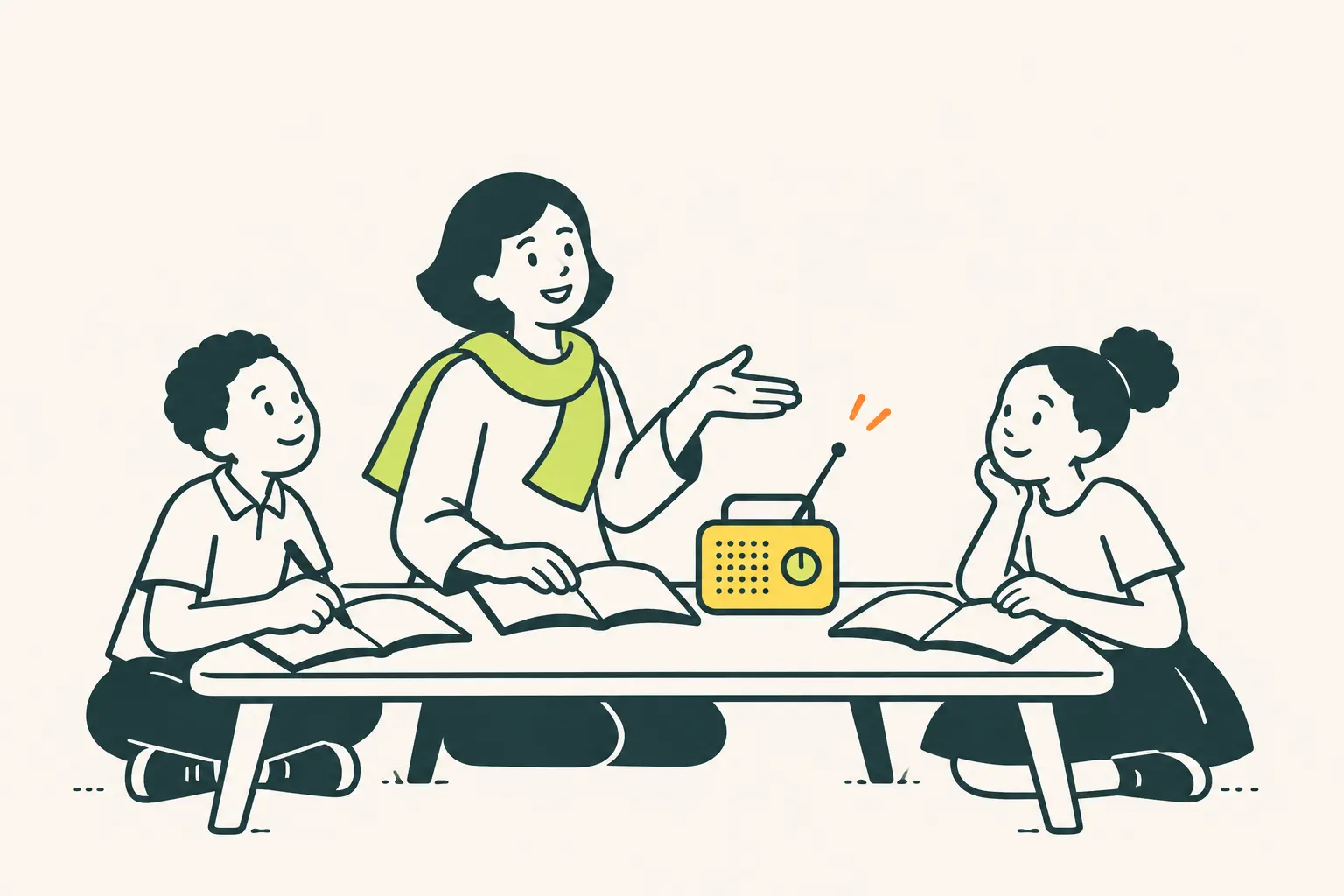
The tools described include radio learning, educational materials and training. The source also reports 213,931 learners reached through inclusion, wellbeing and social cohesion activities in more than 450 schools and centres. The two counts describe different activities and must not be added as unique people. These are multiyear outcomes reported now, not children all reached on 6 November, or an end to the crises disrupting education. [1]
The bright side
Different learning routes and tools keep educational opportunities open for children facing barriers, including barriers linked to disability. [1]
One idea, in simple words
In Cameroon, a programme helped children keep learning in difficult circumstances. UNESCO reported its results on 6 November. The activities ran from 2022 to 2026; they did not all happen on one day. Non-formal education means organised learning that can take place outside the usual school system. This part of the programme reached 36,470 children, including 2,907 with disabilities. [1]
The programme used radio lessons, learning materials and training for people supporting learners. As an example, imagine following an explanation even when you cannot attend your usual classroom. The source separately counts other activities supporting inclusion and wellbeing. We cannot add those numbers and assume they always describe different children. These results offer opportunities, but they do not mean every problem in education has been solved. [1]
A little discovery to keep
What did you discover?
Straight from the source.
- Dreaming of becoming a nurse: Opening doors to education in Cameroon UNESCO · 6 Nov 2026
Original reporting summaries prepared with AI assistance and accessible sources. Our editorial method.