News dated
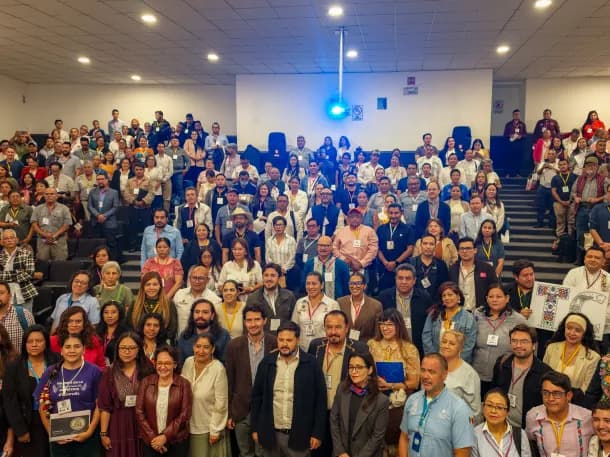
On 25 September, UNESCO reported on a Mexican community tourism meeting. Research aims to measure social, cultural and environmental effects alongside income. [1]
The meeting began on 23 September. Secihti announces indicators for assessing tourism’s effects. These are research commitments, not demonstrated improvements in local lives. [2]
The bright side
The community tourism approach supported by UNESCO starts with local participation and training, aiming to put residents in charge. [3]
One idea, in simple words
A place can receive many visitors. But are its residents better off? A meeting in Mexico explored questions like this about tourism. [1]
Researchers and institutions began their discussions on 23 September. They want to use indicators: measures that help us understand an activity’s effects. Announcing a project does not prove that it has already improved people’s lives. [2]
Community tourism involves residents in decisions and activities. As an invented example, imagine a walk led by someone who lives in the neighbourhood. Who chooses the route? Who gets paid? Training can help people organise their work. Listening to local people is part of the job, alongside caring for their heritage. [3]
A little discovery to keep
What did you discover?
Straight from the source.
- Mexico promotes a community tourism model strengthened by knowledge and science UNESCO · 25 Sept 2026
- Fonatur, Secihti, UNRC y Unesco impulsan modelo de Turismo Comunitario basado en el conocimiento y la ciencia Secihti · 23 Sept 2026
- National Strategy for Tourism in Mexico will have a cultural and community-based UNESCO perspective UNESCO · 30 Apr 2025
Original reporting summaries prepared with AI assistance and accessible sources. Our editorial method.