News dated
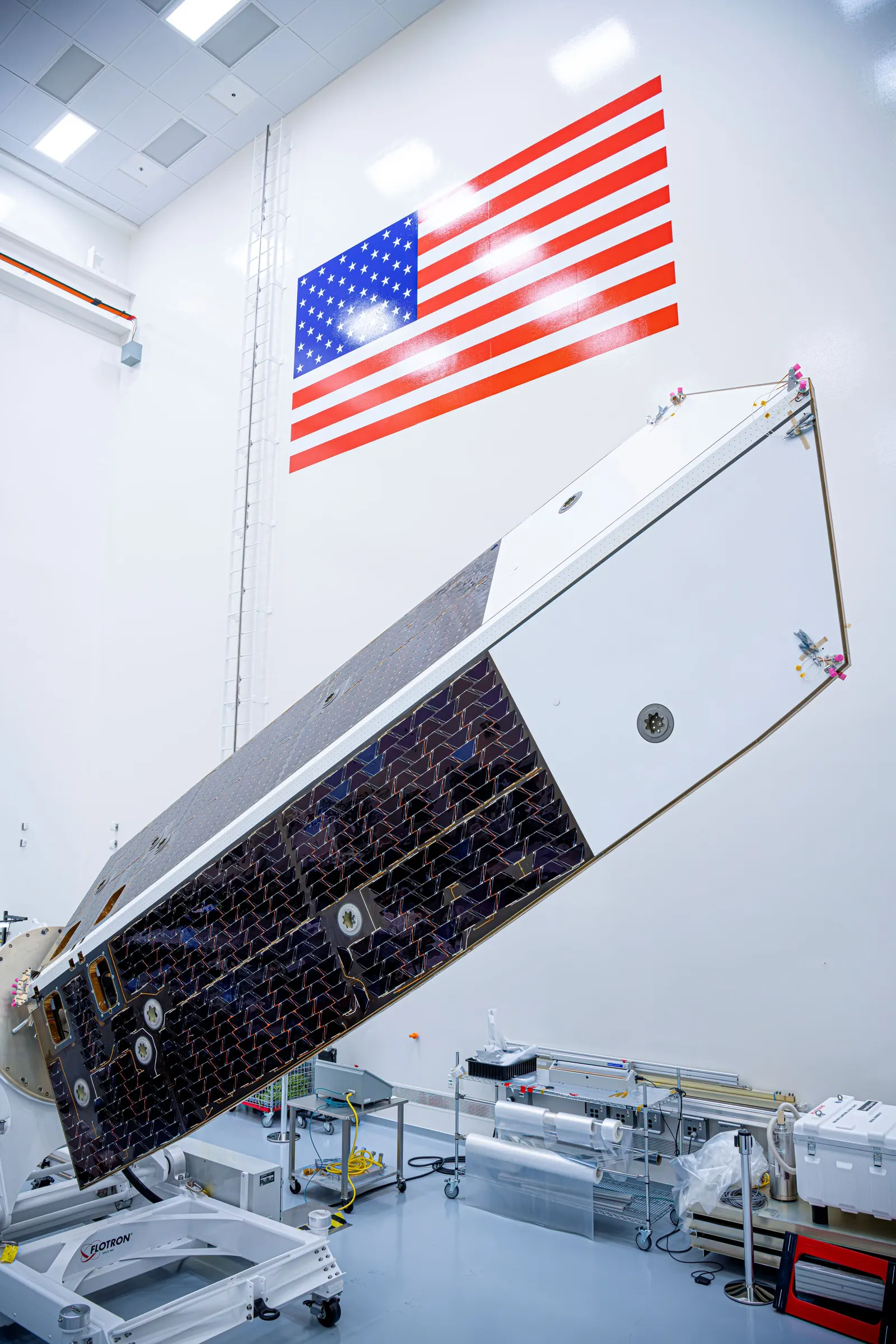
A year after its first flight on 28 October 2025, NASA reports that X-59 has completed another 40 flights. The update, published on 28 October 2026, describes expanding the conditions in which the experimental Quesst aircraft is tested. [1]
During testing, the aircraft has exceeded 56,000 feet in altitude and reached Mach 1.53, faster than sound under the flight conditions. X-59’s shape is designed to reduce the sonic boom heard on the ground. [1]
The next step matters: acoustic validation still has to test its sound performance. The reported flights are not conclusive proof of quiet supersonic transport, nor permission to operate a passenger service. [1]
The bright side
The programme is building measured flight experience before the phase that will test the design’s acoustic performance. [1]
One idea, in simple words
X-59 is an experimental NASA aircraft. It is used to study how to reduce the sound a fast aircraft makes on the ground. Its first flight took place on 28 October 2025. One year later, NASA reports another 40 flights. It is not an aircraft you can book for a holiday. [1]
During testing, it reached Mach 1.53. Mach compares an aircraft’s speed with the speed of sound: a number above one means the aircraft is faster than sound. But flying fast does not yet prove that the noise is low enough. The programme still needs a phase of acoustic measurements, which means measuring sound. Those measurements will test this part of the design, rather than simply assuming it works. [1]
A little discovery to keep
What did you discover?
Straight from the source.
- NASA Celebrates a Year of Progress Since First X-59 Flight NASA · 28 Oct 2026
- NASA’s Mike Lippert Takes Controls of X-59 for First Time NASA · 22 Oct 2026
Original reporting summaries prepared with AI assistance and accessible sources. Our editorial method.