News dated
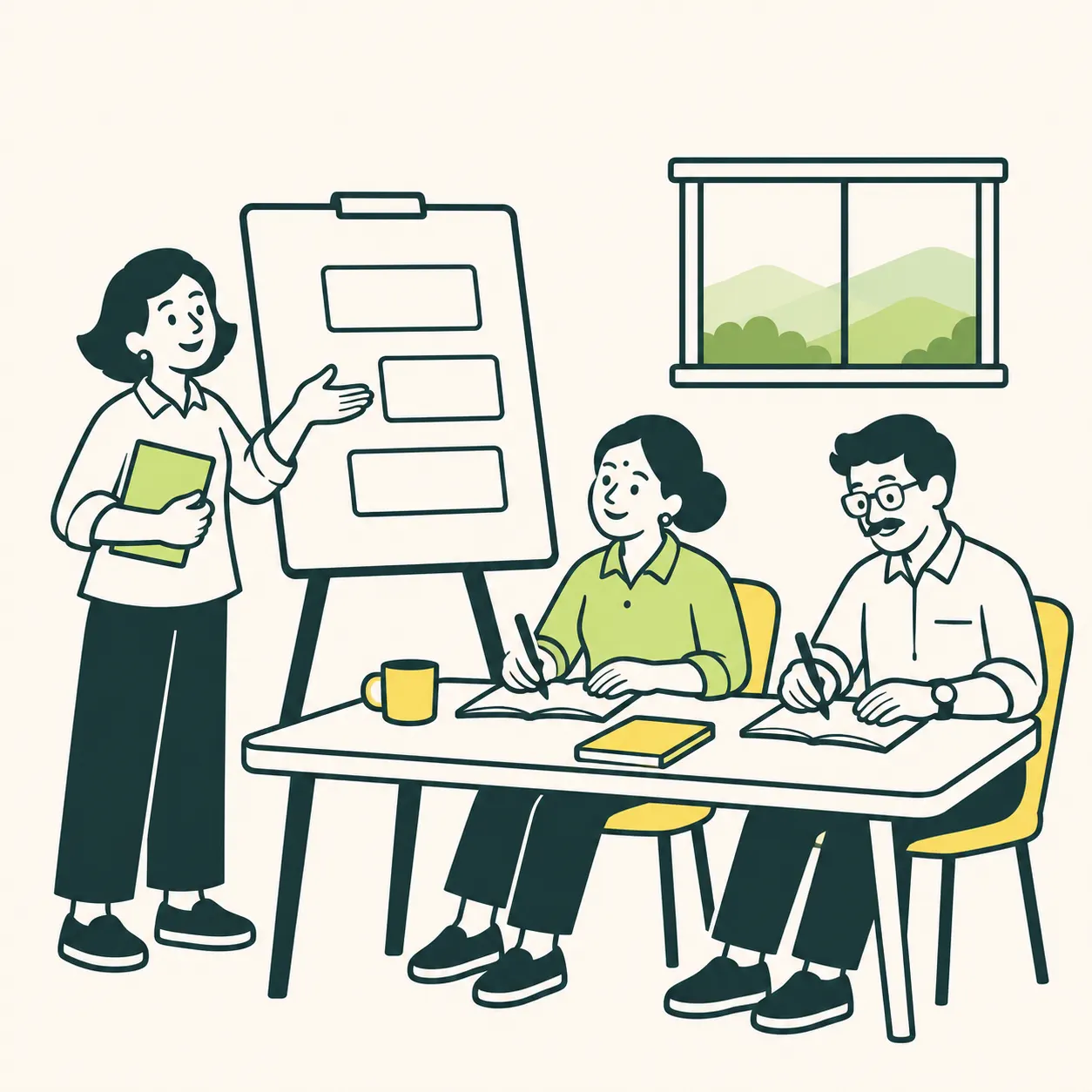
In a report published on 5 November, UNESCO describes training in education in emergencies and psychosocial support held in Nepal on 13–15 October. Twenty-eight teachers took part: 24 from Gajuri and four from Benighat Rorang. Delivered with local partners and Save the Children, the course addressed learning continuity and the well-being of pupils and teachers. [1]
The intervention was supported by UNESCO’s SDG4 Emergency Fund for education. The training is a completed activity; the report does not measure a full recovery of learning or say that every need has been met. UNESCO stresses that further support is needed for affected communities. [1][2]
The bright side
Preparing the adults who support pupils adds a concrete form of help to the resumption of education. [1]
One idea, in simple words
After a flood, returning to learning can be difficult even when a place for lessons is available. Children may have lived through frightening events, and teachers may need help too. In Nepal, 28 teachers attended training on 13–15 October. UNESCO reported on it on 5 November. The course explored how to keep teaching during an emergency and how to support the well-being of pupils and adults. [1]
Psychosocial support pays attention to feelings and relationships with other people. Imagine receiving a new exercise book but still feeling too worried to concentrate: supplies alone do not solve everything. This is an example, not a participant’s story. The training took place, but more help will still be needed. The report does not tell us how much lost learning has been recovered. [1]
A little discovery to keep
What did you discover?
Straight from the source.
- Supporting teachers for learning continuity in flood-affected areas in Nepal UNESCO · 5 Nov 2026
- SDG4 Emergency Fund UNESCO · No publication date provided
Original reporting summaries prepared with AI assistance and accessible sources. Our editorial method.