ScienceThe good news
The ISS unfurls its last new solar array
The eight-array upgrade was completed on 5 November, bringing the station’s power generation capacity to about 215 kilowatts.
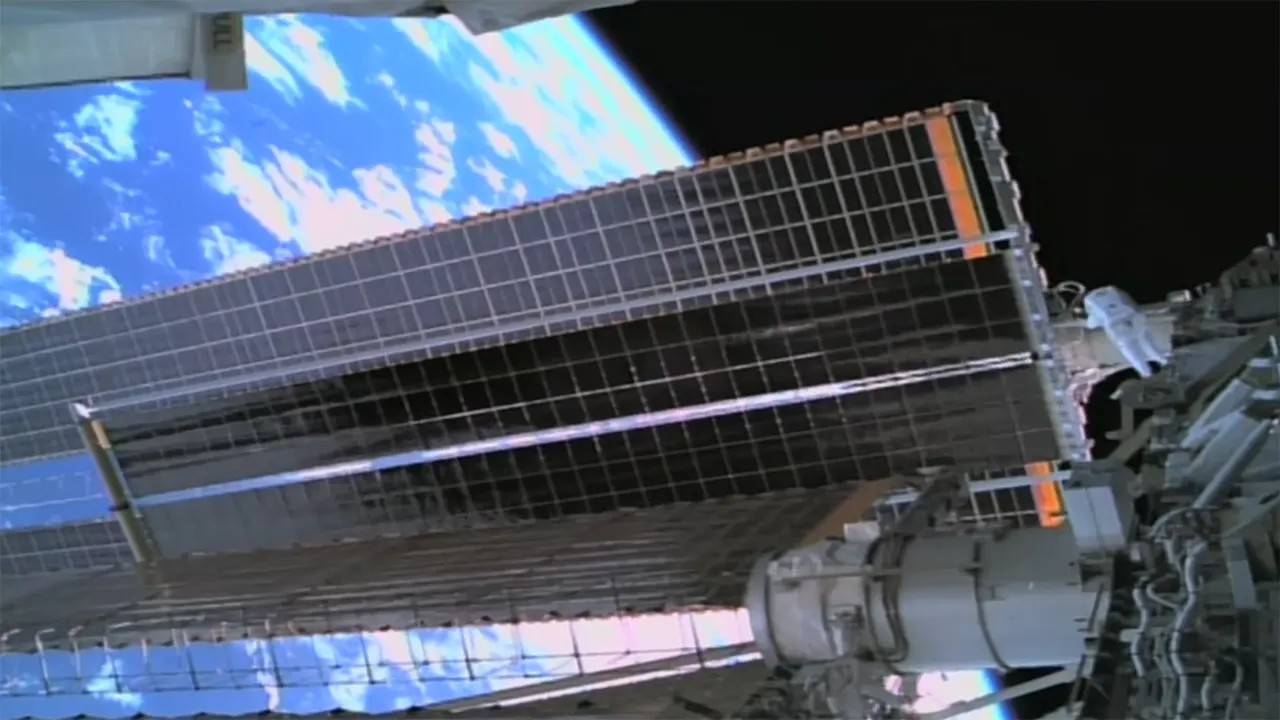
Photo · NASA+ · NASA Images and Media Usage Guidelines
From the archive: the edition of , with the original dates and sources for every story. Read the latest edition.
Music for today ·The eight-array upgrade was completed on 5 November, bringing the station’s power generation capacity to about 215 kilowatts.
Photo · NASA+ · NASA Images and Media Usage Guidelines
NEAMWave26 tests tsunami-warning communications: the scenarios dated 5 and 11 November are simulations.
AI illustration · Positive Times · ImageGen
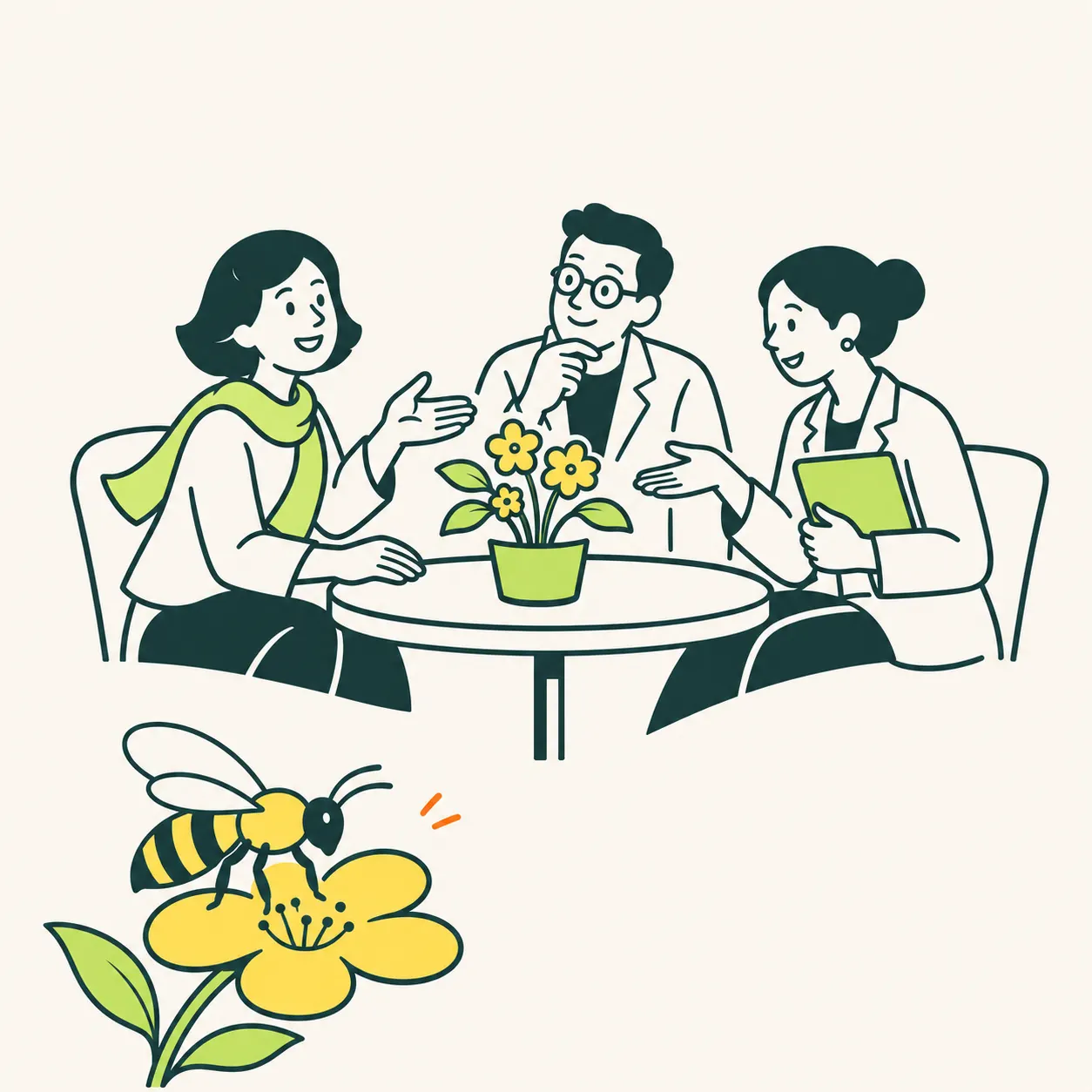
The FAO conference on 5–6 November discusses a platform to coordinate knowledge and action. Its implementation is still to be defined.
AI illustration · Positive Times · ImageGen
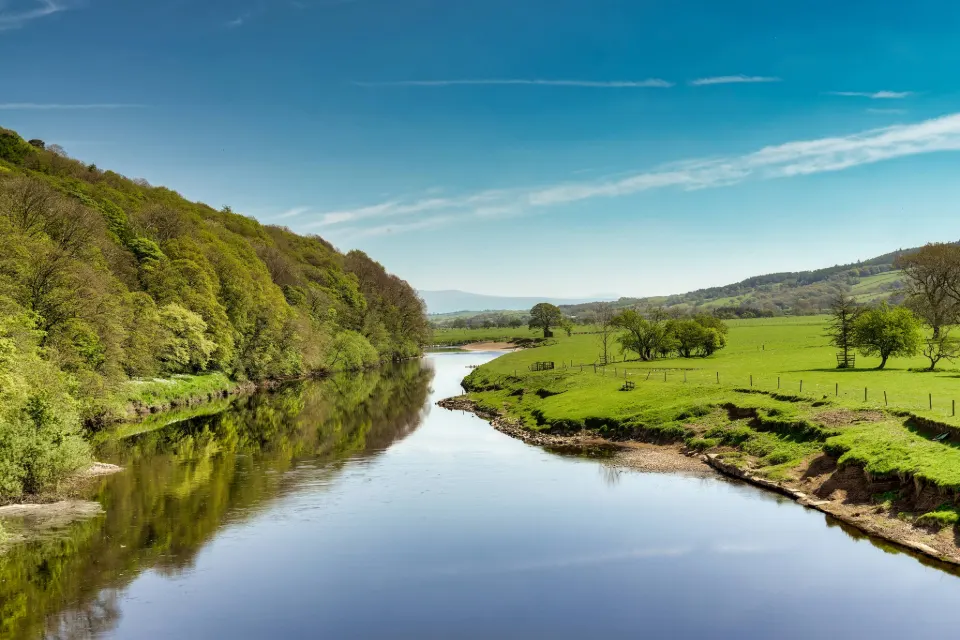
Eight regional councils are proposed to shape investment with local leaders, customers and businesses. Environmental results remain to be assessed.
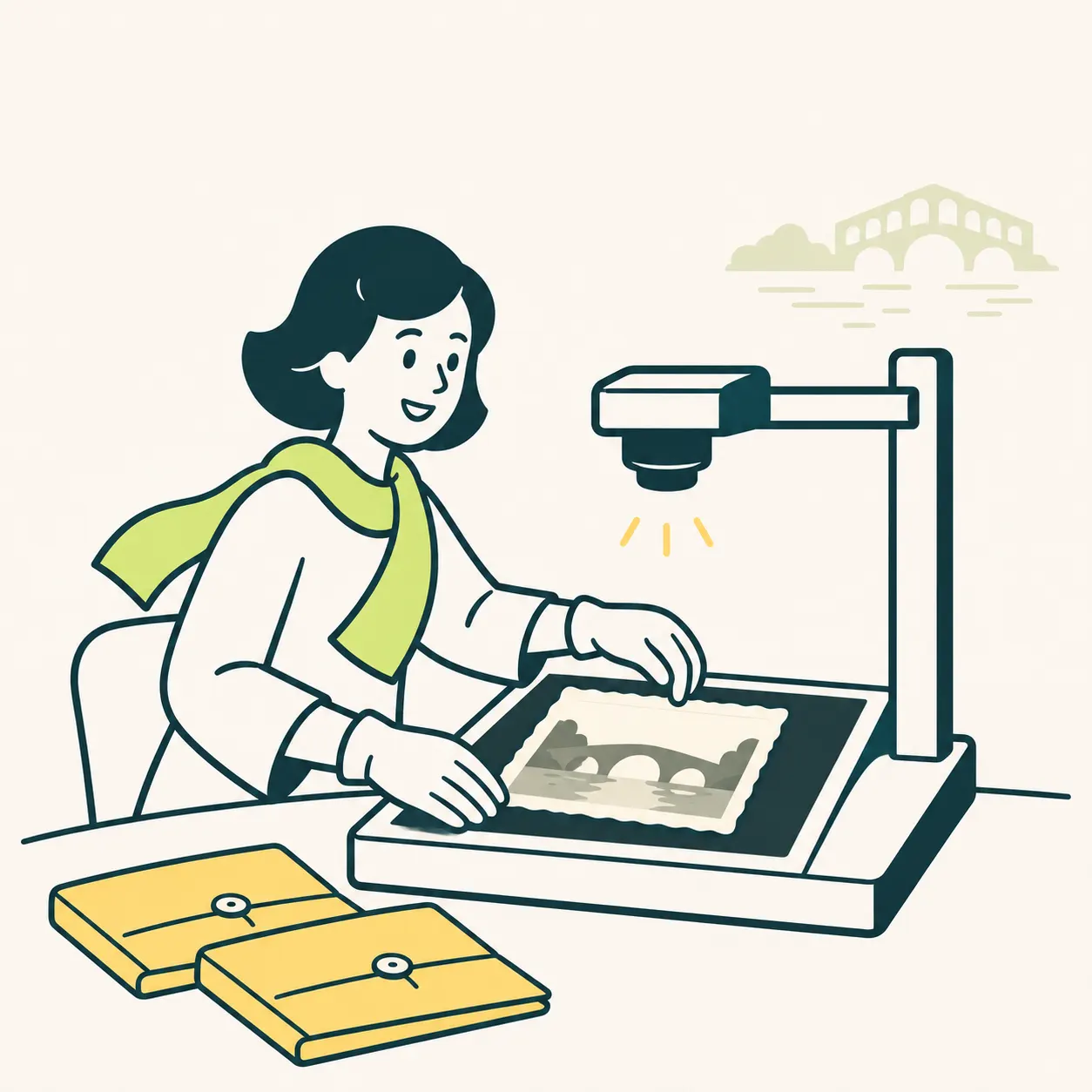
UNESCO and the Cini Foundation launch a two-year project: about 110,000 documents, 6,000 photographs and audiovisual materials will gradually become accessible.
AI illustration · Positive Times · ImageGen
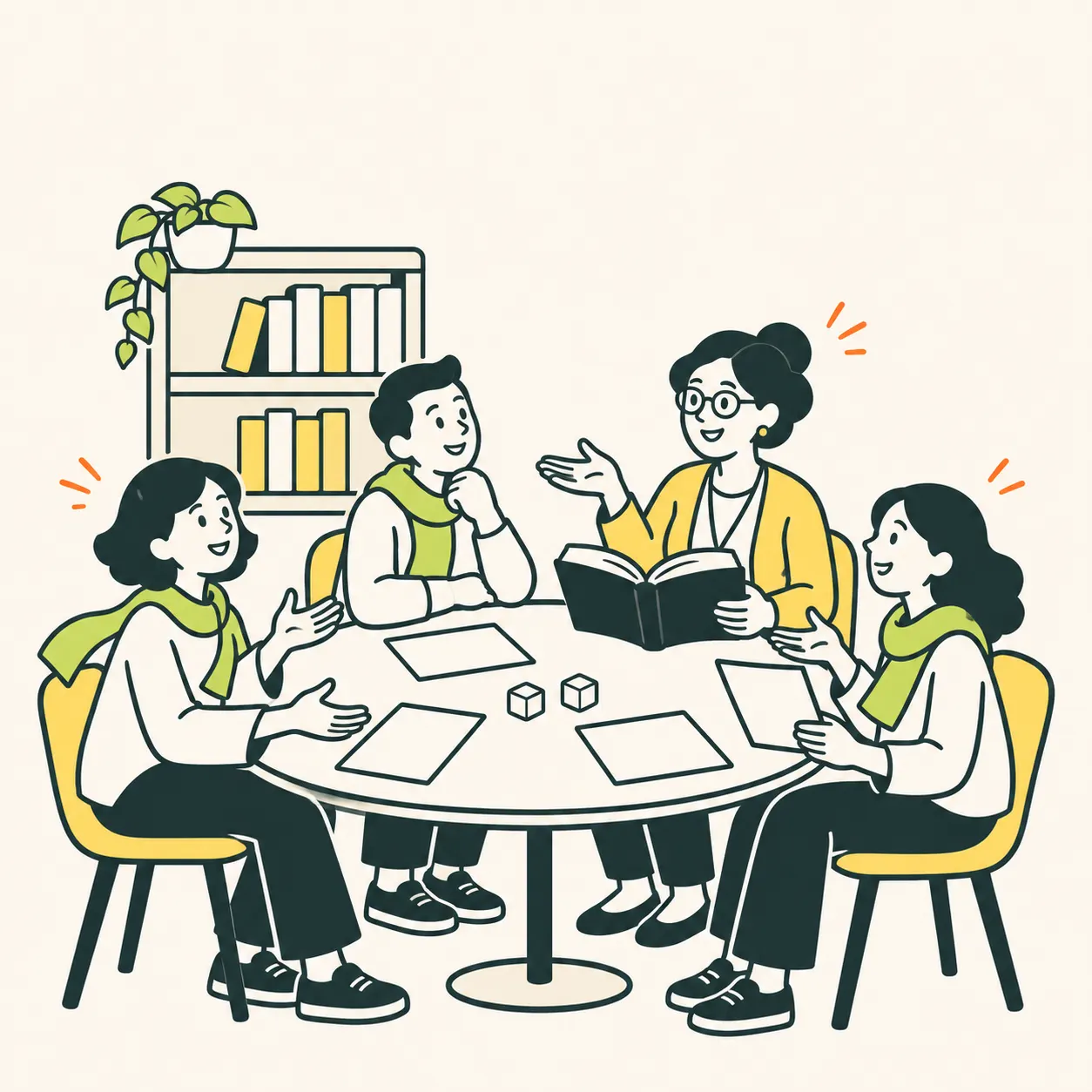
Oltre la soglia offers role-playing games for 11–13-year-olds. The next Scandellara session is scheduled for 6 November.
AI illustration · Positive Times · ImageGen
UNESCO reports on training held on 13–15 October for 28 teachers from flood-affected communities.
AI illustration · Positive Times · ImageGen
Design · Philosophy · Plants · Curiosities · Words · Food · Cultures & peoples. Ideas worth a closer look.
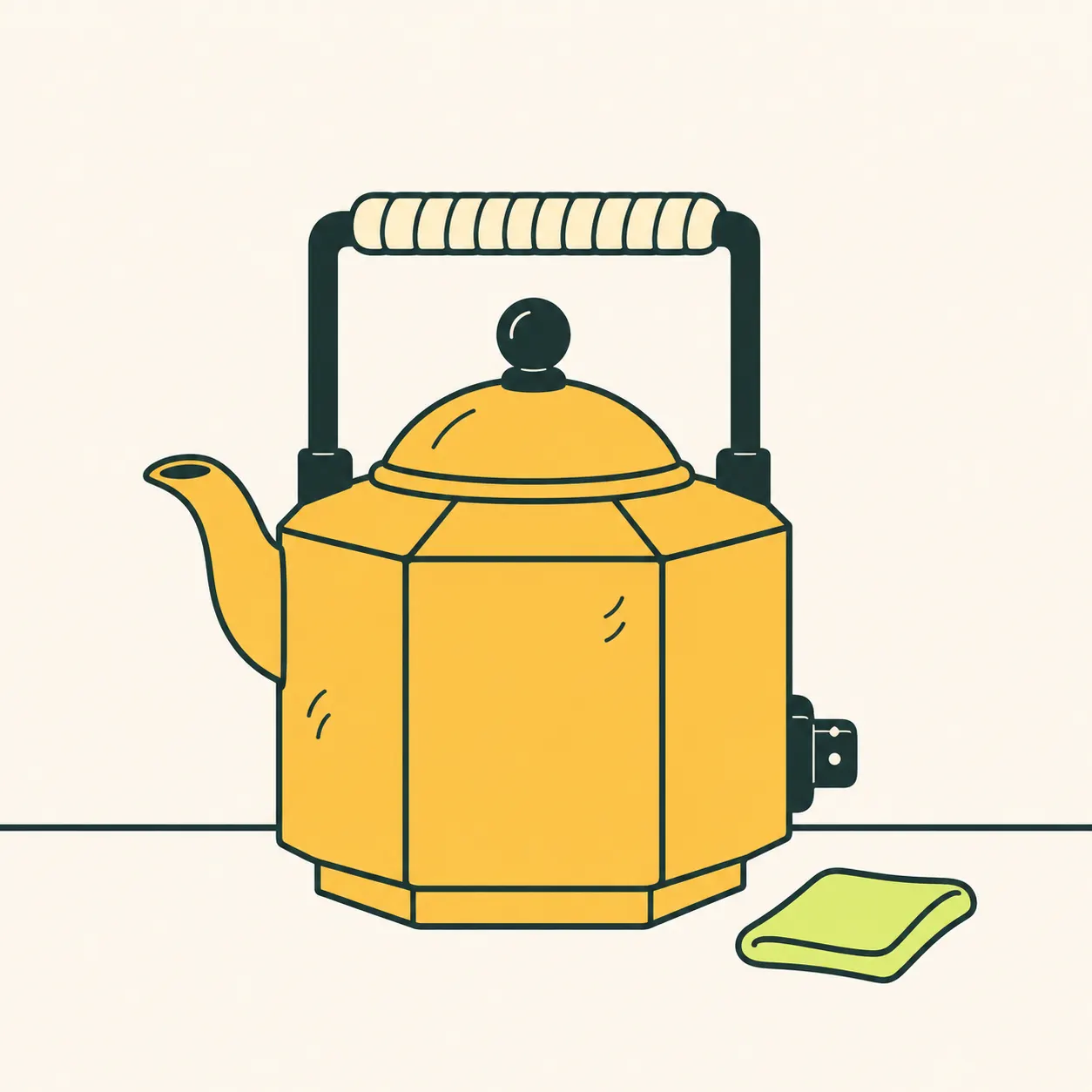
An AEG kettle from 1909 pairs industrial geometry with a covered handle, showing how a new technology can look familiar.
Read the full story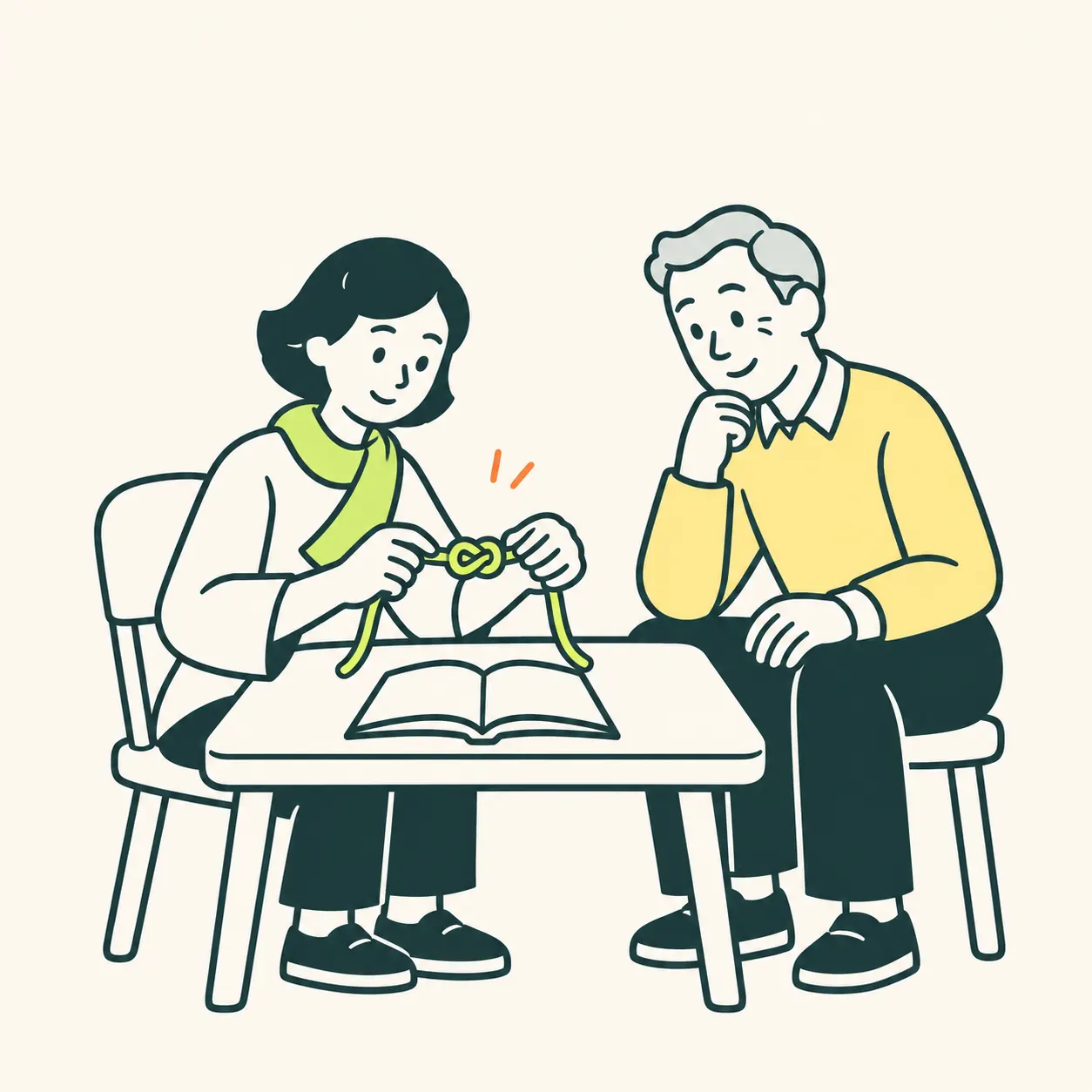
A phrase from Xunzi urges continued learning, but its purpose concerns how we behave rather than how much information we collect.
Read the full story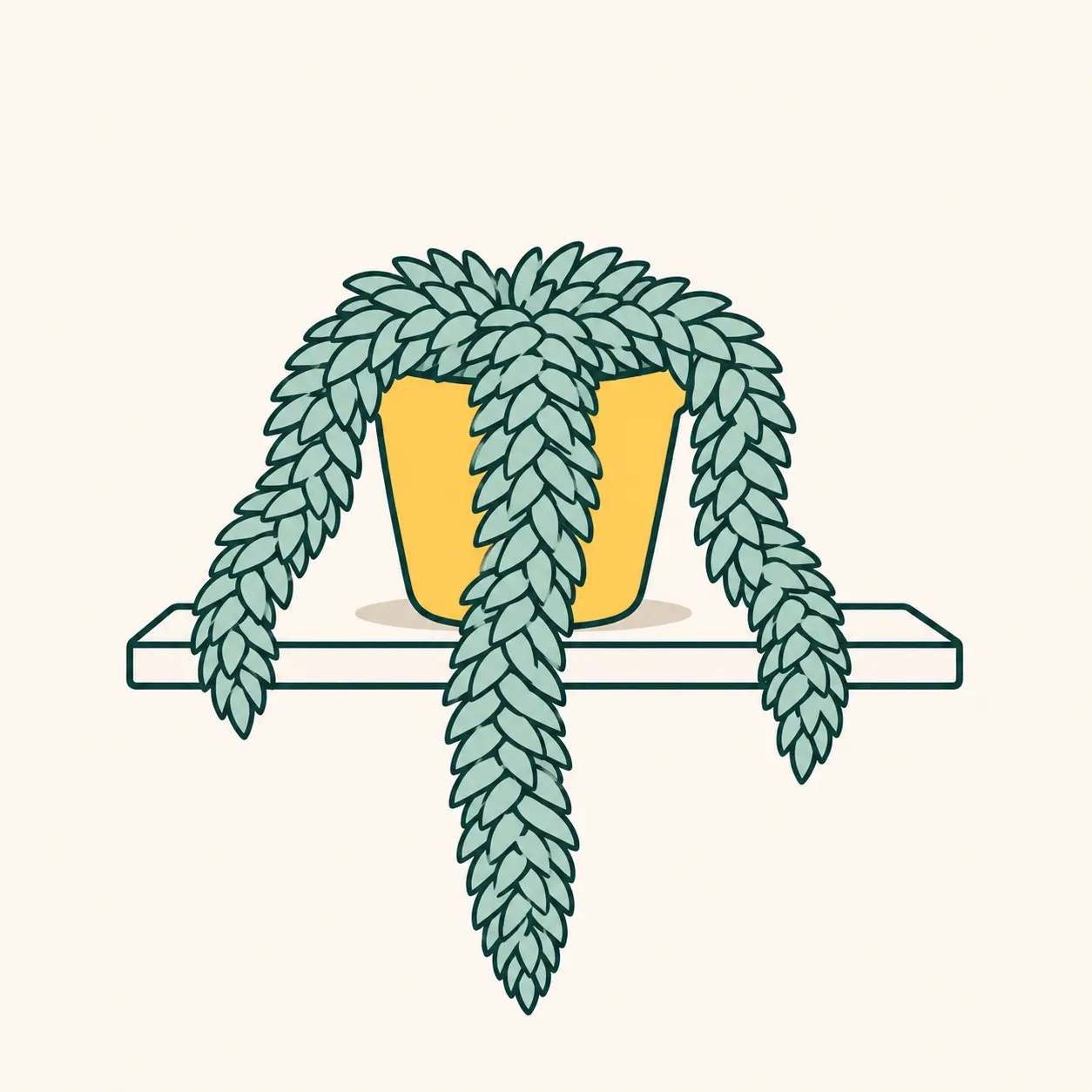
The trailing stems of this succulent carry densely packed fleshy leaves, whose fragility makes space an important part of care.
Read the full story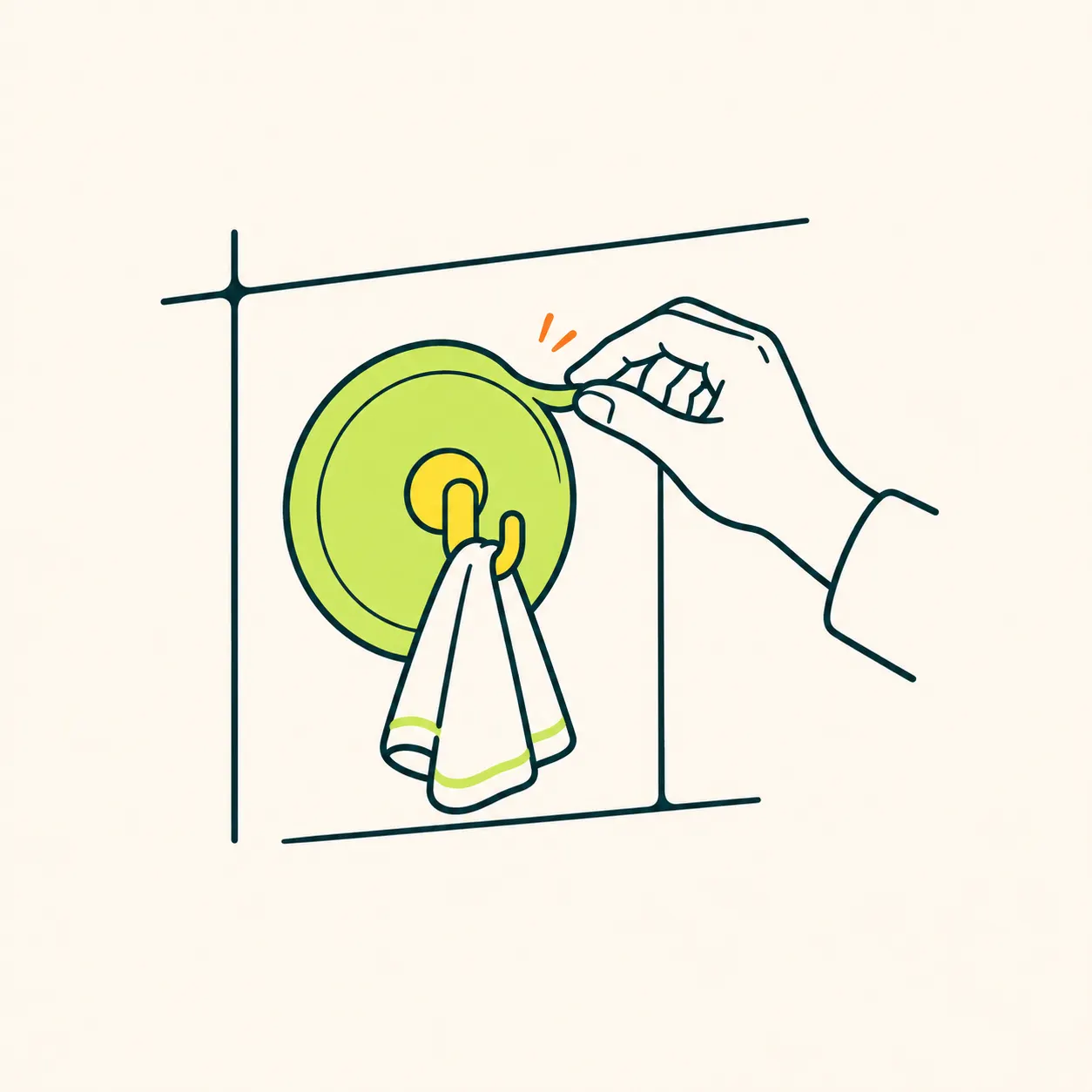
A bathroom hook hides a pressure difference, while a small fish reveals how much depends on the rim that maintains contact.
Read the full story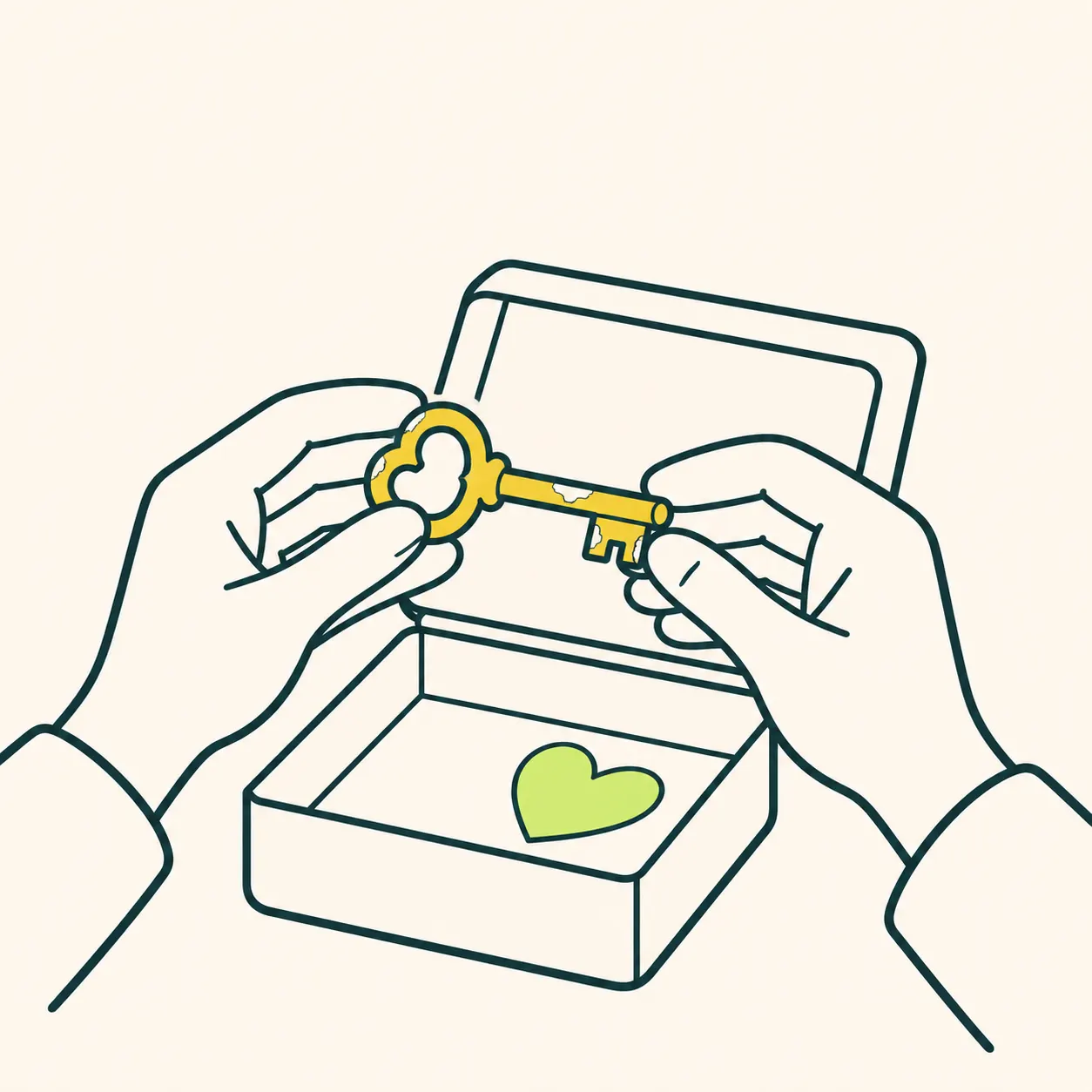
The Italian verb preserves a connection to Latin cor, heart: a historical image of memory rather than an account of anatomy.
Read the full story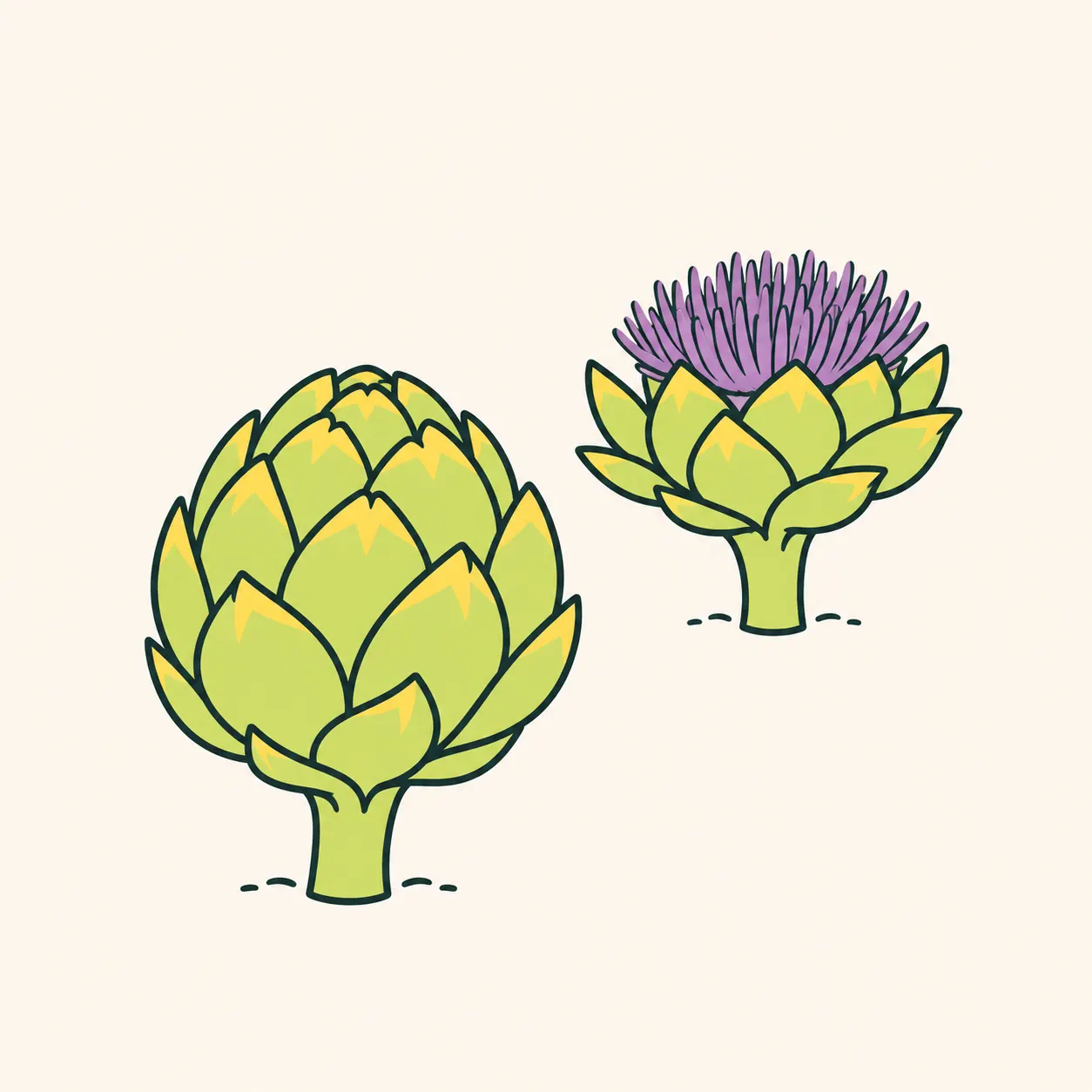
The globe artichoke we buy is an immature flower head, and its fleshy parts reveal a plant observed before opening.
Read the full story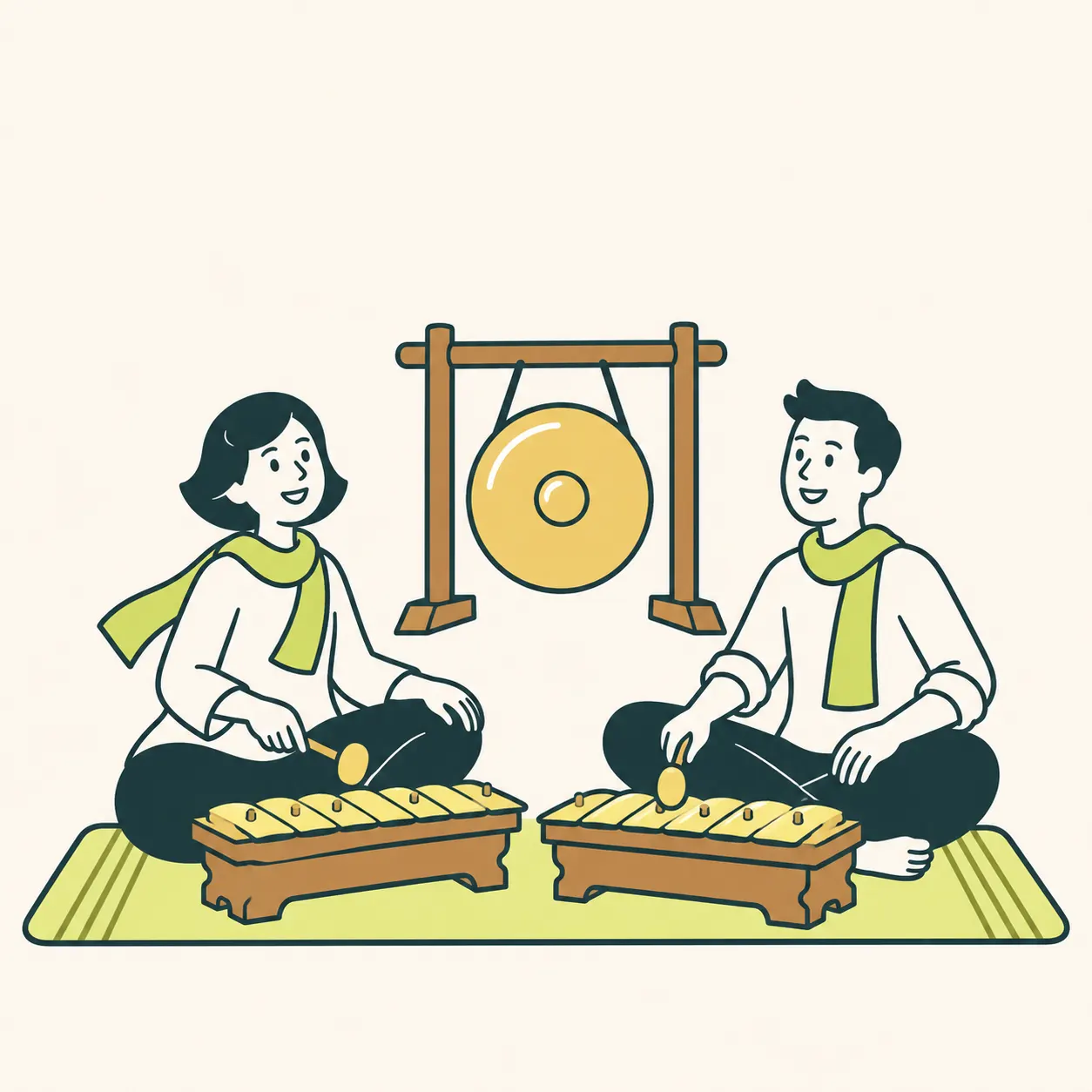
In a Balinese example documented by the Smithsonian, slightly different tunings contribute to a shimmering sound, with precision built collectively.
Read the full storyOriginal illustrations made with AI assistance. Facts and sources stay in plain sight.
 Enlarge the chart
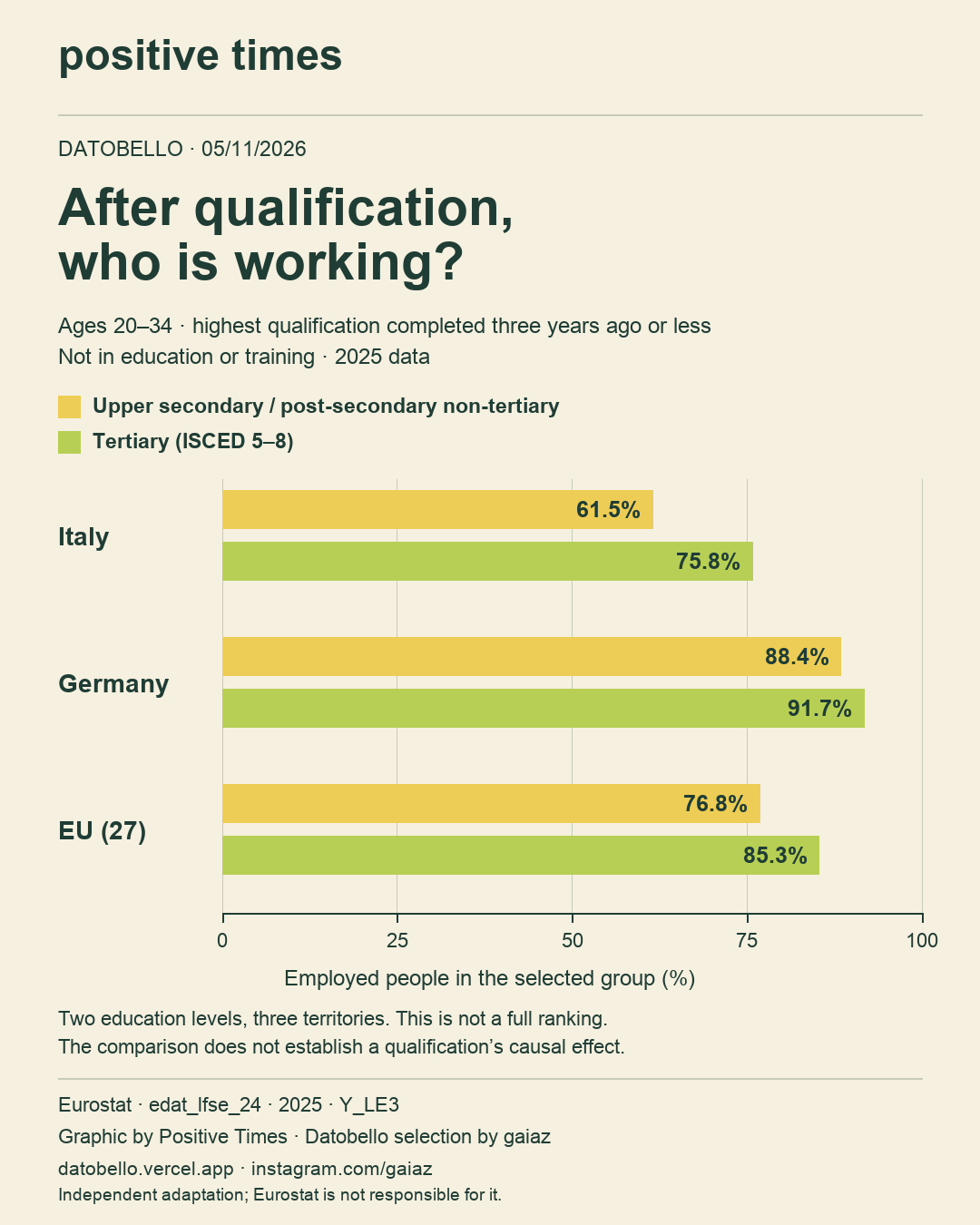
In 2025, Italy’s employment rate was 61.5% for the selected group aged 20–34 with upper secondary or post-secondary non-tertiary education, and 75.8% for those with tertiary education. Germany’s figures were 88.4% and 91.7%; the EU27 figures were 76.8% and 85.3%. The selection covers people who completed their highest qualification three years ago or less and received no education or training in the four weeks before the survey. [1][2]
The Eurostat filter is “three years or less” (Y_LE3), distinct from the usual “one to three years” recent-graduate indicator (Y1-3). ISCED levels 3–4 cover upper secondary and post-secondary non-tertiary education; levels 5–8 also include short-cycle tertiary qualifications and doctorates, not just degrees. These differences do not isolate the effect of education or country and say nothing by themselves about pay, job quality or stability. Data: 2025; selected by Datobello’s gaiaz on 5 November 2026; Positive Times graphic prepared on 6 November. Eurostat is not responsible for this adaptation. [1][2][3]
A project by gaiaz · Instagram
That is quite a lot of good for one day.
Browse the other editions