Latest discovery ·
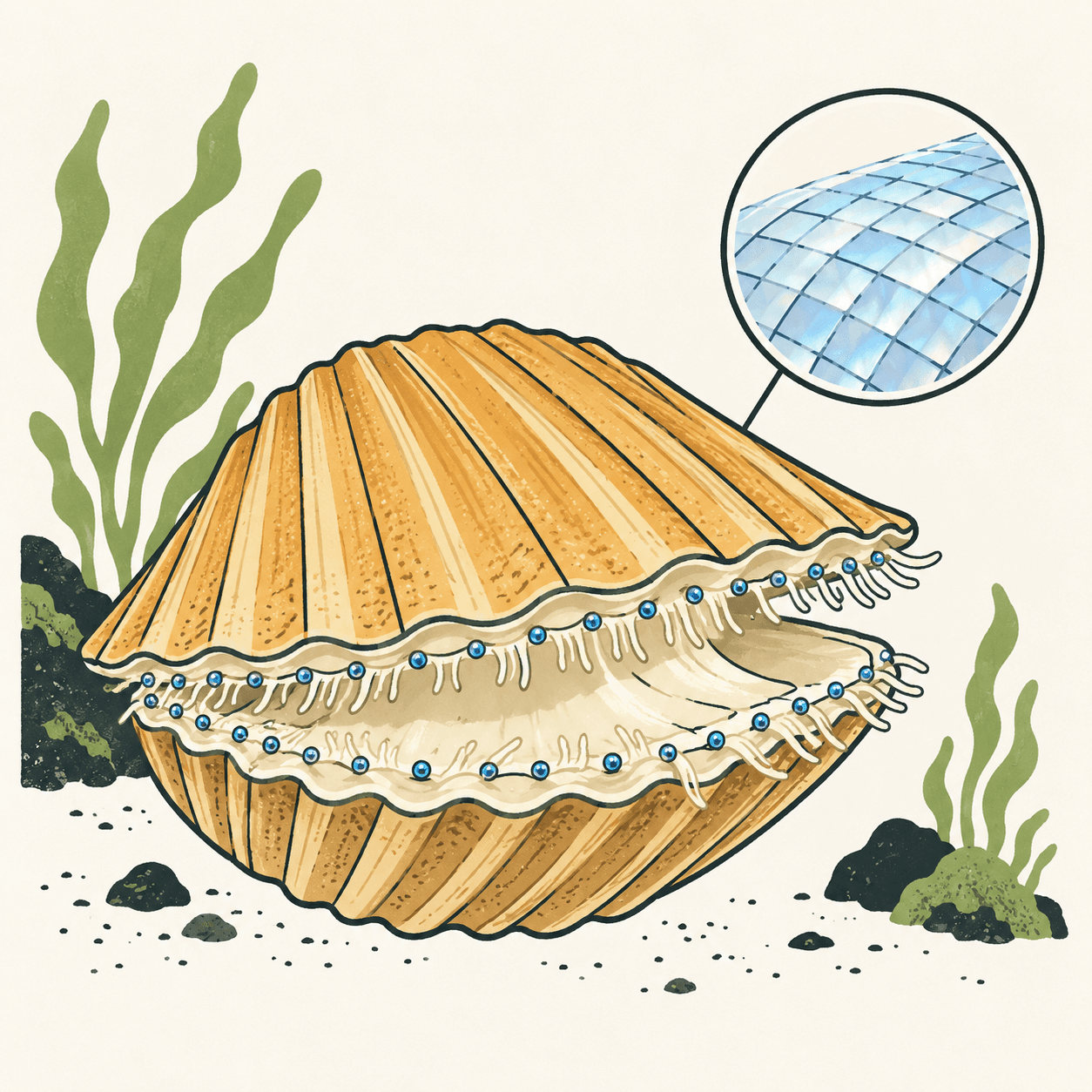
Scallops: there is a mirror inside the eye
Tiny eyes along the mantle hide an unusual optical solution: a curved surface reflects incoming light towards the retinas.
Read the full storyThe world still has a few surprises. Unusual facts, with their sources in plain sight.
27 results
Newest firstLatest discovery ·
Tiny eyes along the mantle hide an unusual optical solution: a curved surface reflects incoming light towards the retinas.
Read the full story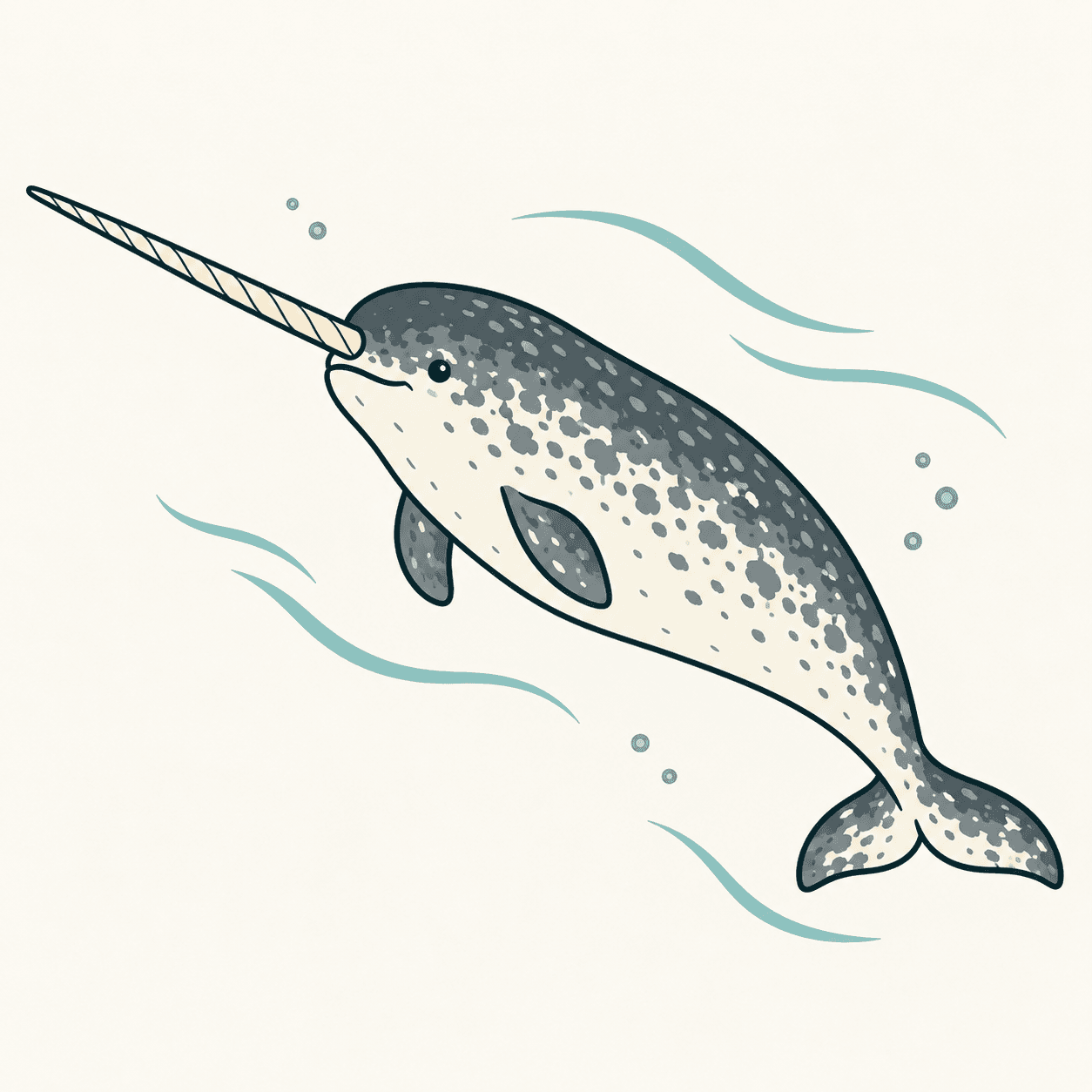
The Arctic’s most famous tusk grows from the upper jaw: its anatomy is clear, while its functions raise further questions.
Read the full story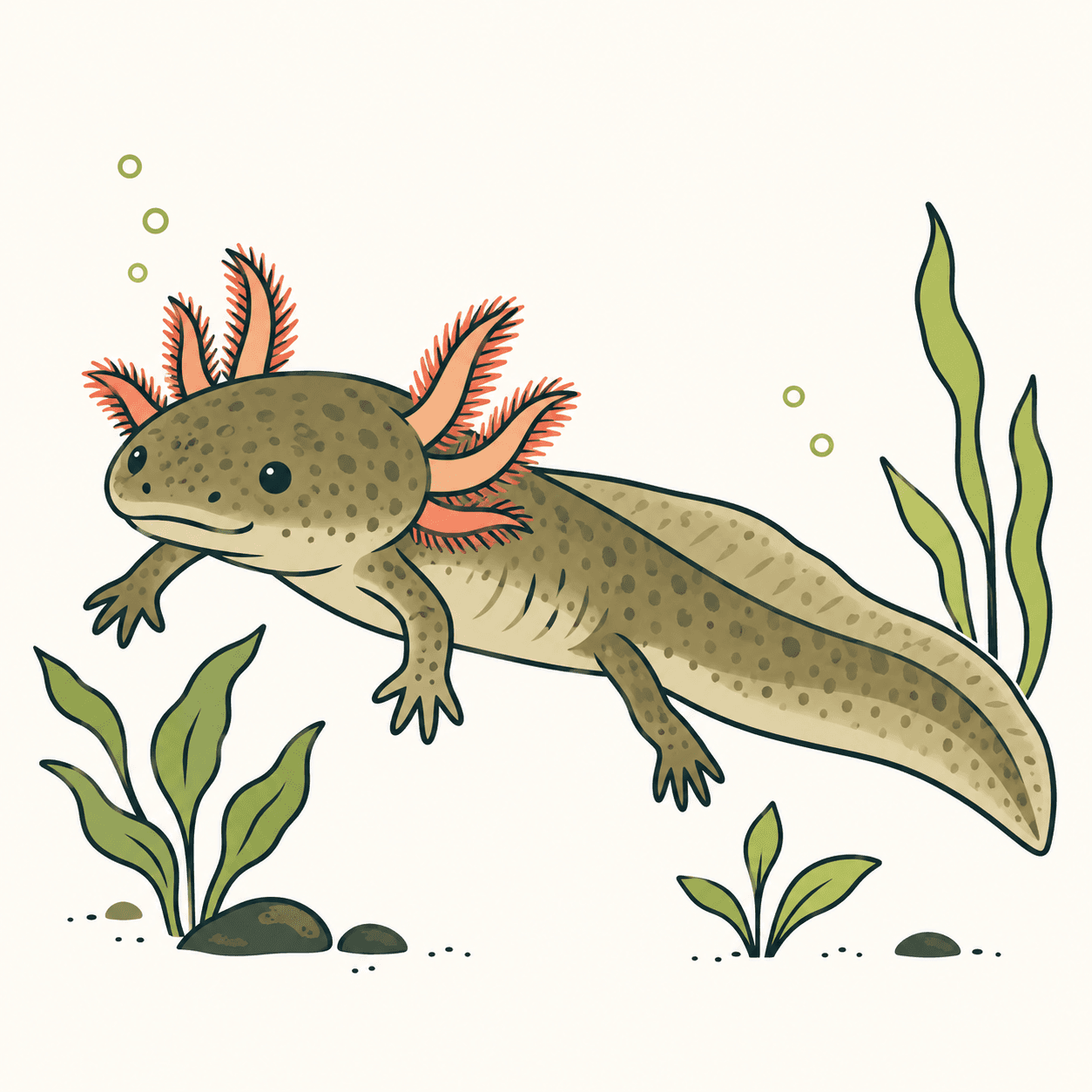
This salamander retains juvenile features and remains aquatic: the feathery structures beside its head offer a clue to its development.
Read the full story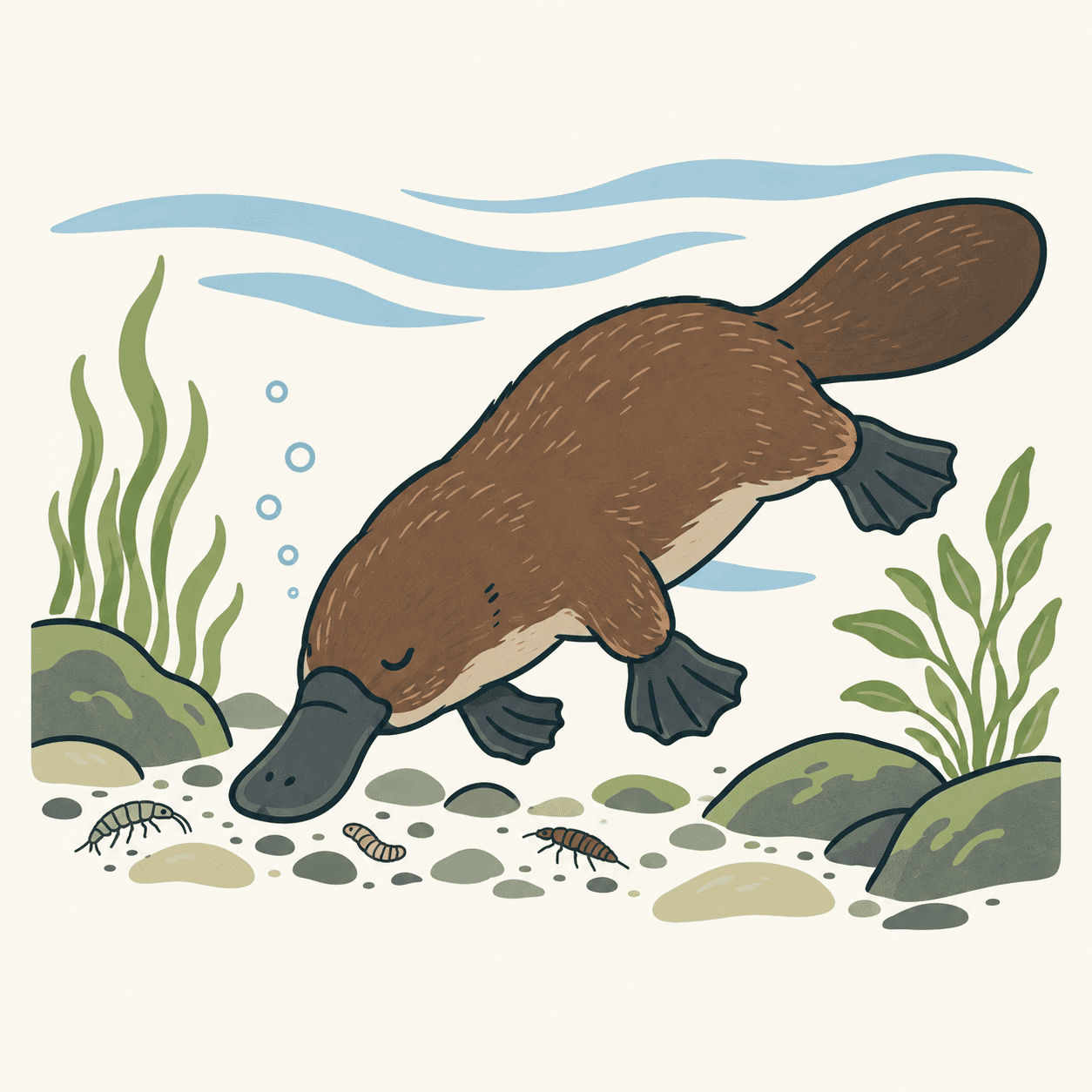
A platypus closes its eyes while searching underwater: its bill gathers electrical and mechanical information about the small animals it eats.
Read the full story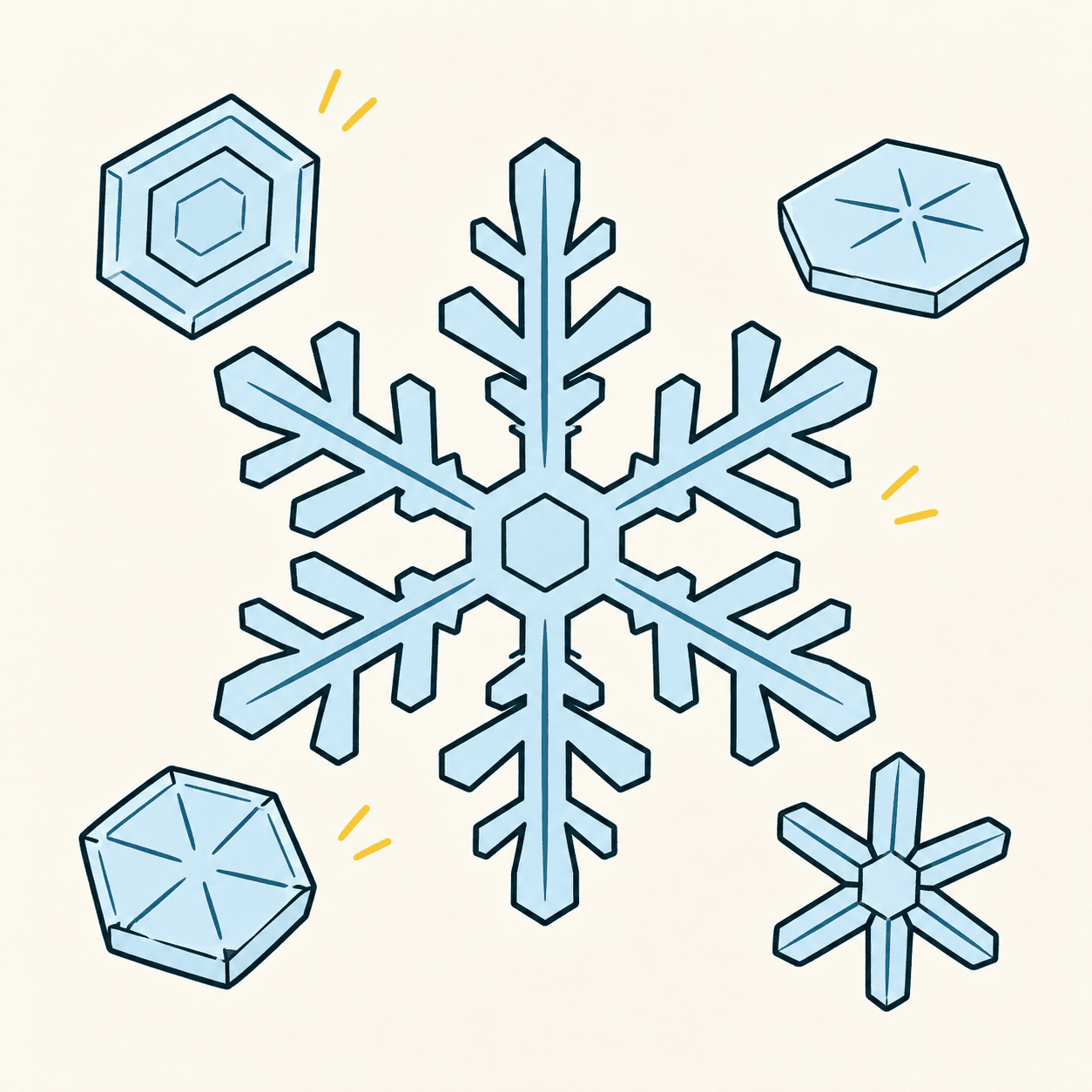
The structure of ice helps explain the symmetry; temperature and humidity influence the pattern as a crystal grows during its journey.
Read the full story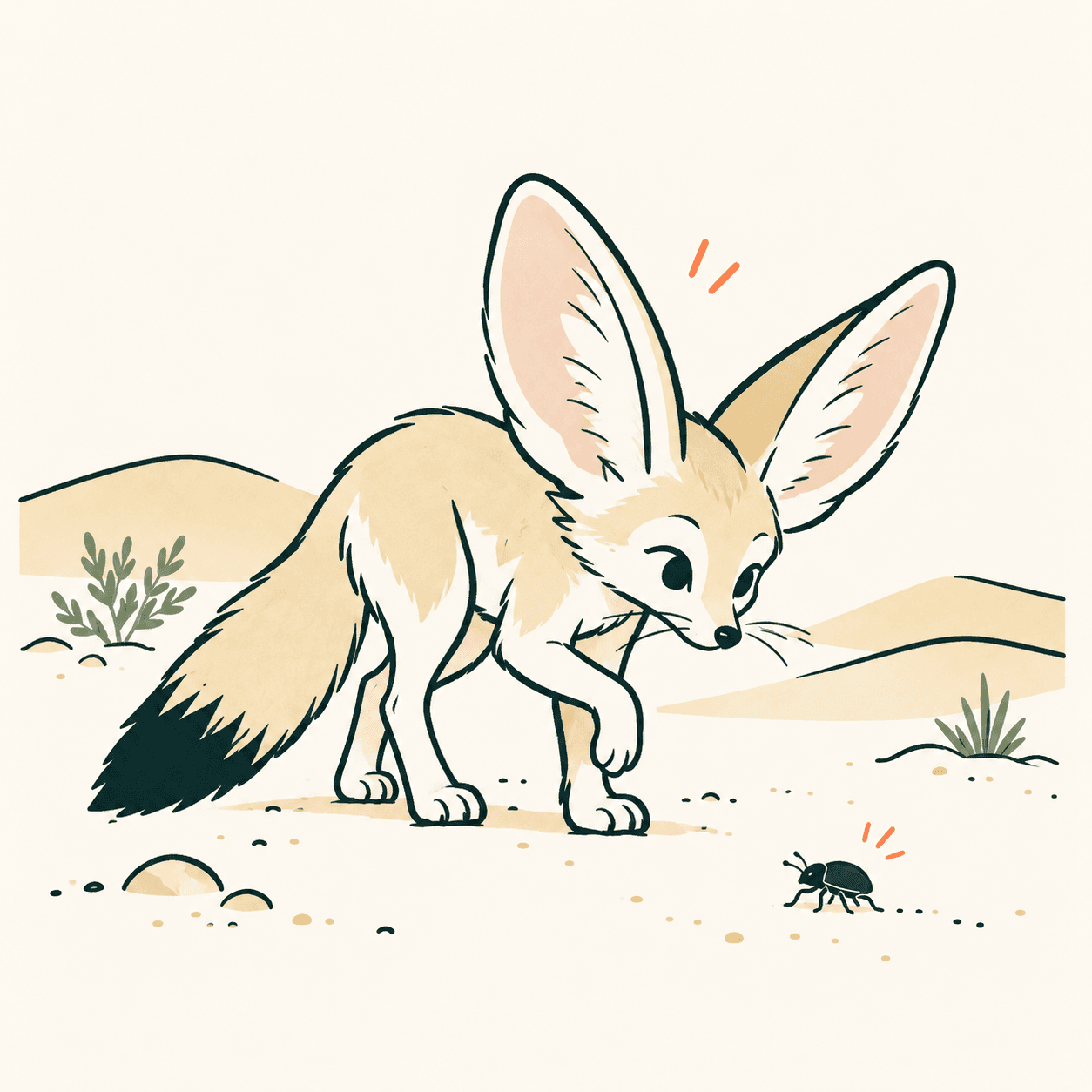
In the desert, this small fox’s large ears help it find food and release heat. An unusual shape can have several uses.
Read the full story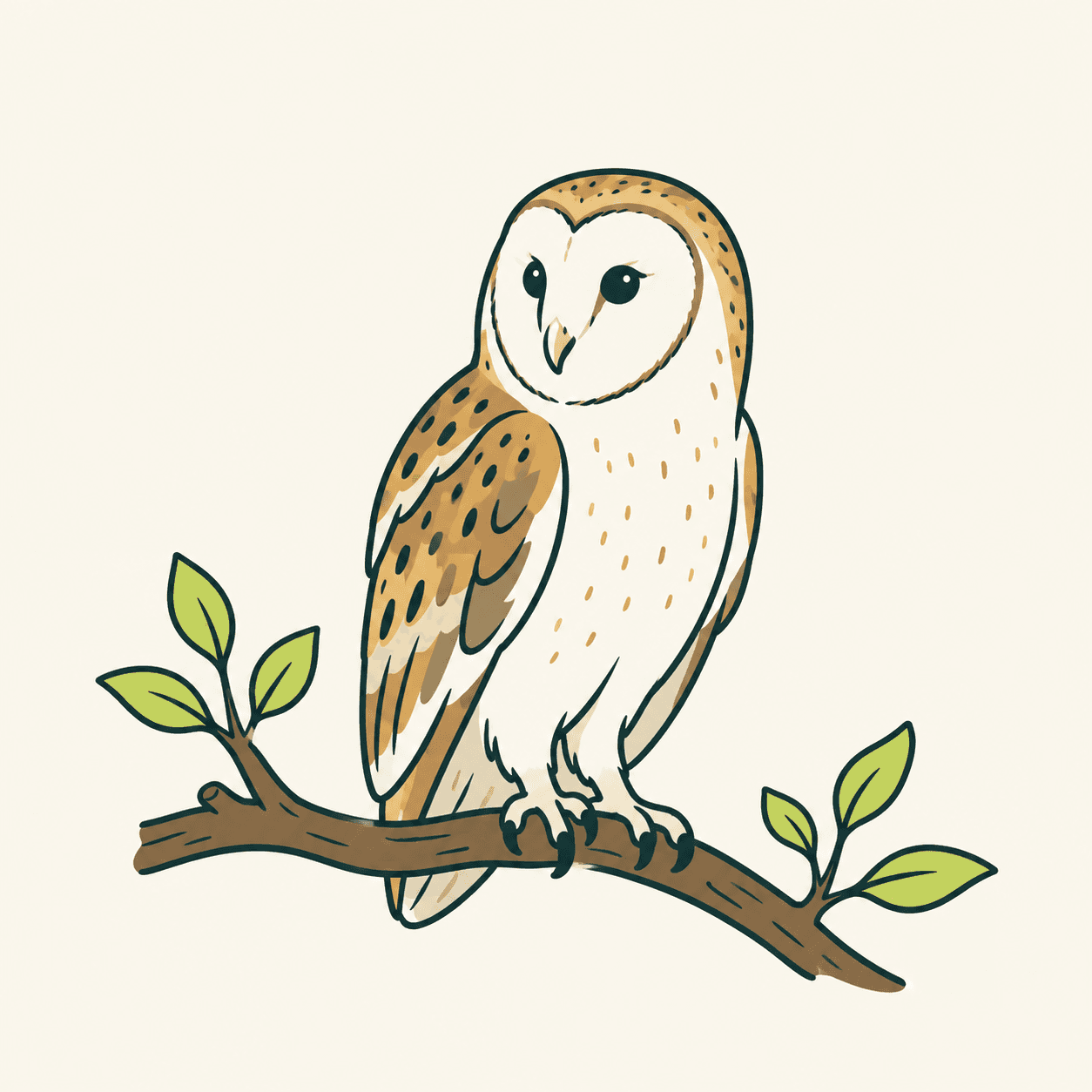
A head that seems to look almost everywhere relies on coordinated movements: feathers hide an important part of the mechanism.
Read the full story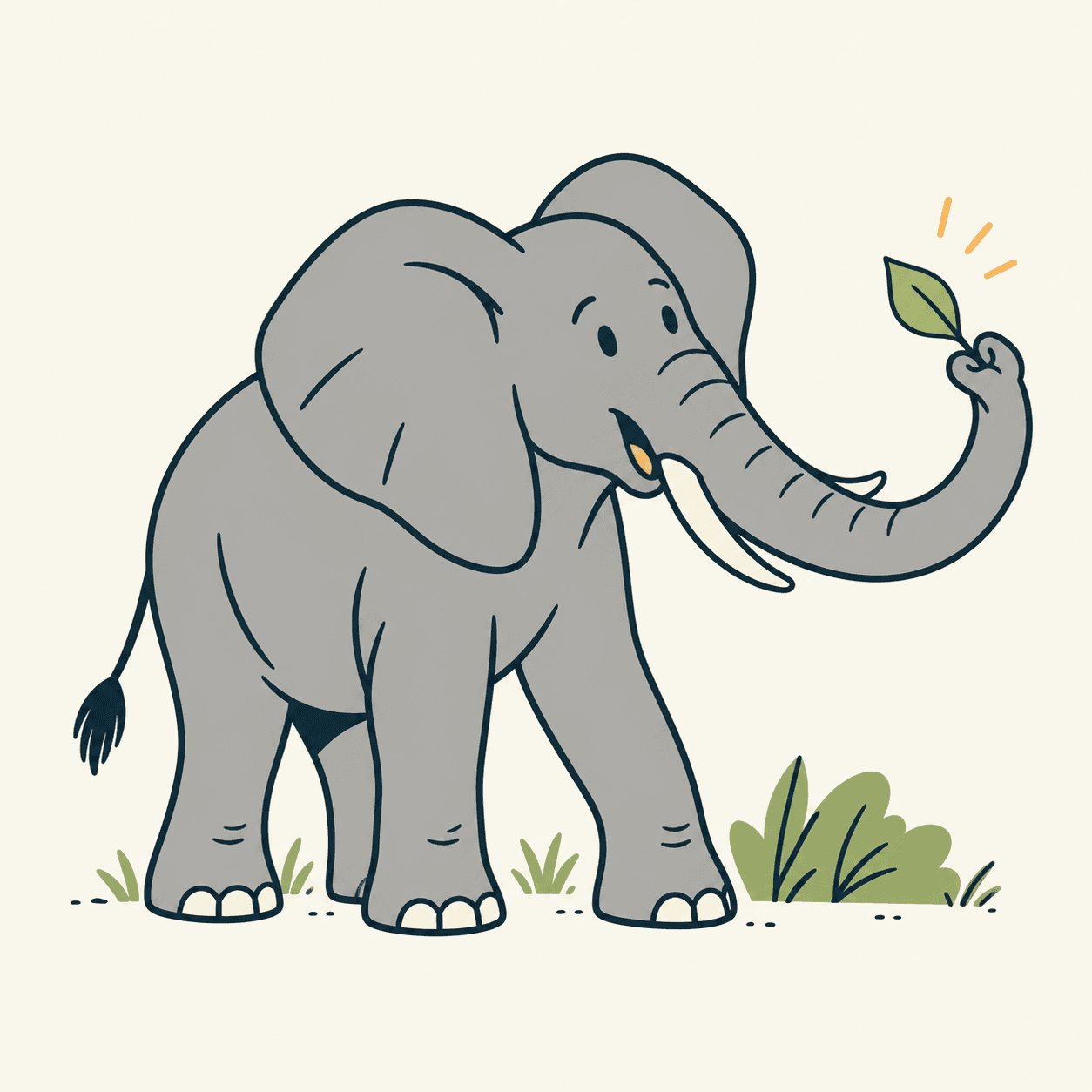
An elephant’s nose is also a tool for exploring: muscles and sensitivity allow powerful movements alongside surprisingly delicate ones.
Read the full story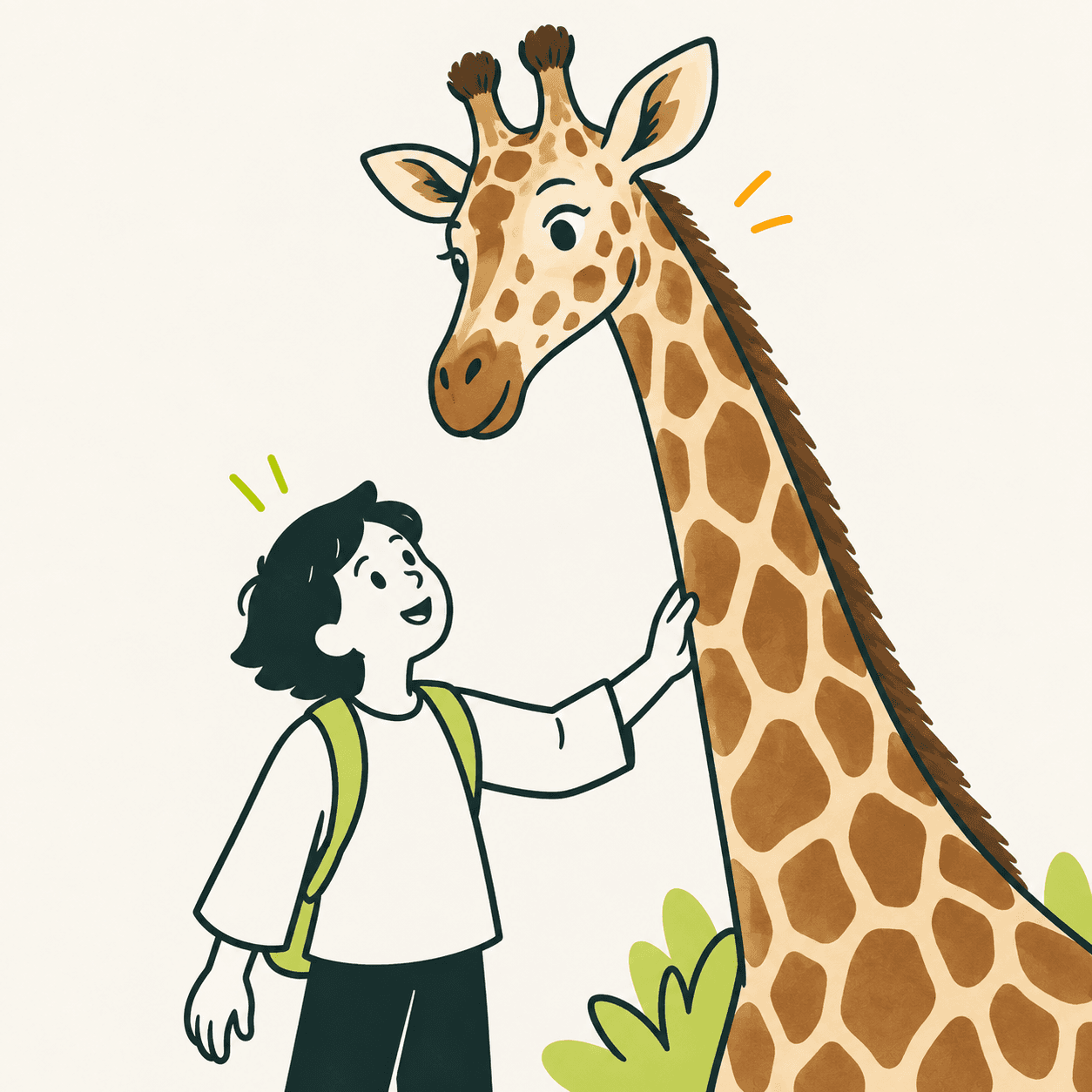
Giraffes have seven neck vertebrae too: counting the parts and measuring them are different ways to understand a body.
Read the full story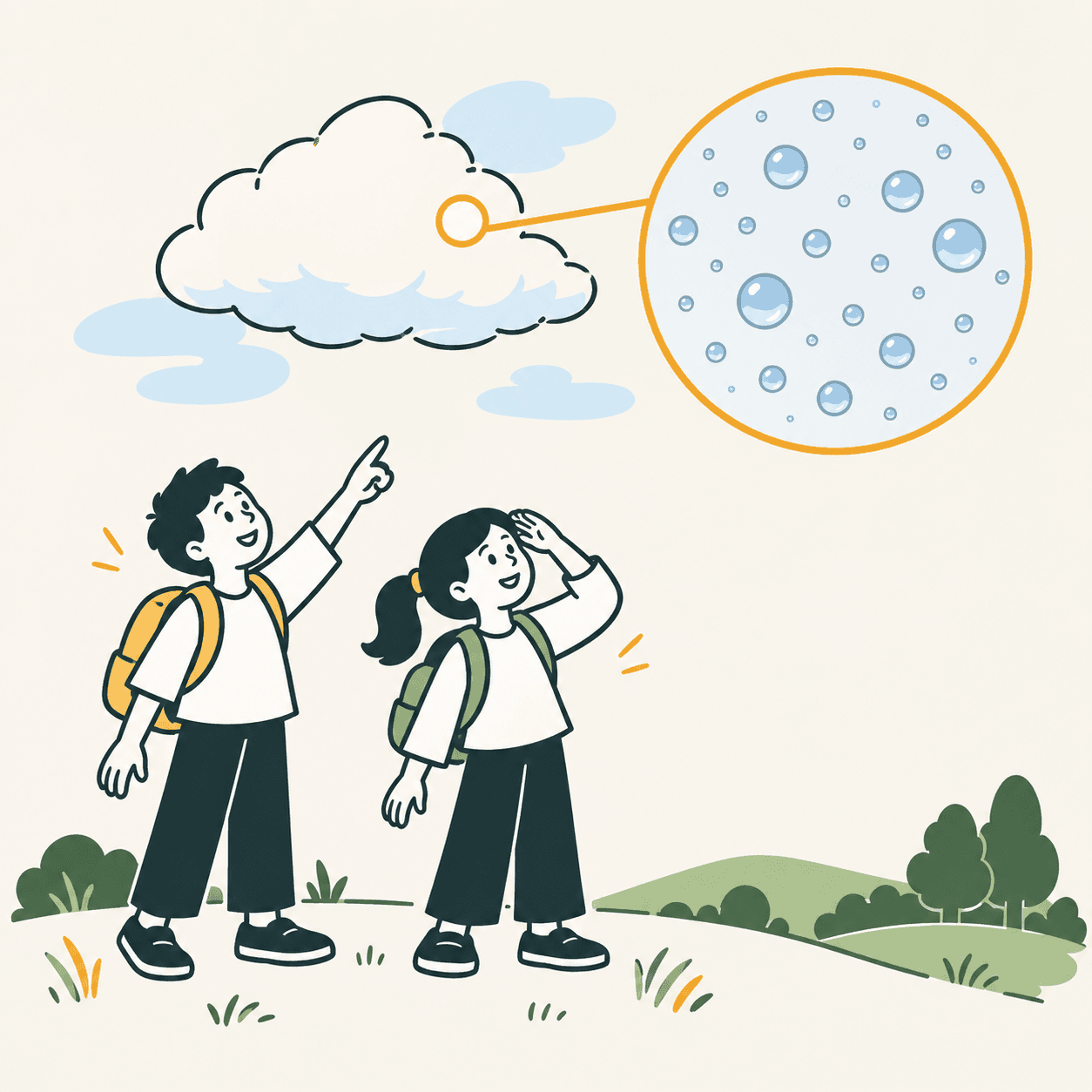
Water vapour is invisible. The visible part of a cloud contains tiny water droplets, ice crystals or a mixture of both.
Read the full story
Sunlight, droplets and our viewing position produce the arc. The ground often hides the rest of this surprising optical phenomenon.
Read the full story
Air changes the direction of some sunlight. Understanding which colours it scatters also helps us make sense of a sunset.
Read the full story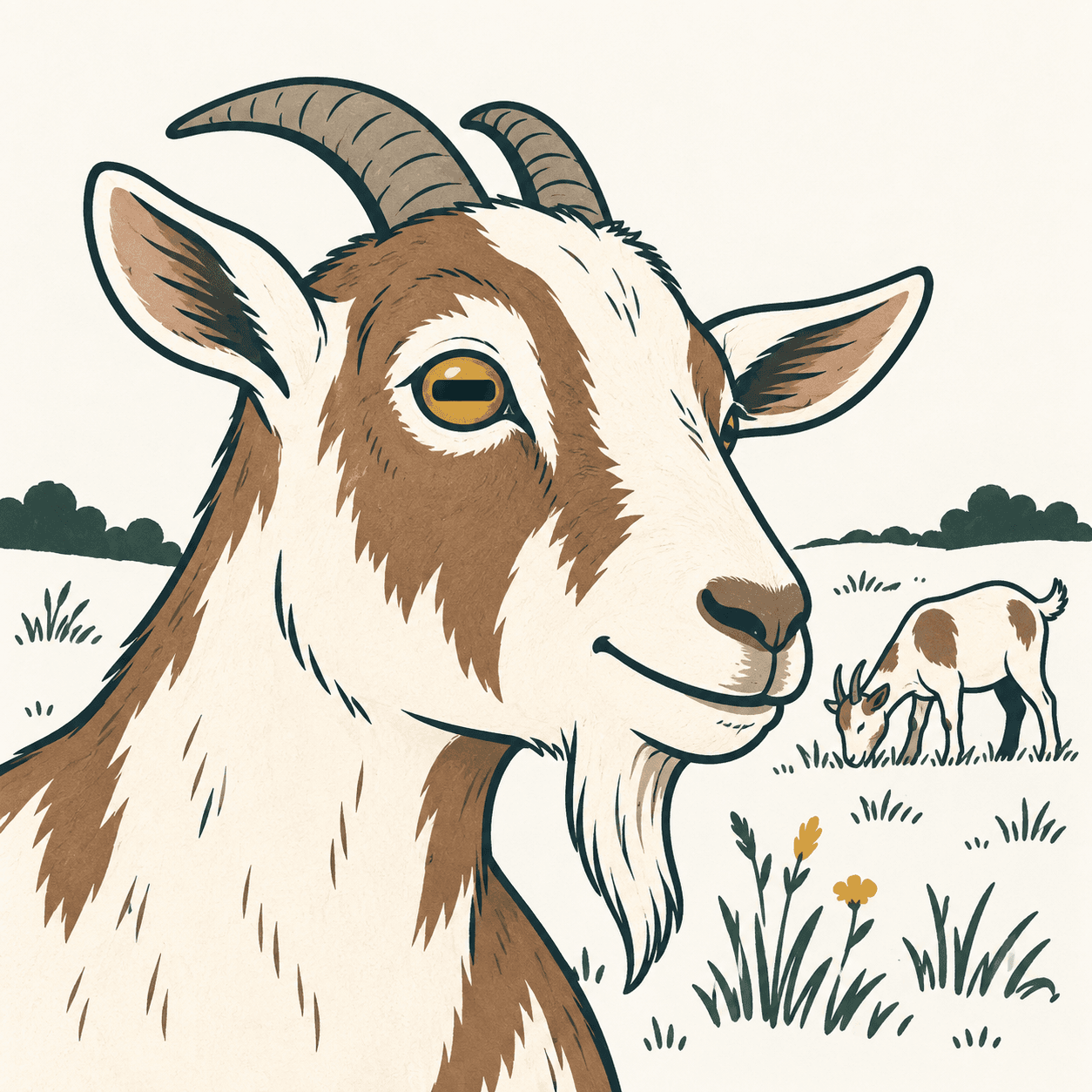
An elongated pupil and rotating eyes help goats watch the ground, including when they lower their heads to feed.
Read the full story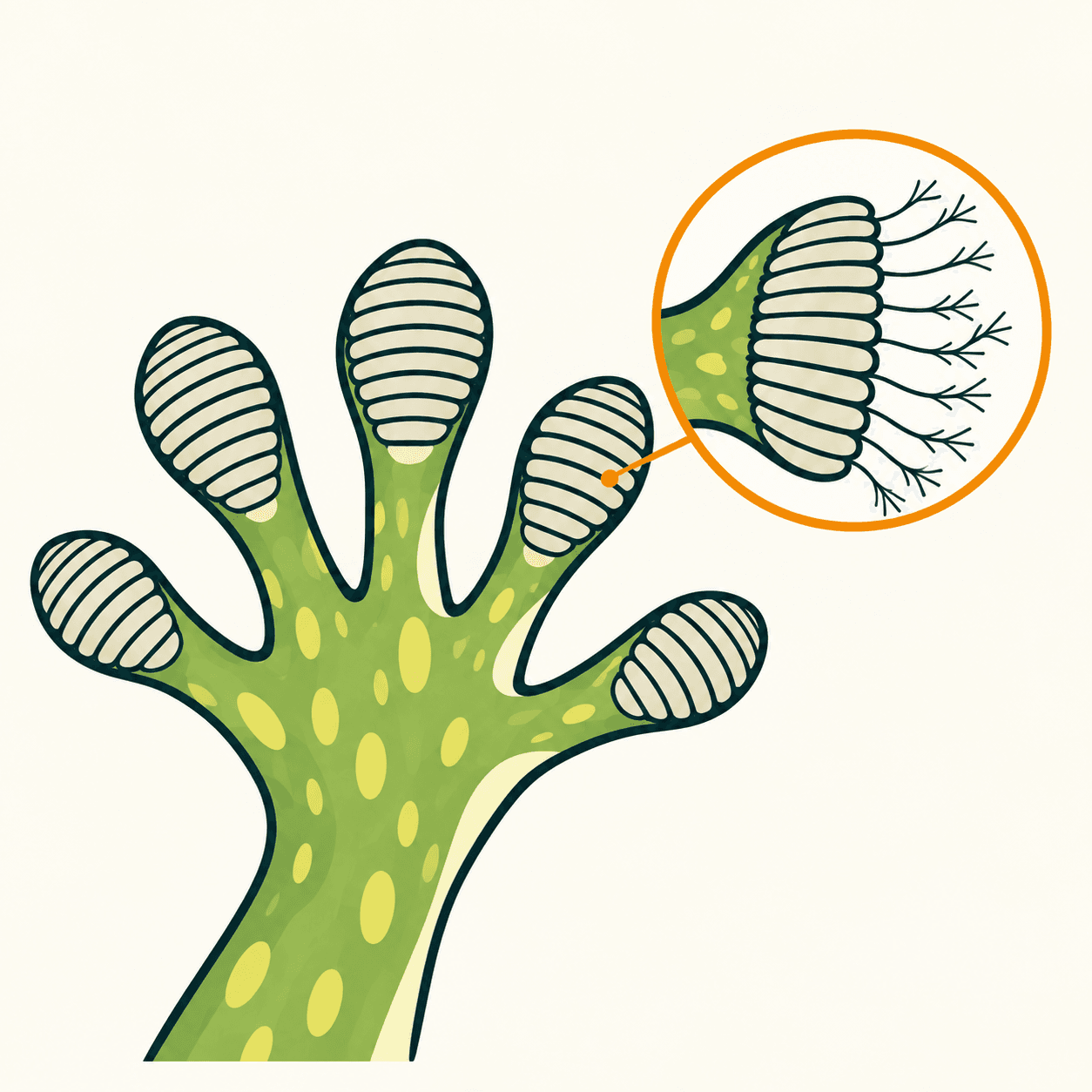
To understand a foot gripping a wall, we need to change scale: the crucial structures are much smaller than we can see.
Read the full story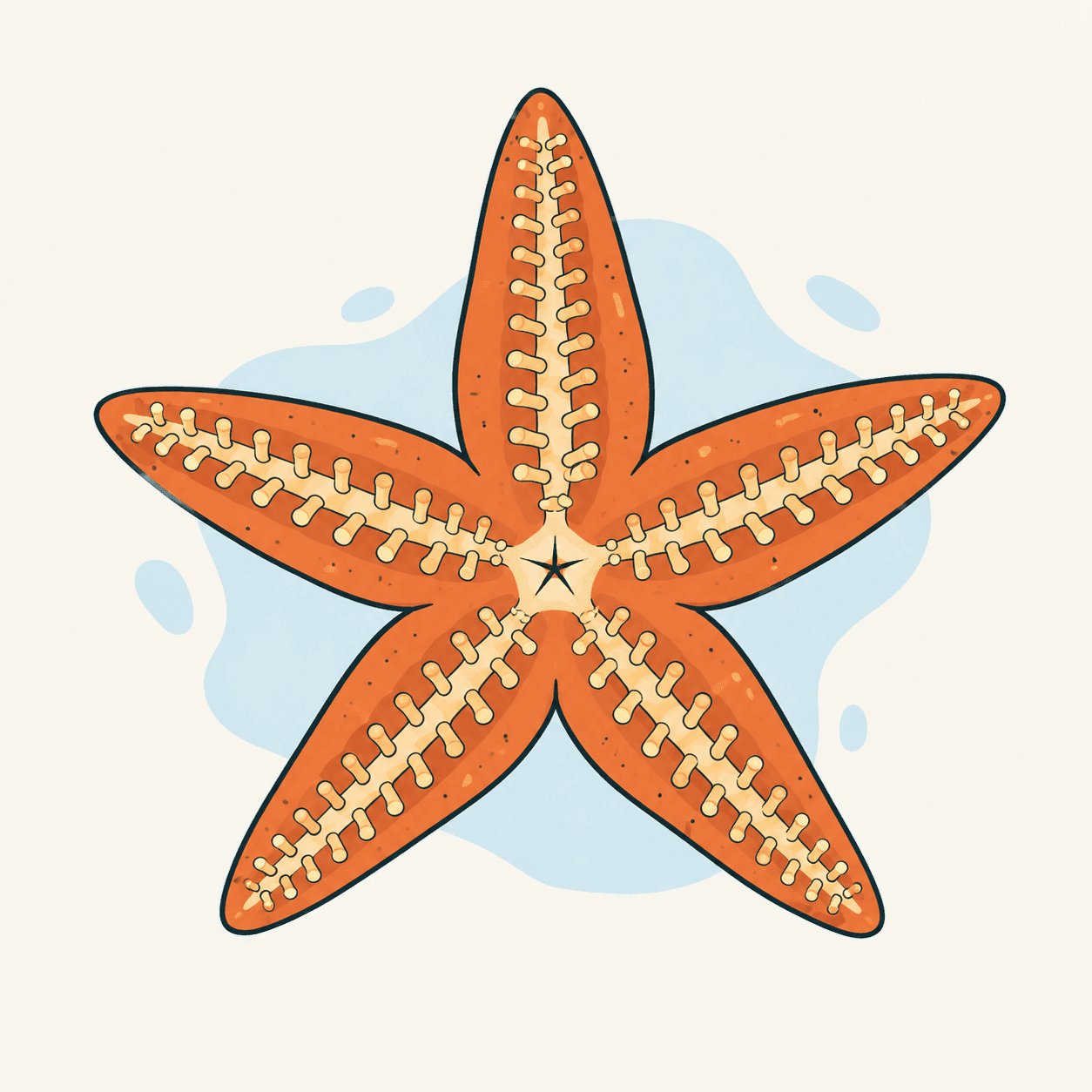
Small moving tubes work beneath the sea’s most familiar star shape, revealing a very different way of travelling.
Read the full story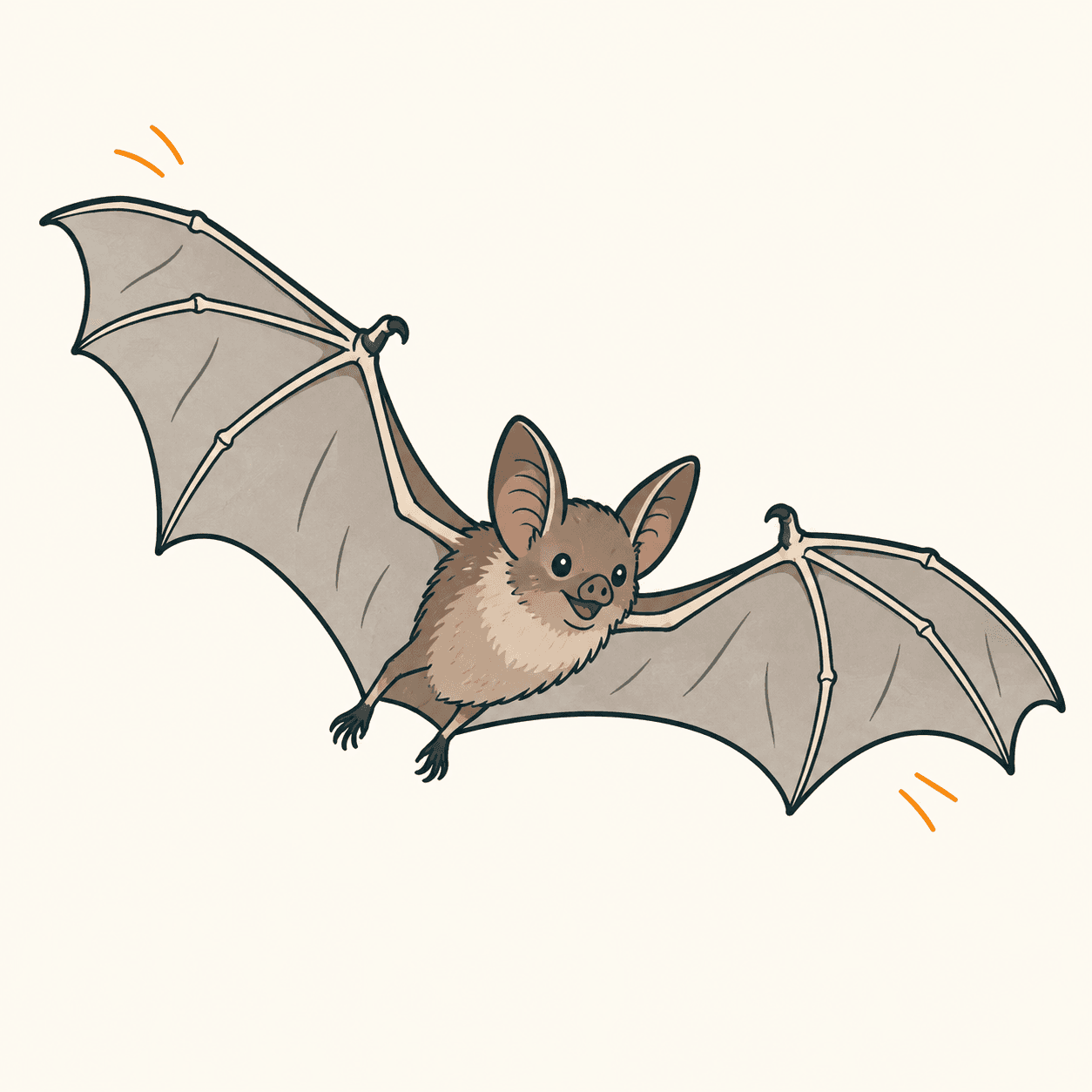
Bat wings are transformed forelimbs: elongated fingers support a membrane, while the thumb stays free. Familiar parts, remarkable proportions.
Read the full story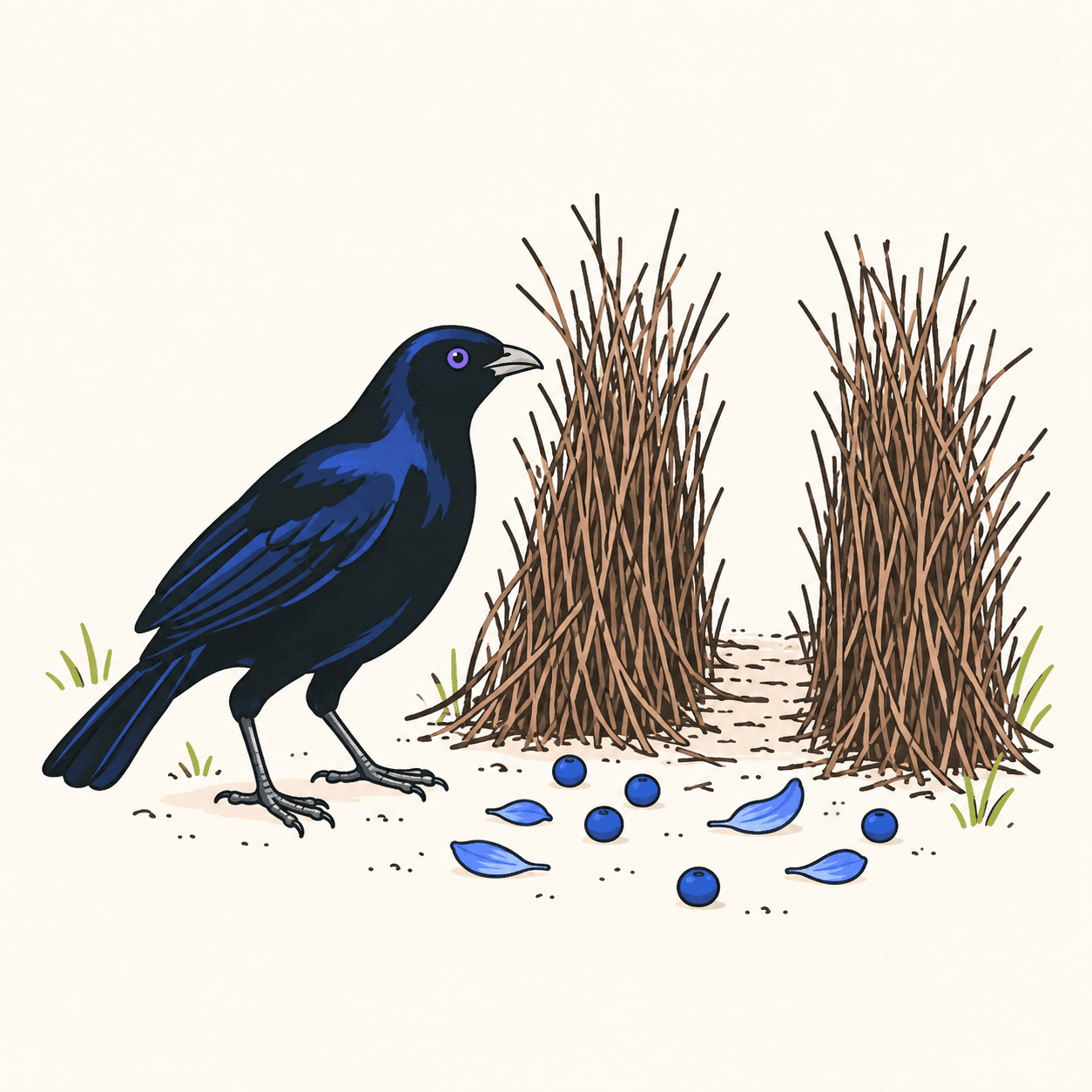
A structure of twigs and blue objects looks like a tiny home, but it is for courtship: the nest is elsewhere.
Read the full story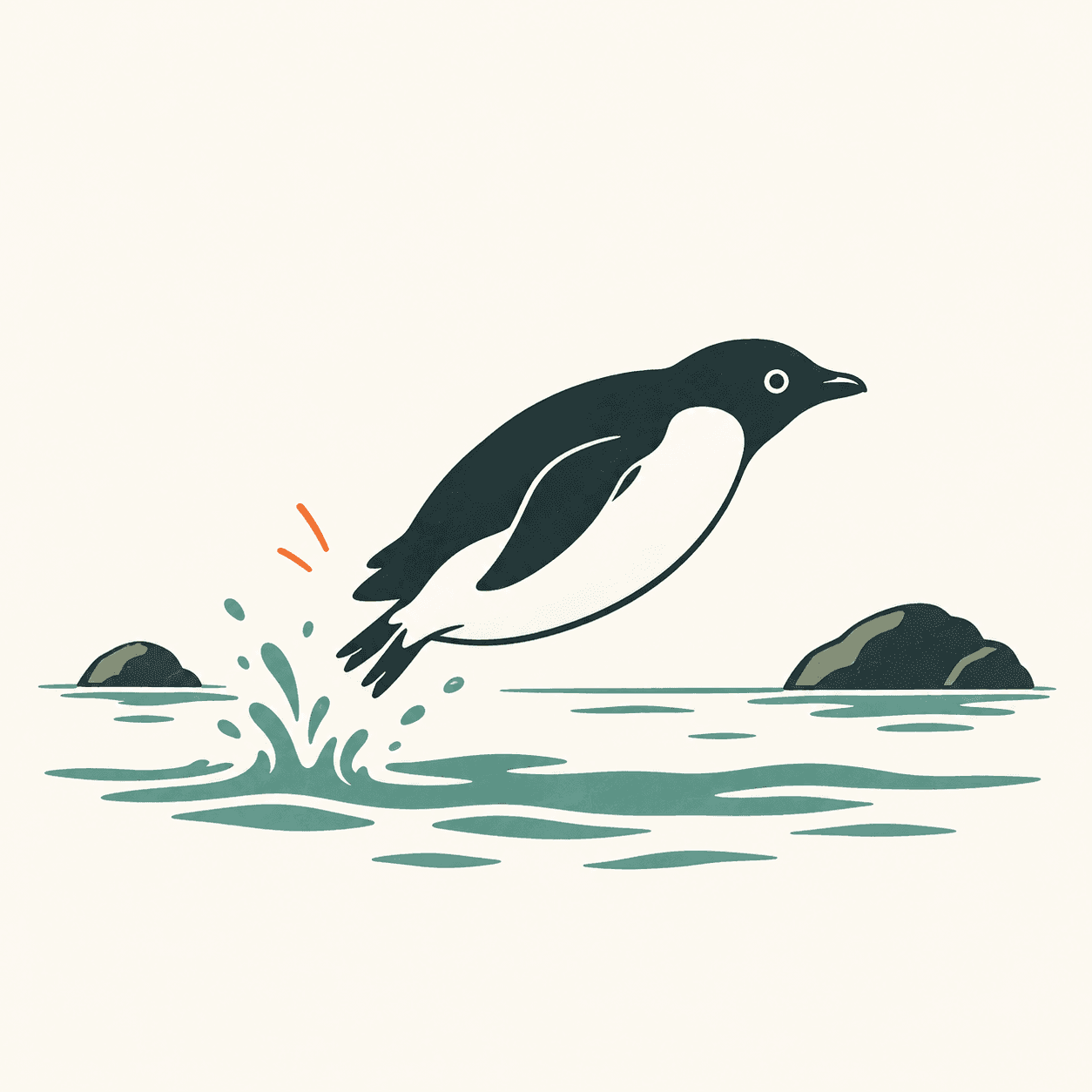
Porpoising alternates water and air, allowing breathing during travel, but the behaviour is not shared equally by every penguin species.
Read the full story
Experiments with American crows reveal face recognition and social learning: sometimes a reputation can travel through the branches.
Read the full story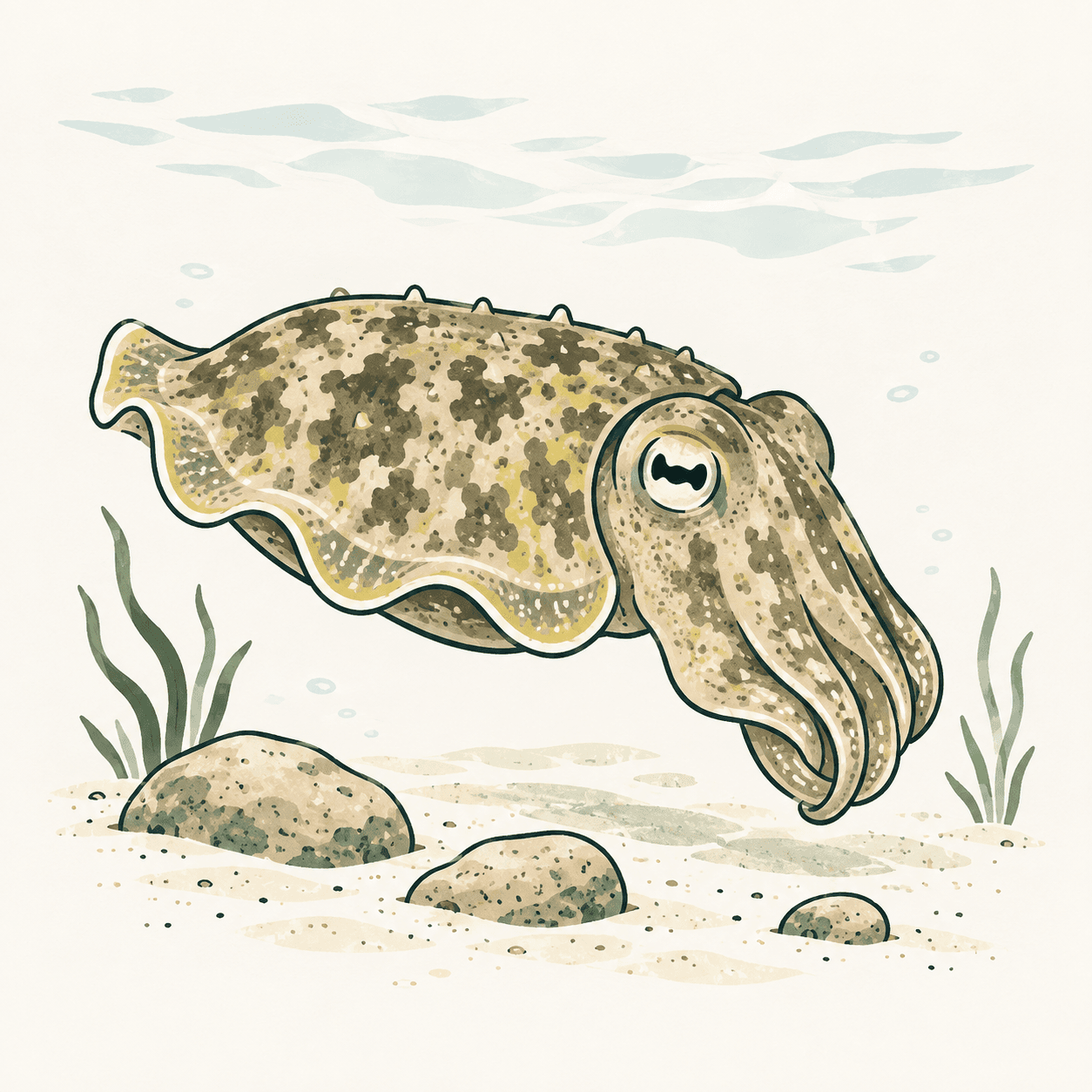
The common cuttlefish does more than adjust its colours: it can raise small bumps and change its skin’s surface texture.
Read the full story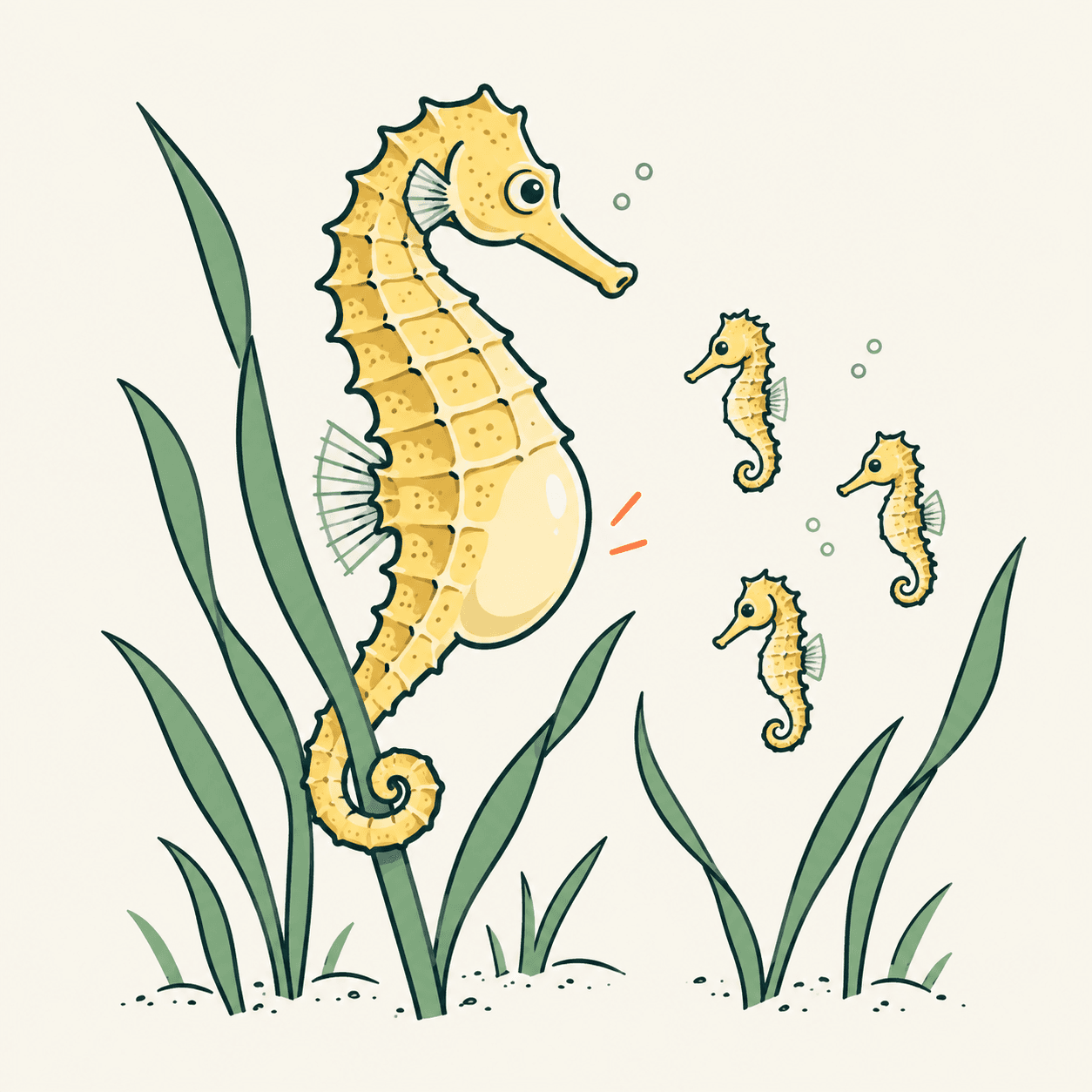
The female produces the eggs, but the male carries them in a brood pouch and gives birth to the young.
Read the full story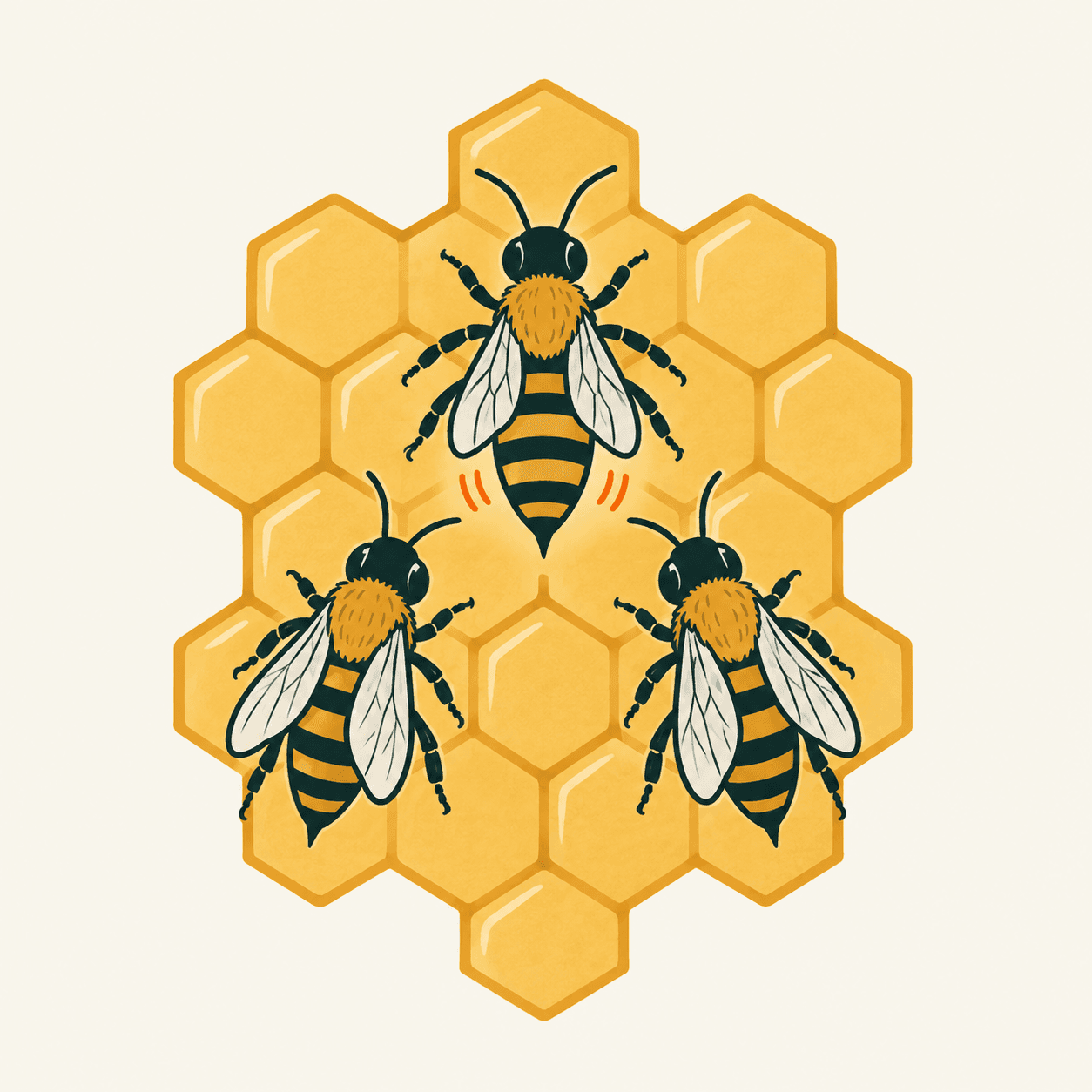
Inside the hive, a dance communicates the direction and distance of flowers: movement becomes useful information for the other bees.
Read the discovery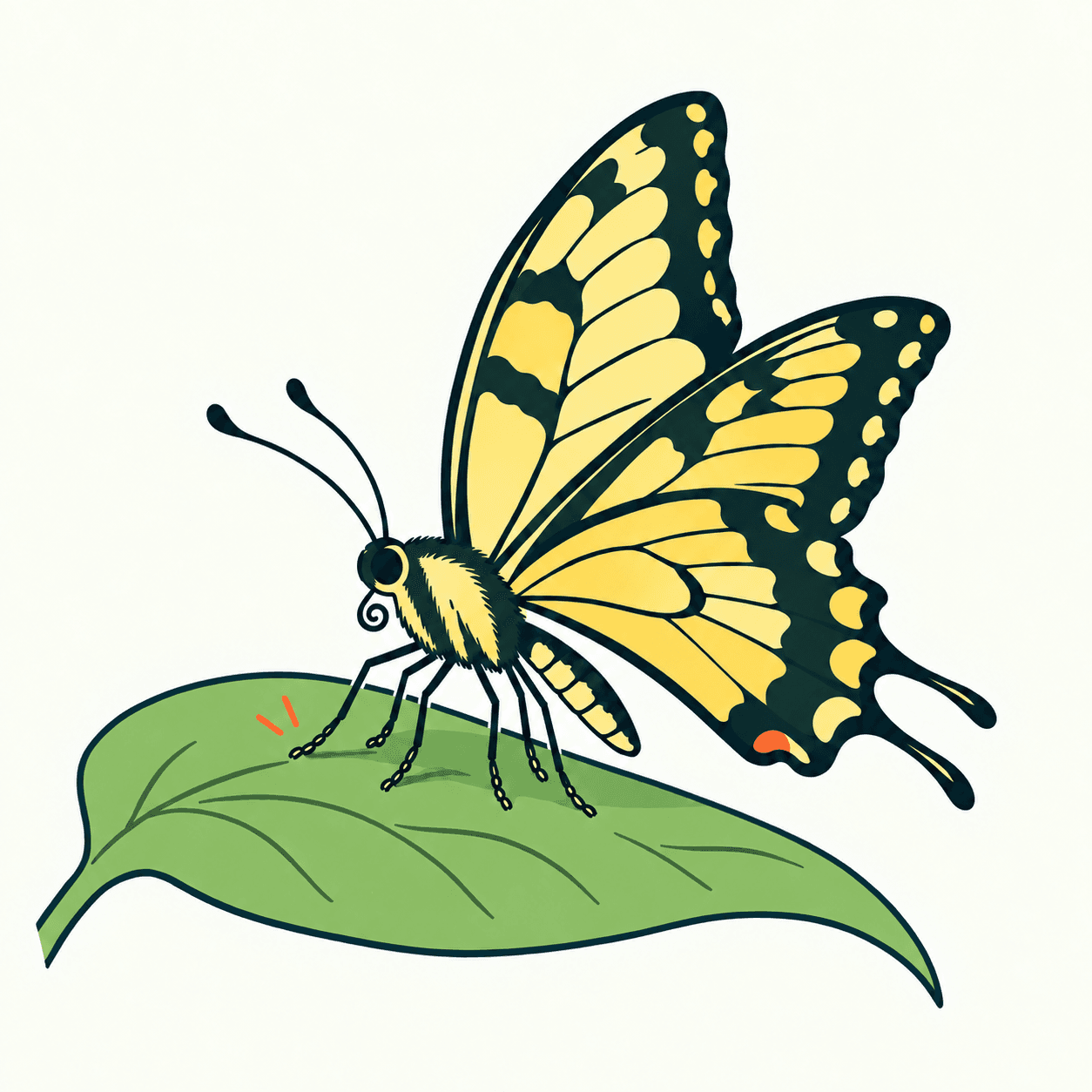
Receptors on their feet help butterflies recognise what they land on, including when choosing a plant for their eggs.
Read the discovery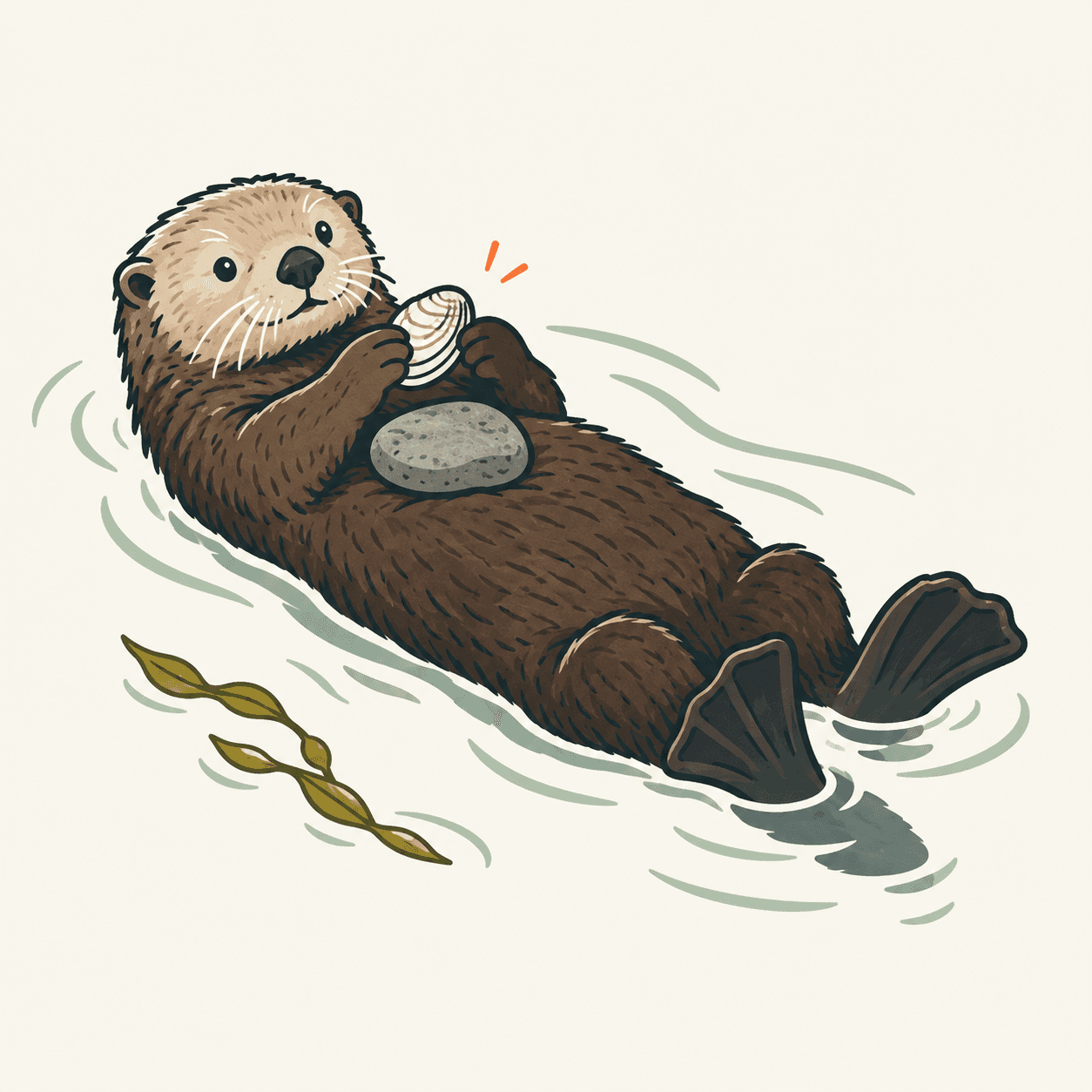
Stones and shells become tools for opening prey: sea otters have different habits, influenced partly by what they eat.
Read the discovery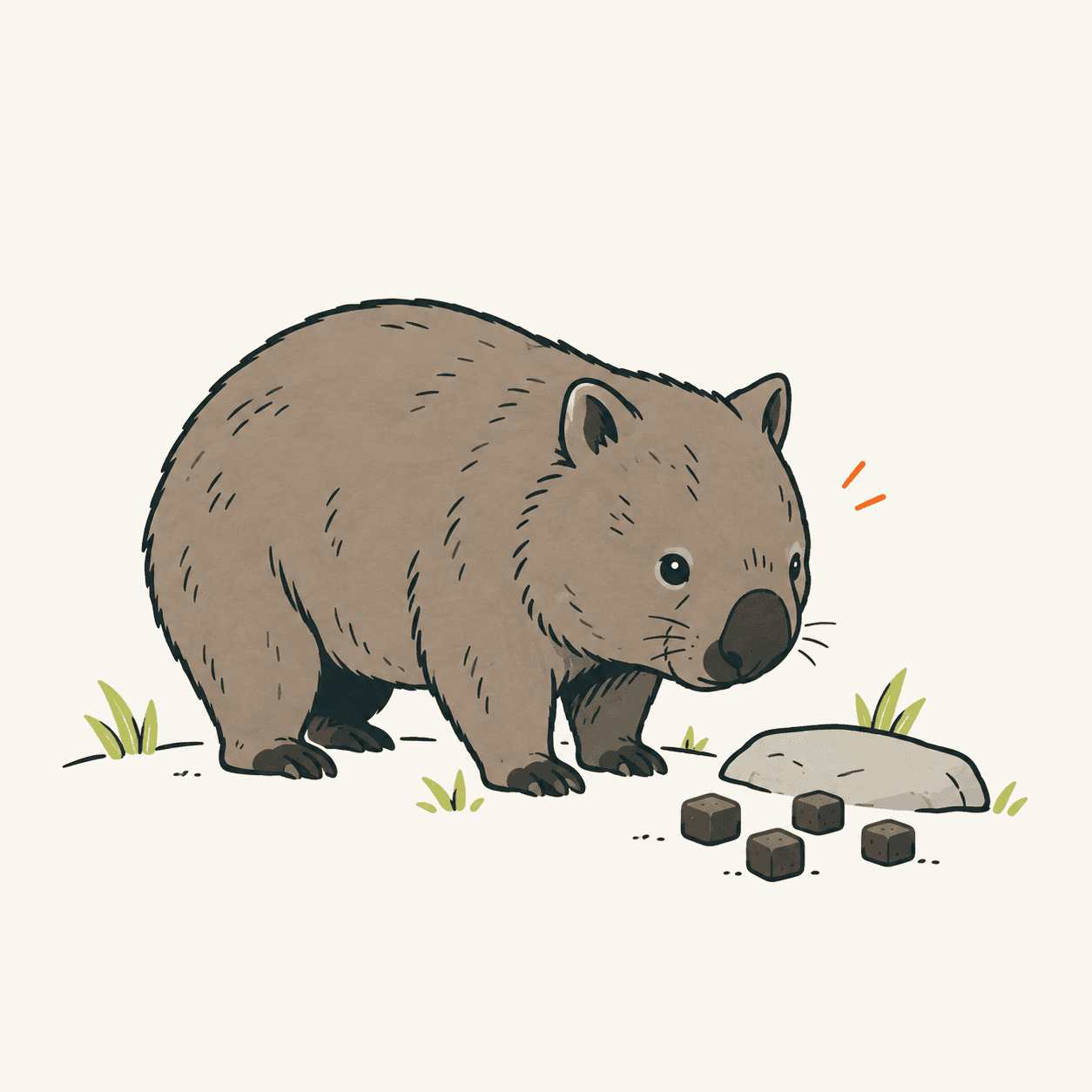
An Australian marsupial produces cube-shaped droppings: research into its intestine explains the corners, while other details remain open to investigation.
Read the discovery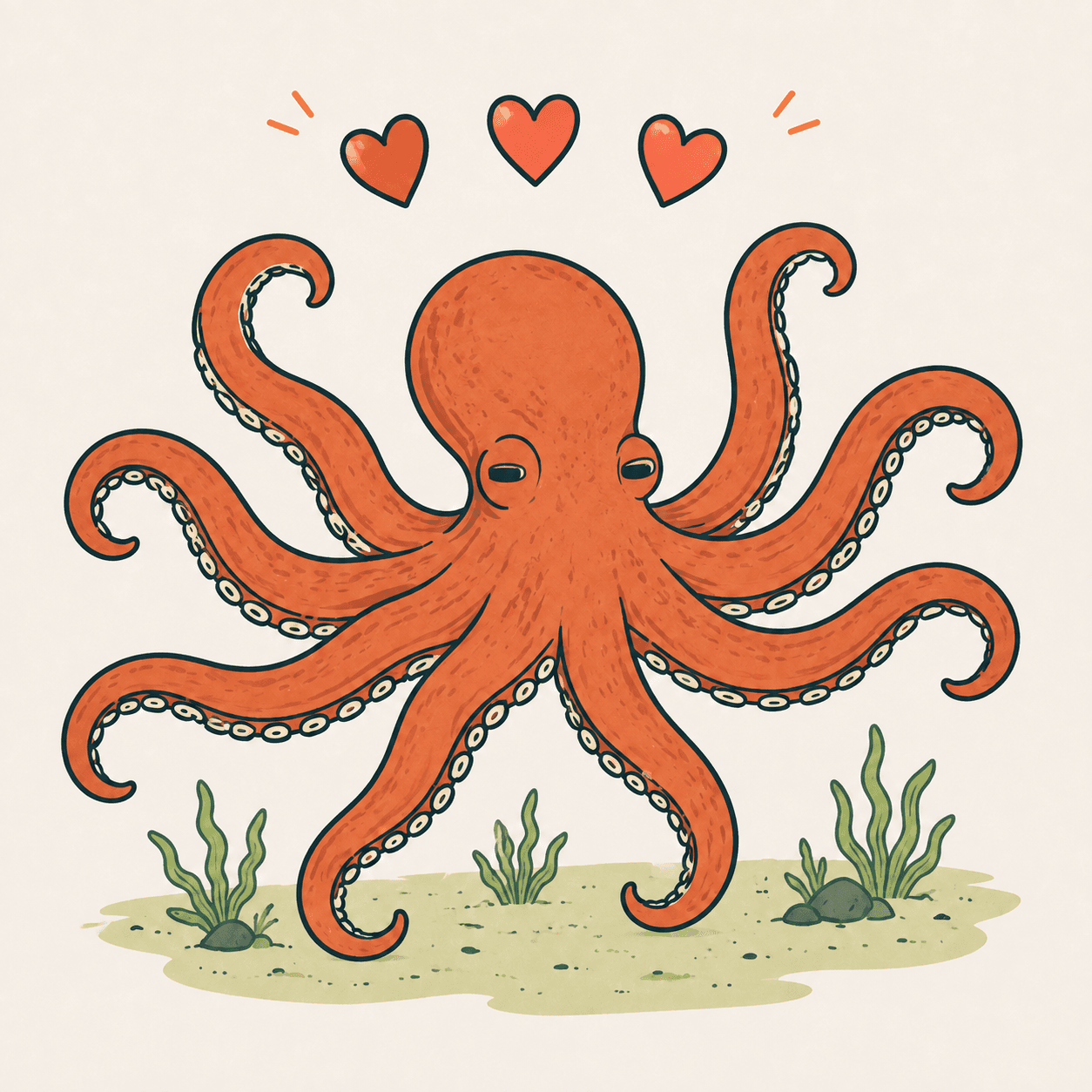
Two hearts serve the gills and one serves the rest of the body: underwater, circulation comes with a division of labour.
Read the discovery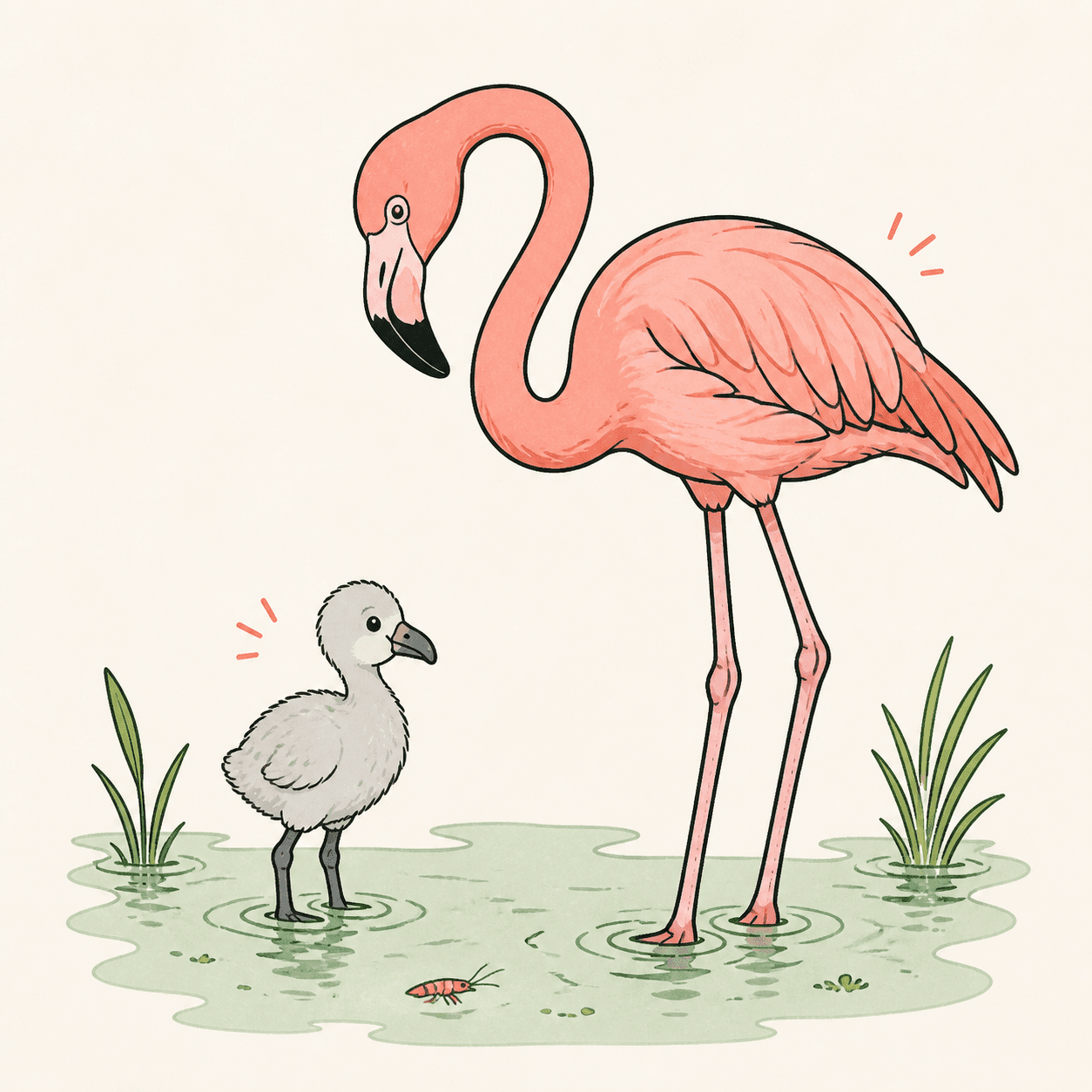
Chicks start out grey. Adults get their colour from pigments in their food: biology has a palette of its own.
Read the discoveryIllustrated reads with verifiable sources. Original illustrations made with AI assistance.