01Plants
Latest discovery ·
Papyrus: before the sheet, a water-loving plant
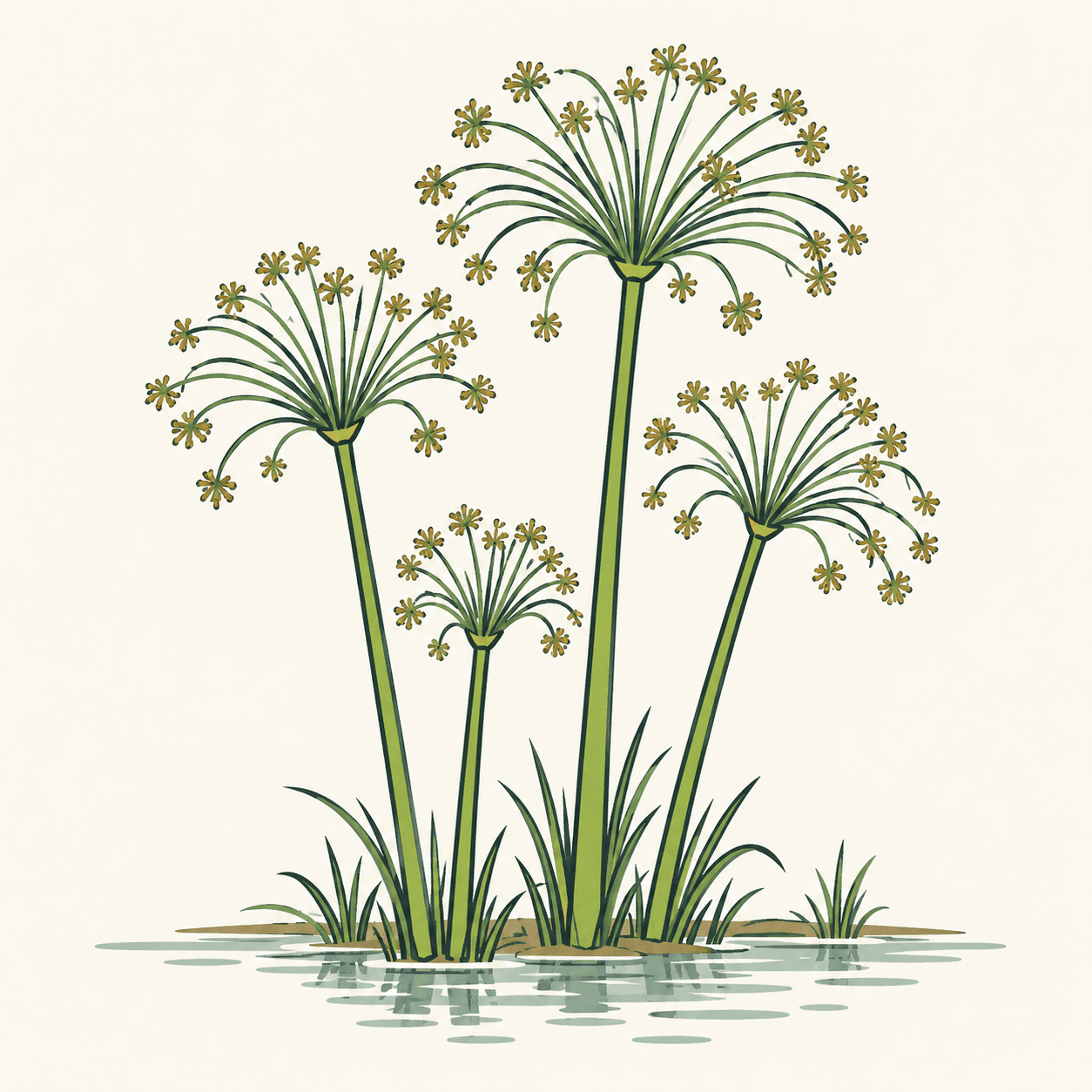
Cyperus papyrus connects a recognisable botanical shape with a writing material: the crucial transformation begins inside the plant’s stem.
Read the full storyLeaves, roots and small wonders. Getting to know the green world beyond the windowsill.
27 results
Newest firstLatest discovery ·
Cyperus papyrus connects a recognisable botanical shape with a writing material: the crucial transformation begins inside the plant’s stem.
Read the full story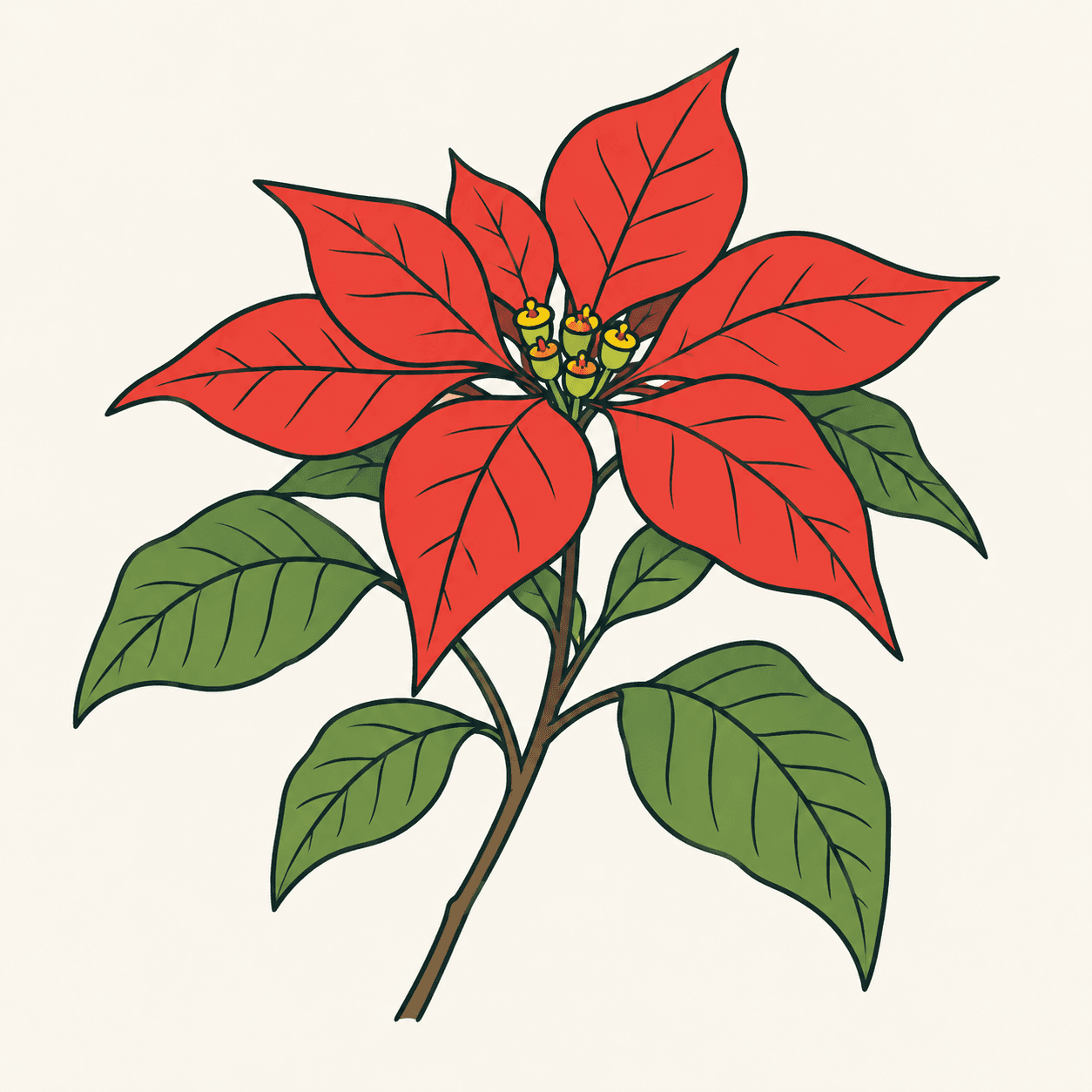
The most striking parts of Euphorbia pulcherrima are modified leaves: to find its flowers, look closely at the centre.
Read the full story
Ficus benghalensis spreads its crown with roots descending from branches: one tree can look like a small gathering of trunks.
Read the full story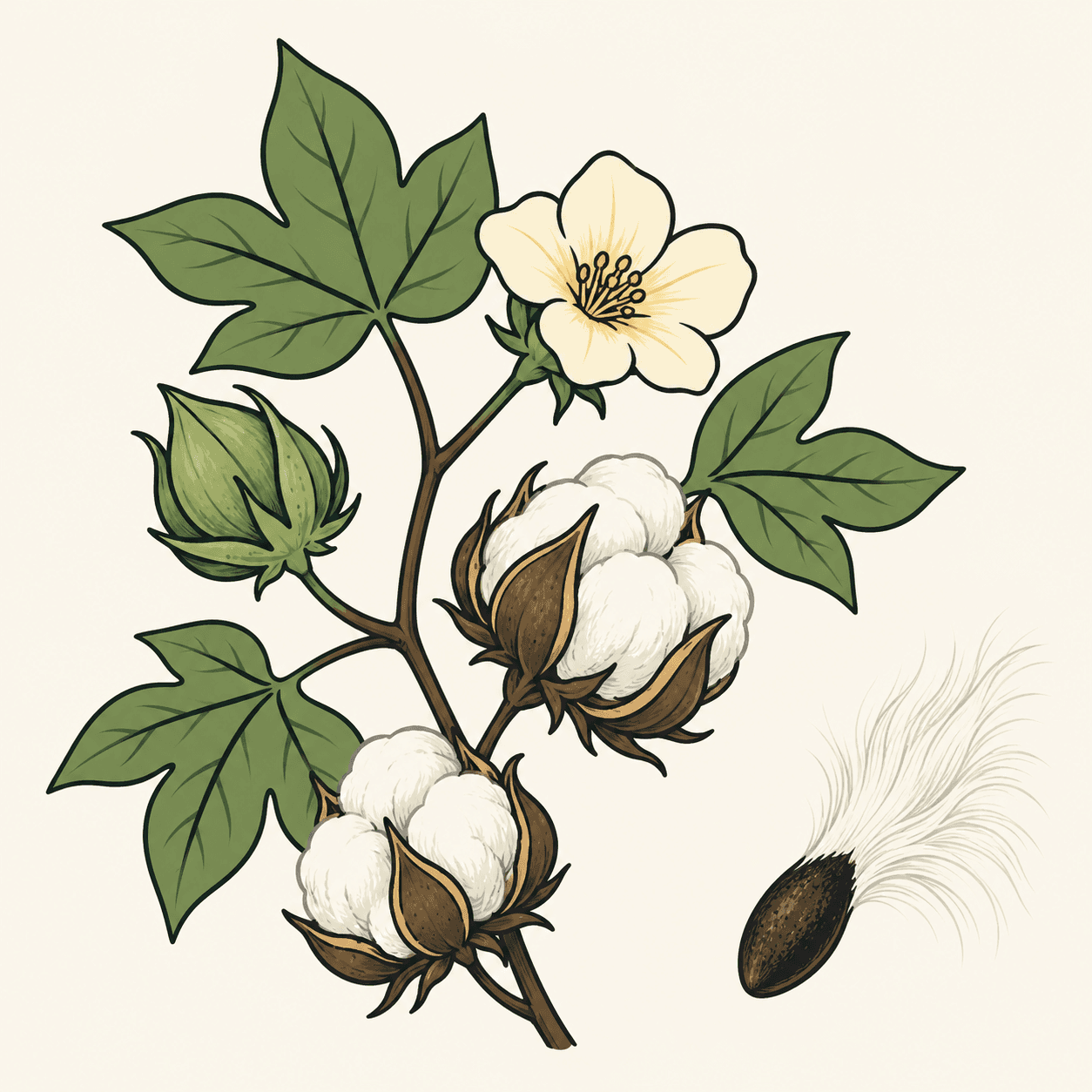
Gossypium hirsutum reveals a surprising connection: its familiar fibre grows on seeds inside a fruit that eventually opens.
Read the full story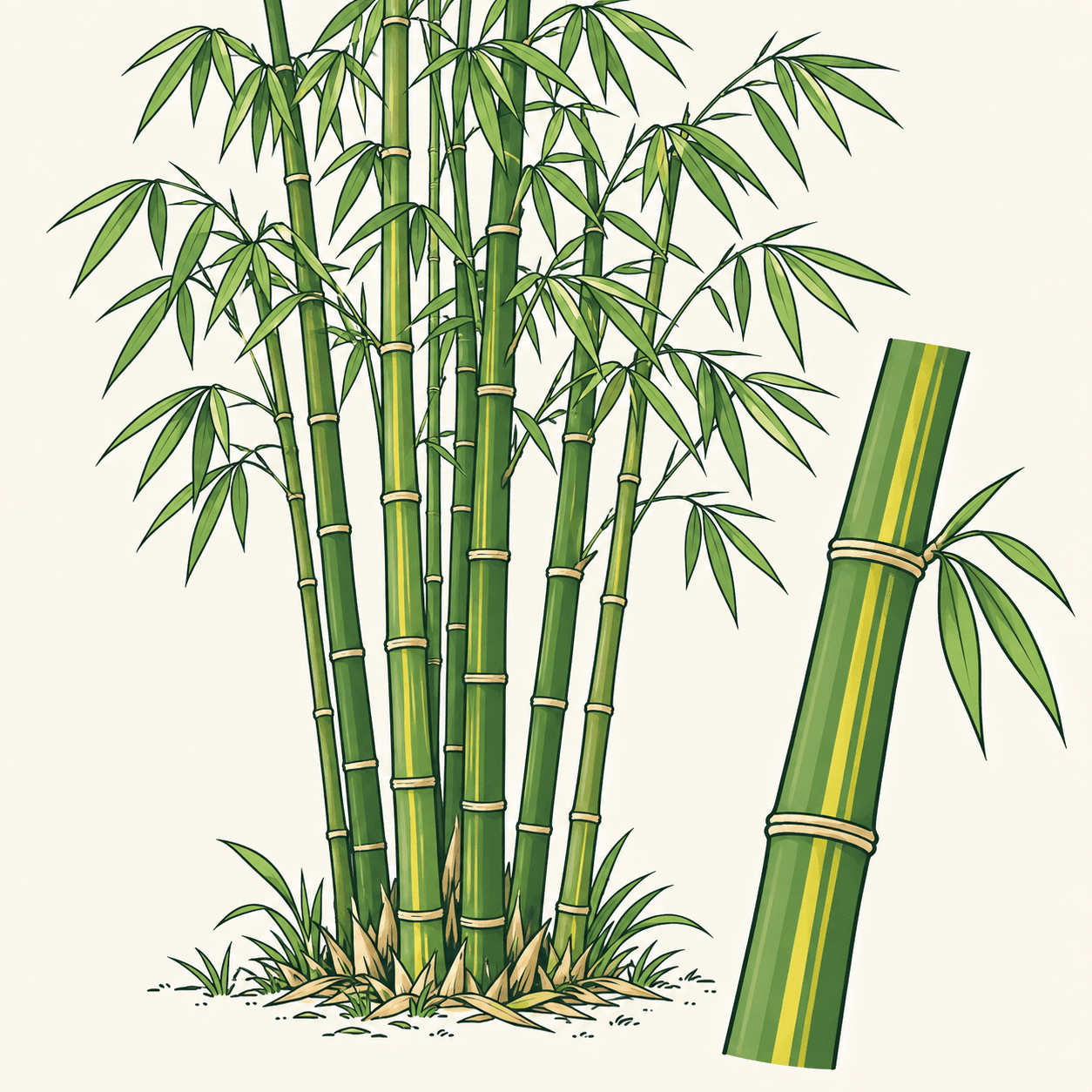
Gigantochloa verticillata has woody stems and pointed leaves: looking at bamboo teaches us to separate height from botanical relationships.
Read the full story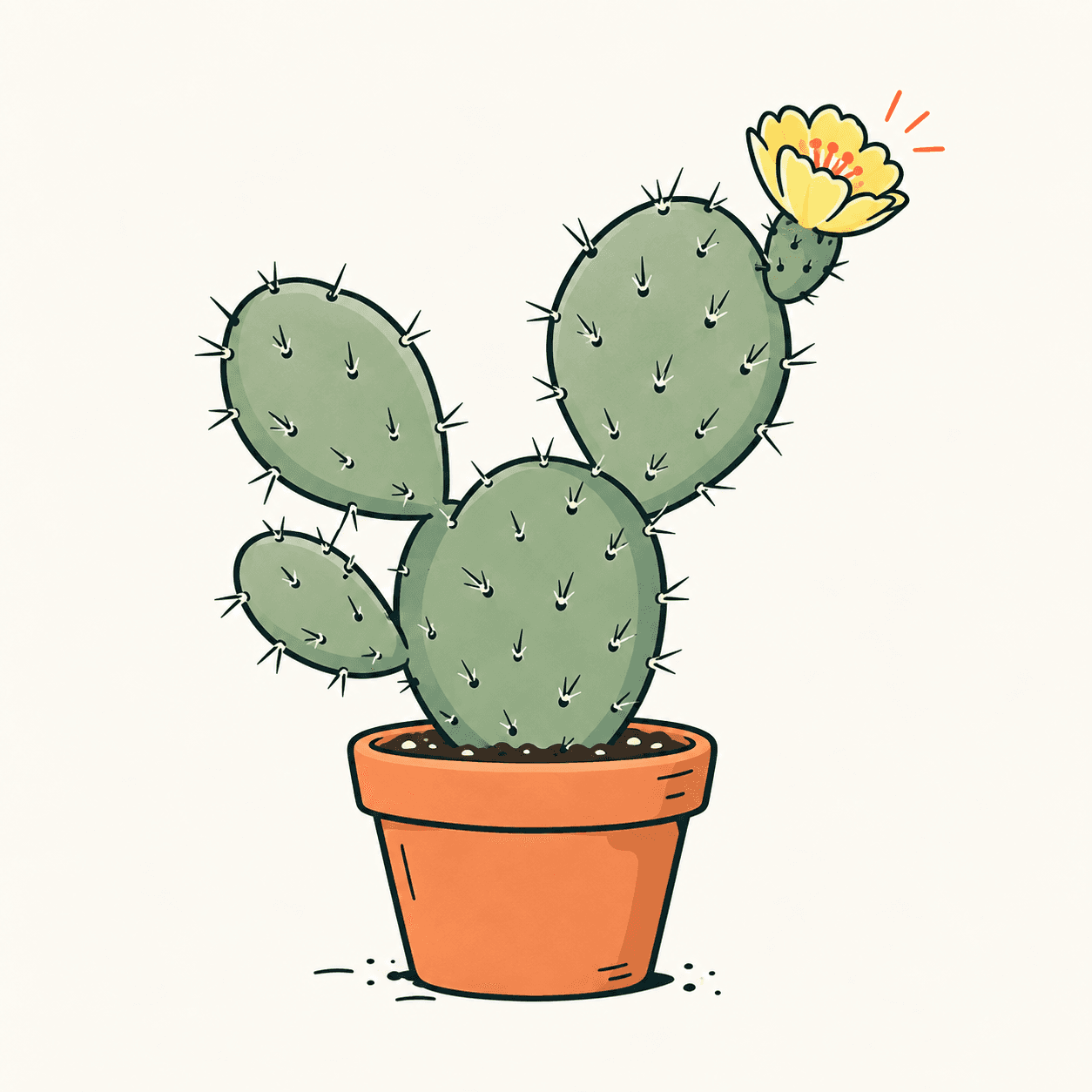
A flat shape can fool the eye: this cactus helps us separate what a plant part looks like from its botanical name.
Read the full story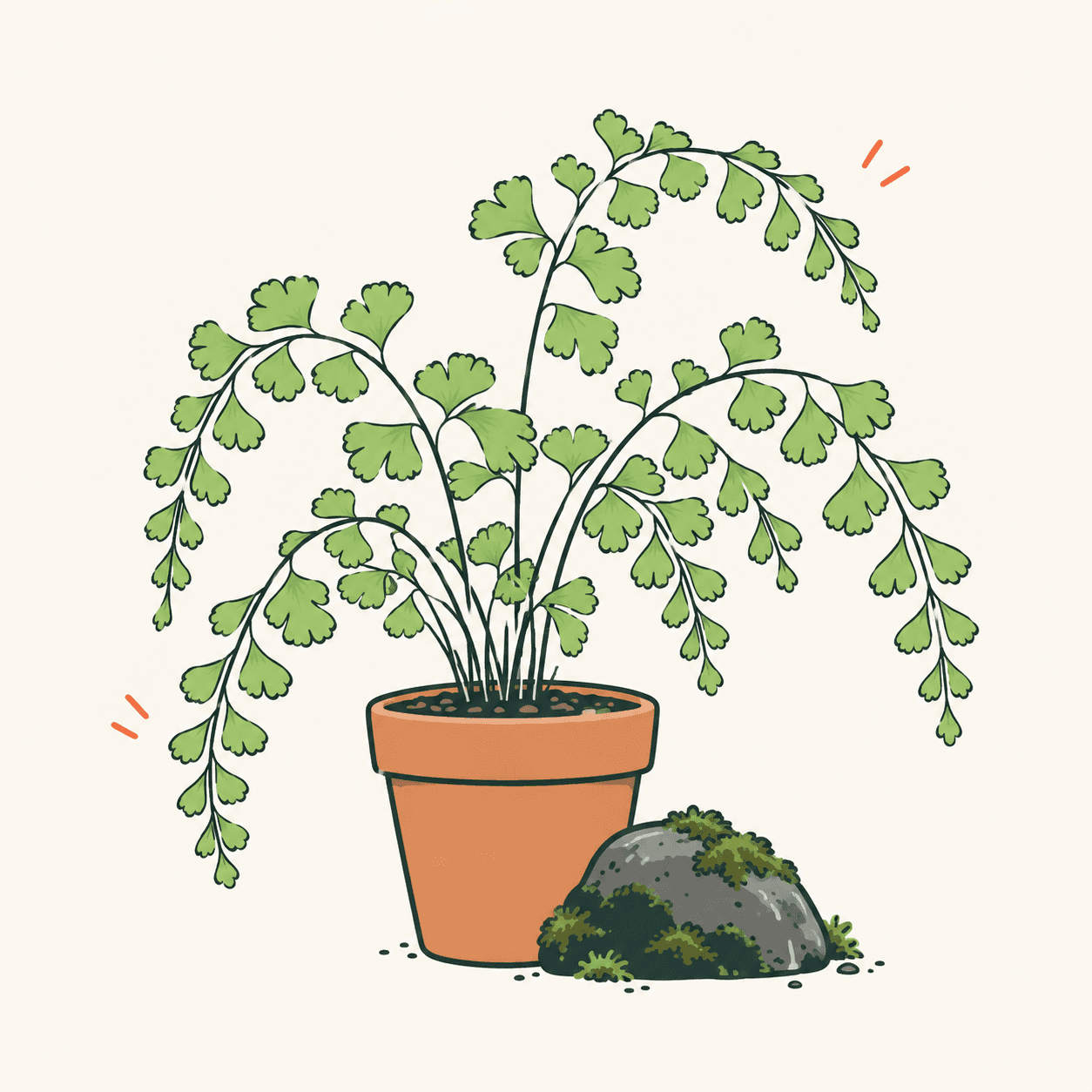
This fern’s little green fans reveal another way to grow and reproduce: some of the clues are underneath its fronds.
Read the full story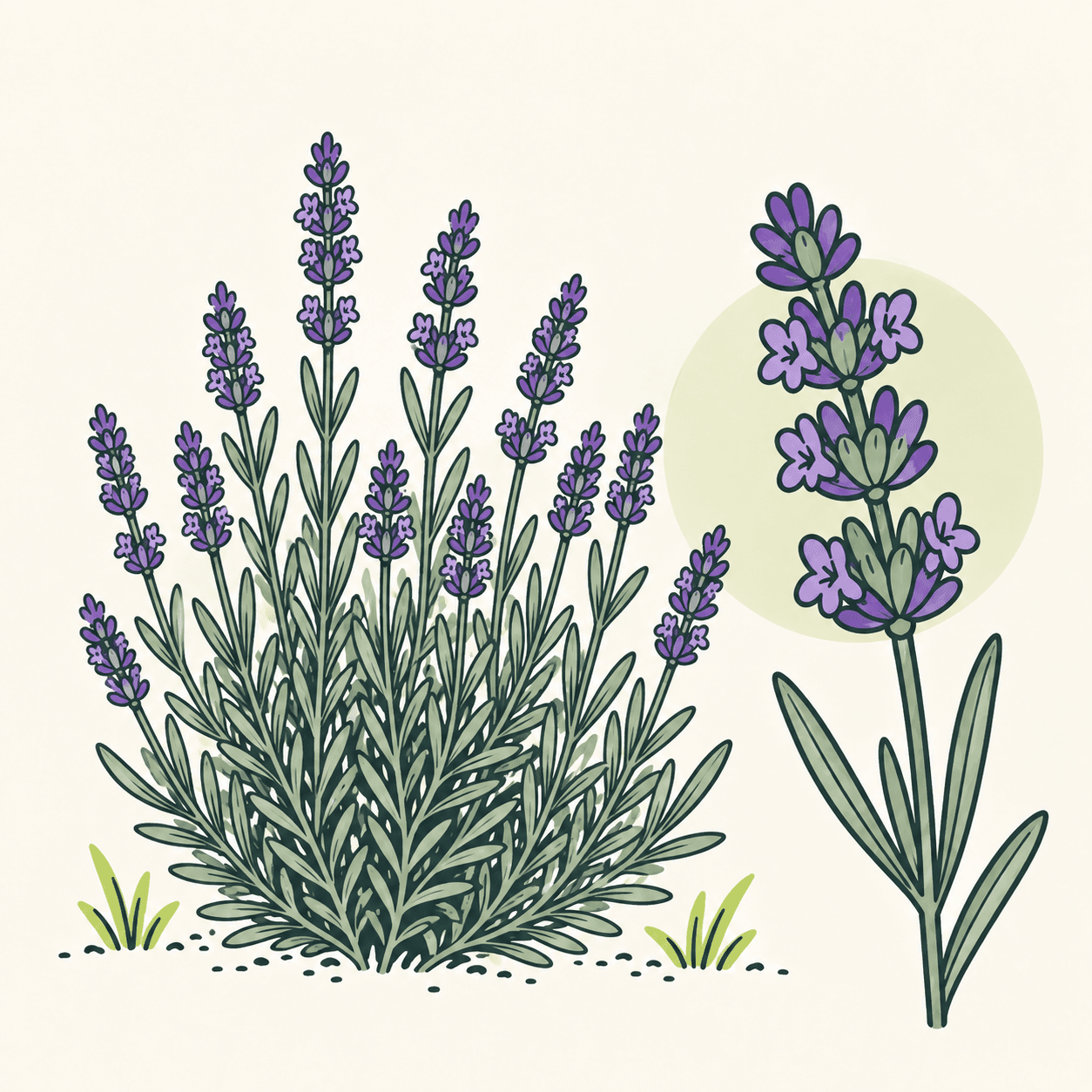
Lavandula angustifolia rewards a closer look: colour draws us in, while leaves, stems and clusters of flowers help describe the plant.
Read the full story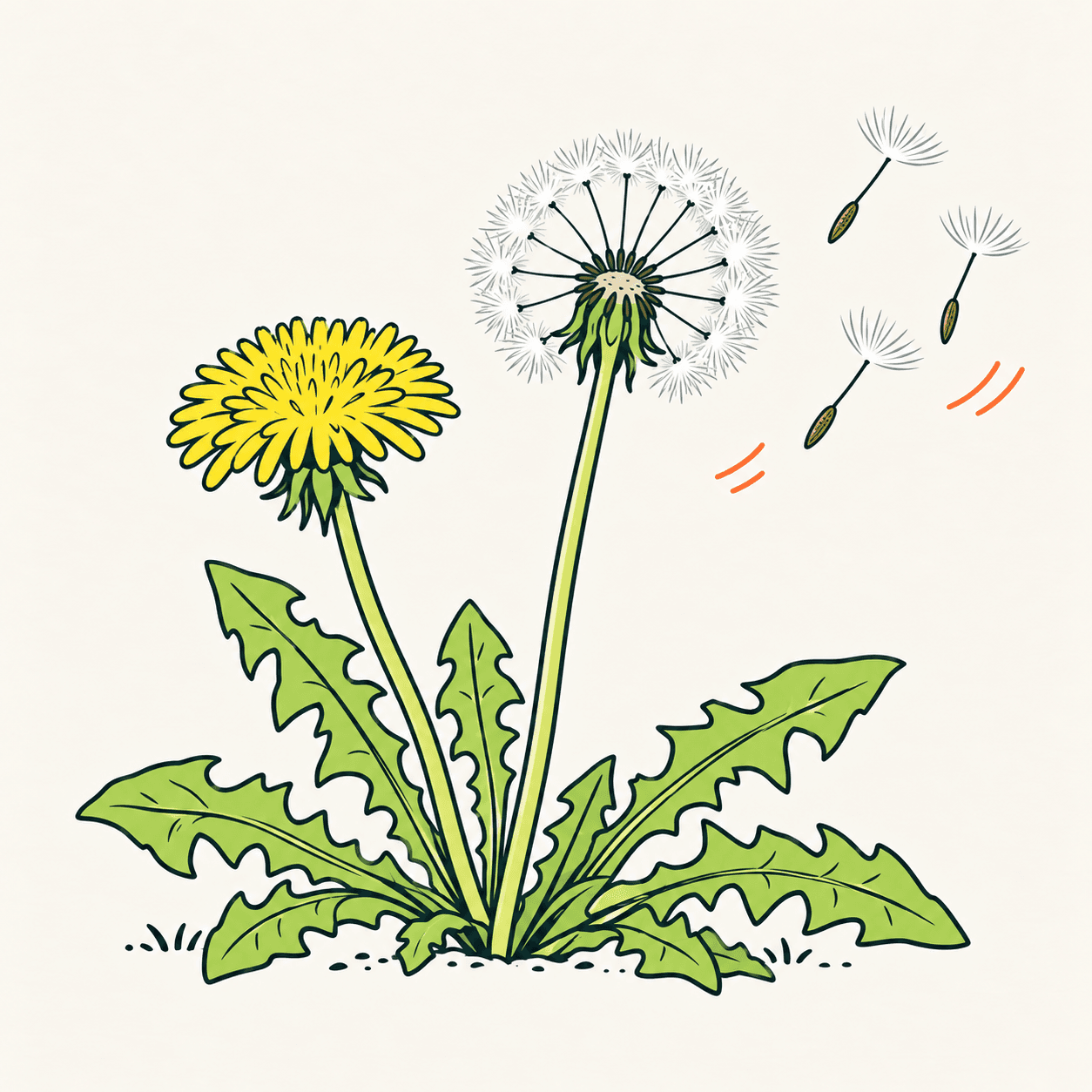
A dandelion clock is not one seed: many tiny fruits travel with a crown of hairs that interacts with the air.
Read the full story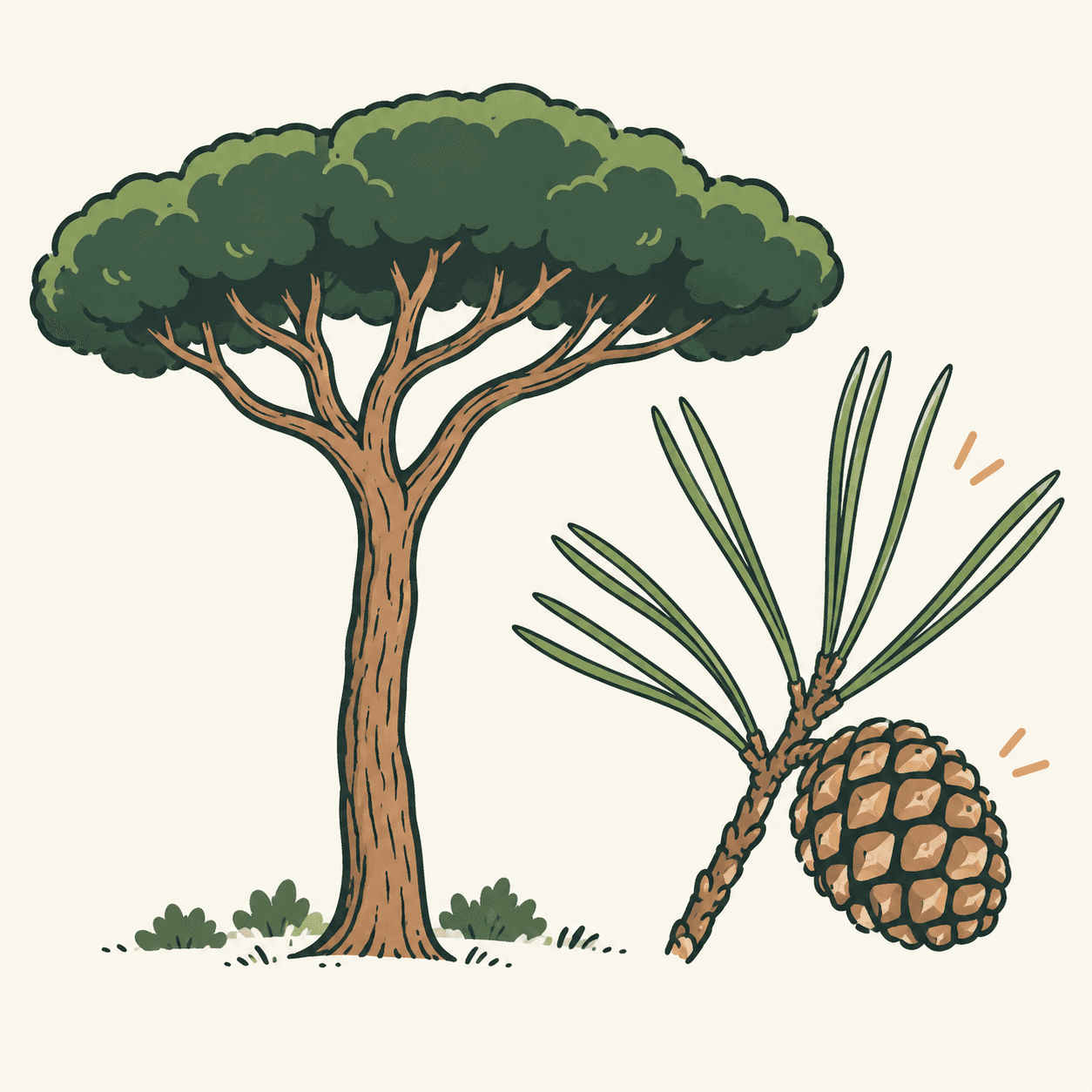
A mature stone pine has a recognisable outline. Looking more closely means learning to notice small details as well.
Read the full story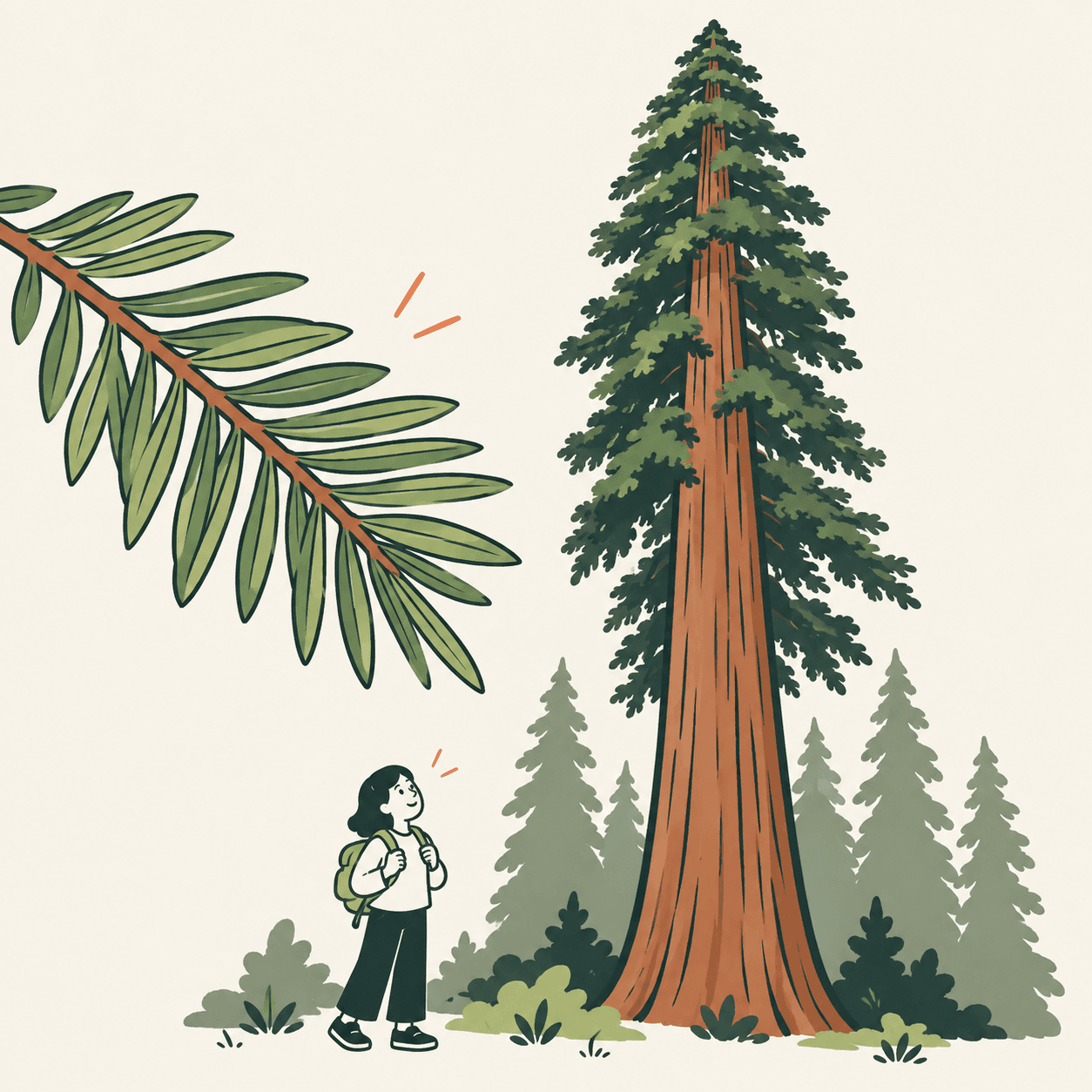
Its height is striking, but the useful discovery is the relationship between a tree, moisture and the forest around it.
Read the full story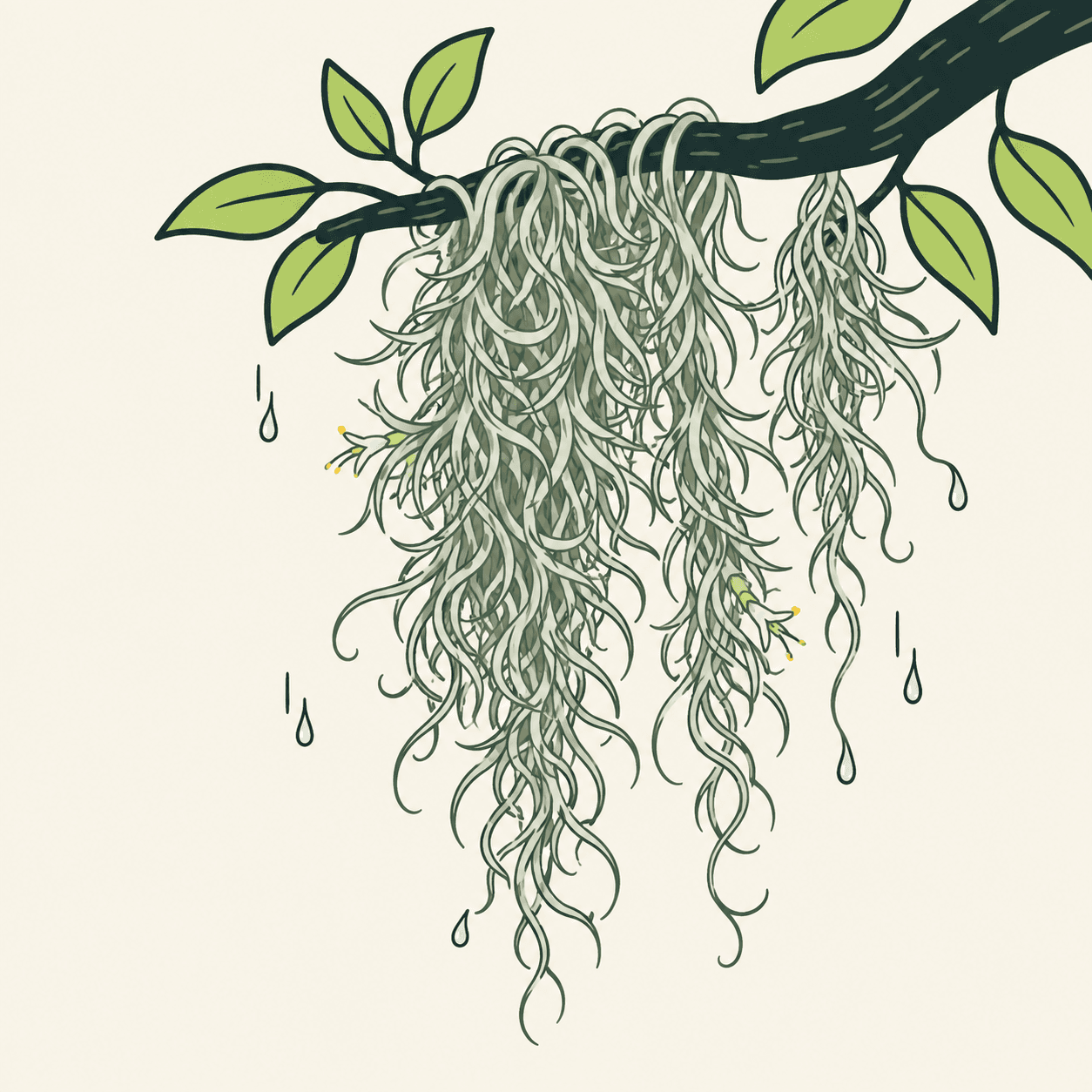
It resembles a beard of moss, but this flowering plant uses branches for support and collects water across its surface.
Read the full story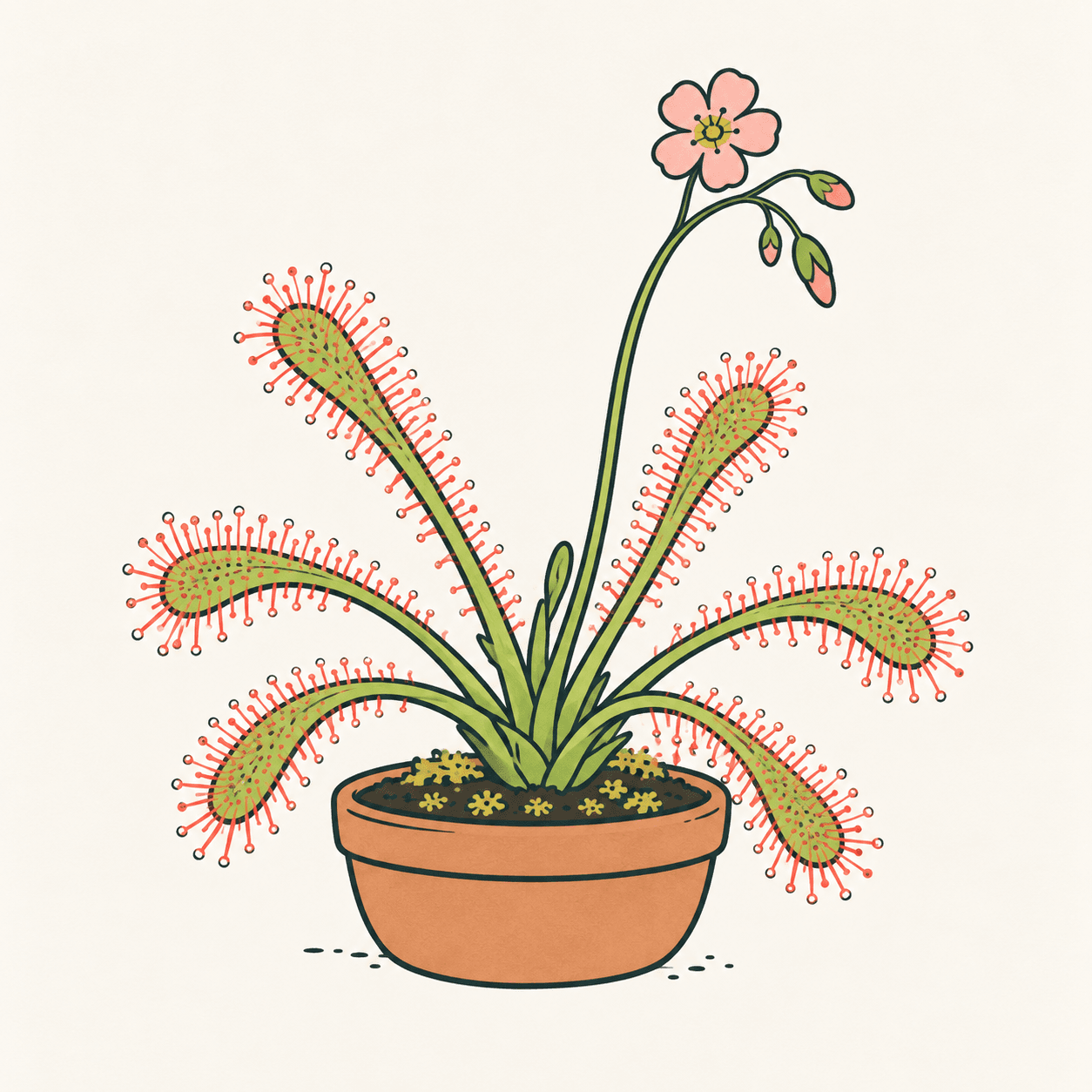
Sticky droplets sparkle on the leaves: this plant gains nutrients by catching small animals, using specialised leaves rather than a mouth.
Read the full story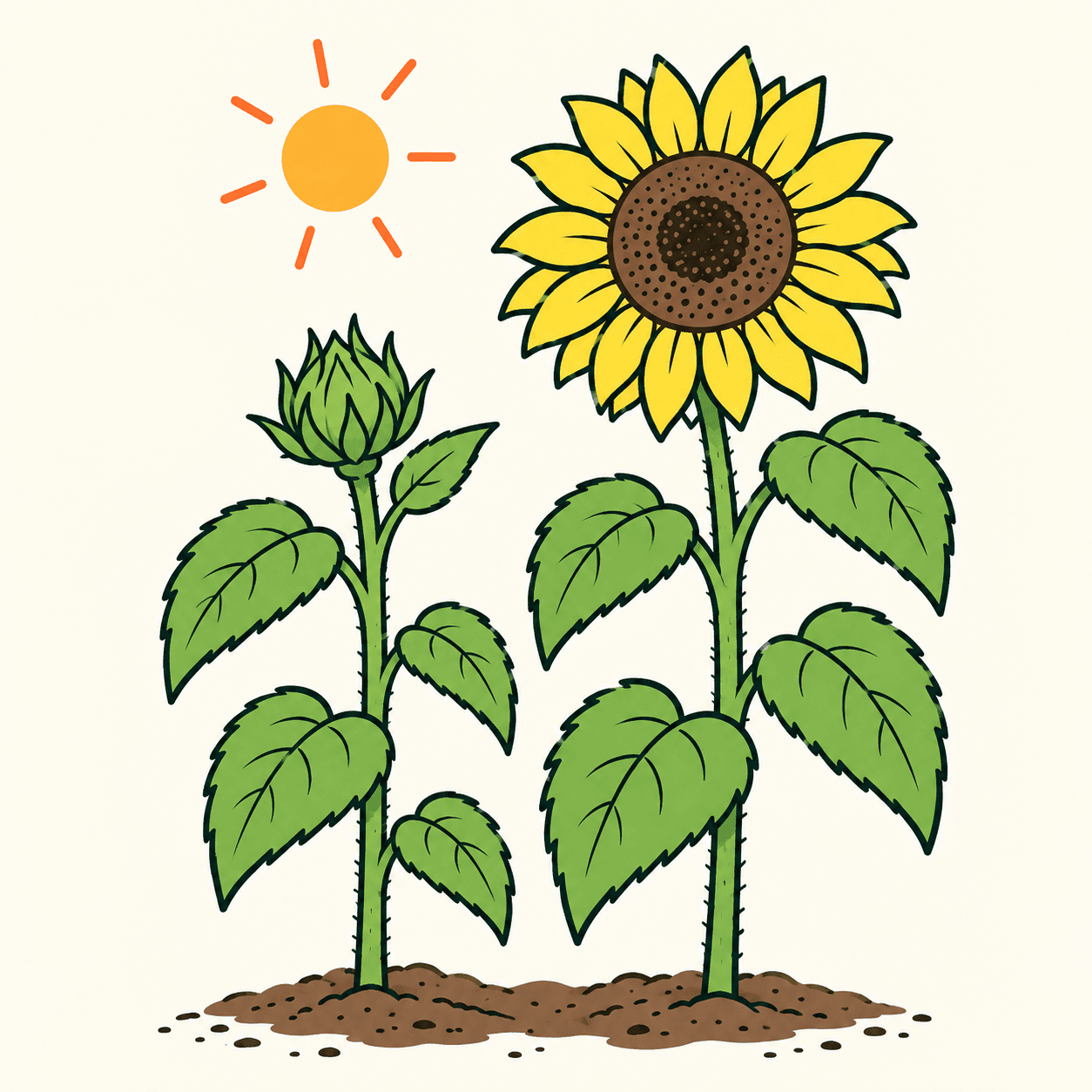
Observing a plant also means asking how it changes as it grows: a young bud and a mature head tell different stories.
Read the full story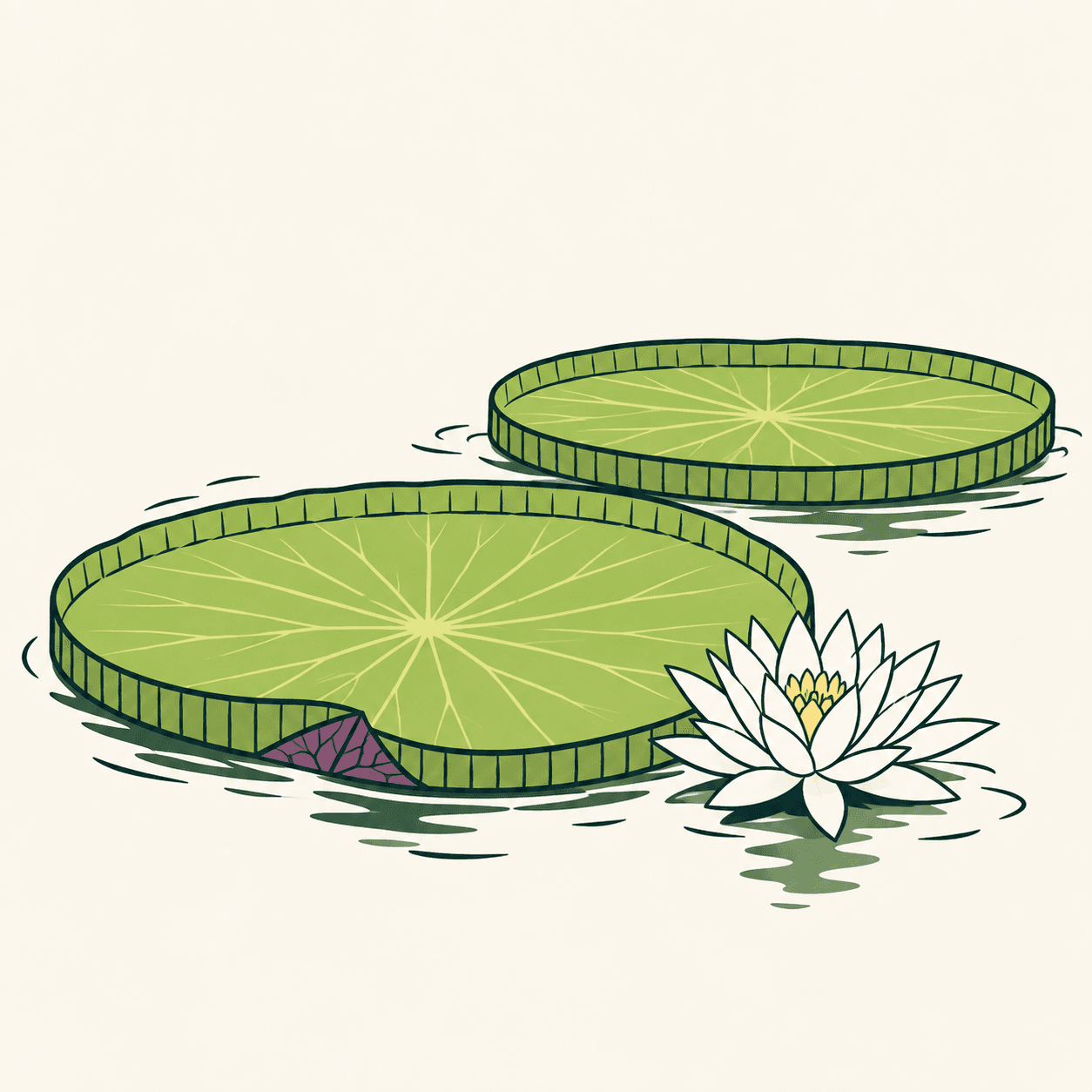
This giant waterlily shows how a thin surface can be supported by a network of veins: a small piece of plant architecture.
Read the full story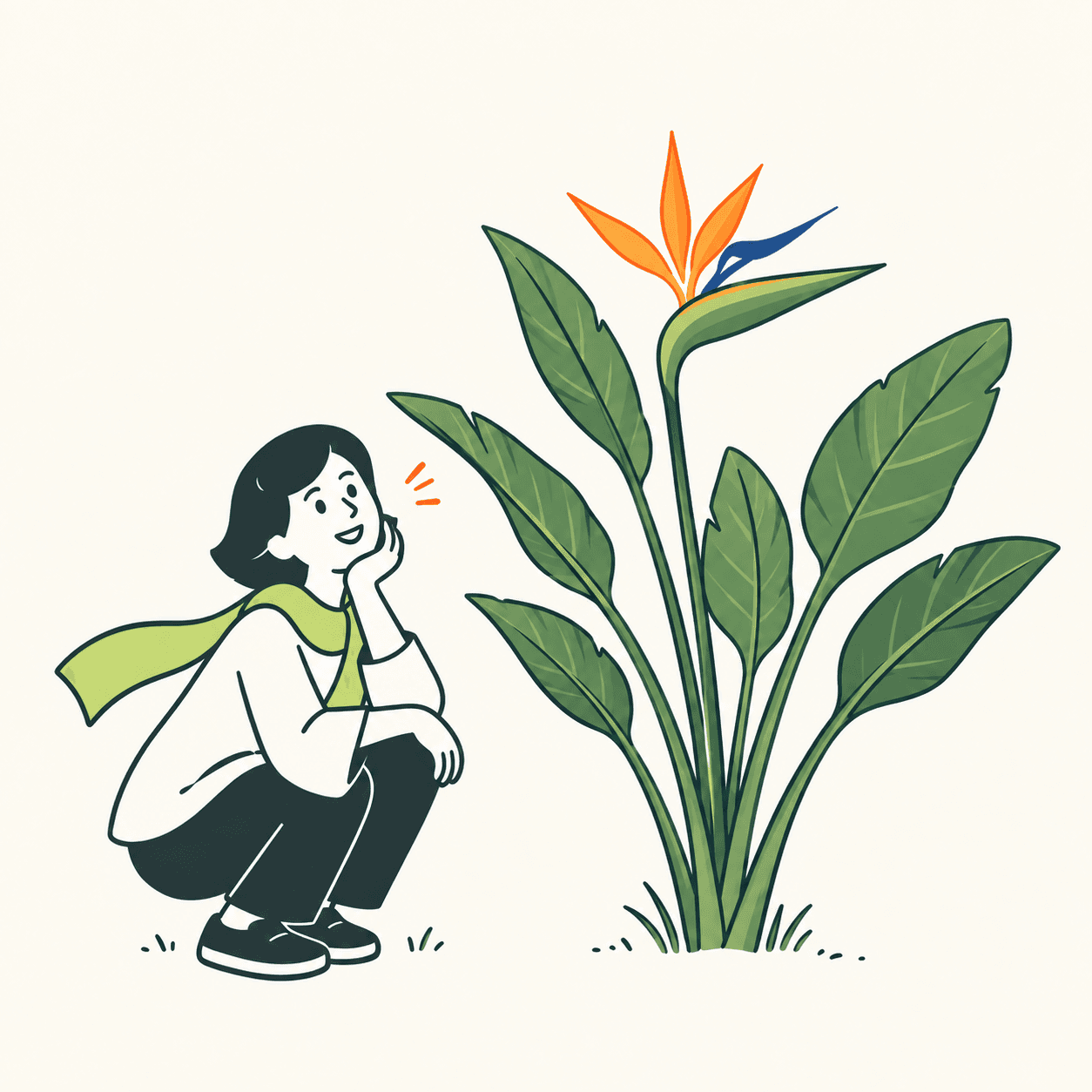
Its outline resembles a bird, but the discovery is botanical: shapes and colours accompany an encounter between flower and pollinator.
Read the full story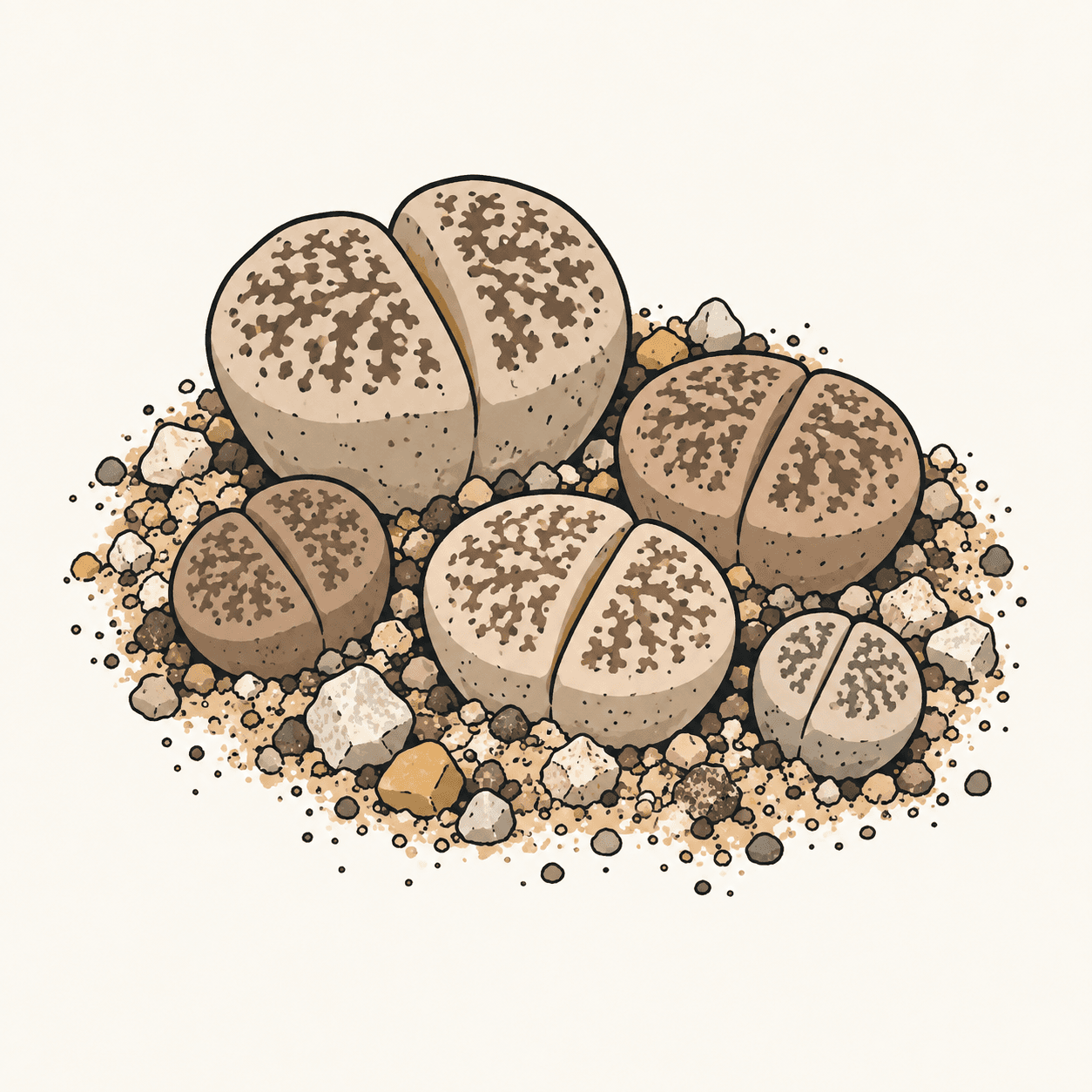
They resemble tiny stones, but their fleshy leaves reveal a remarkable arrangement: admitting light while staying close to the ground.
Read the full story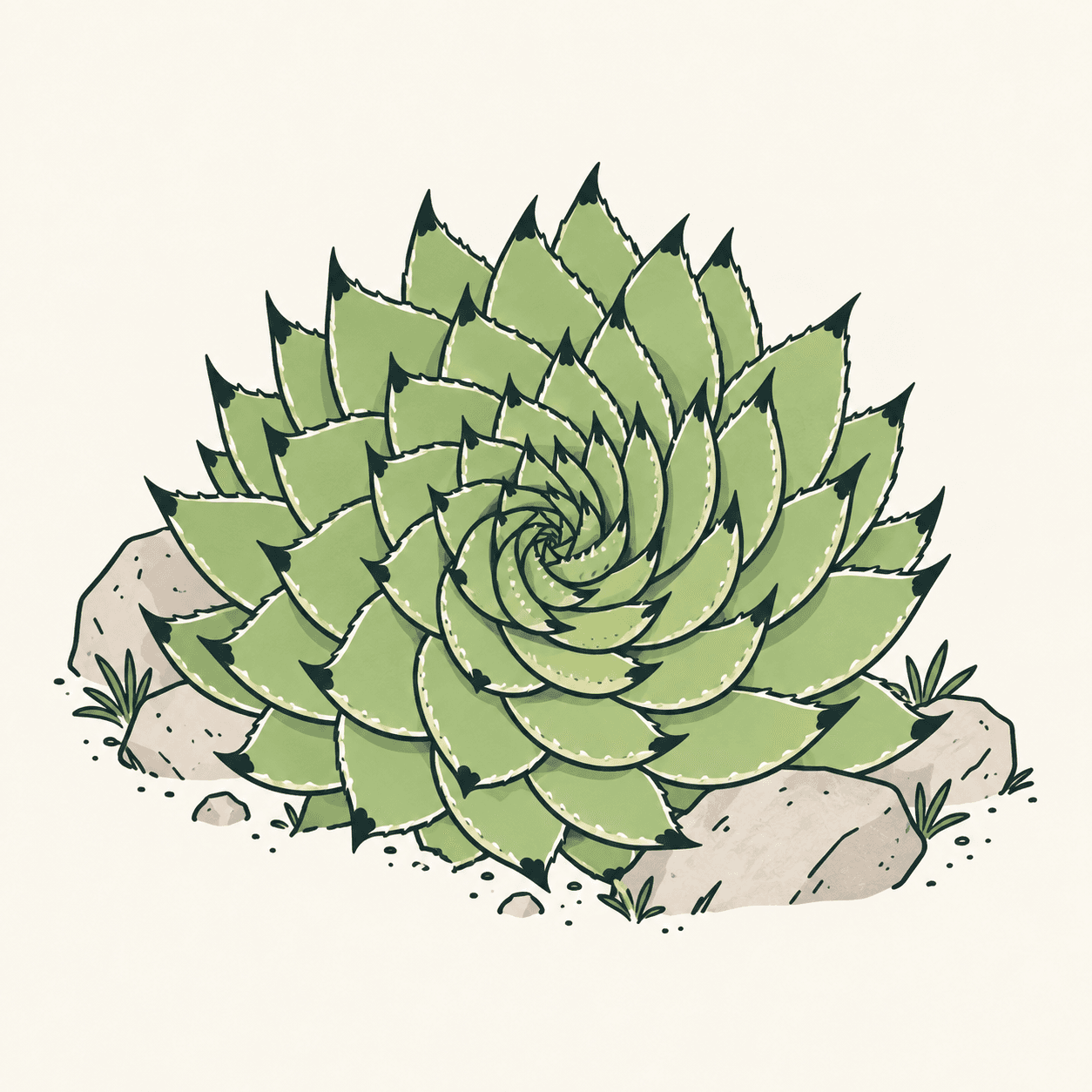
The orderly rosette of this Lesotho species invites us to consider leaf shape, natural habitat and provenance together.
Read the full story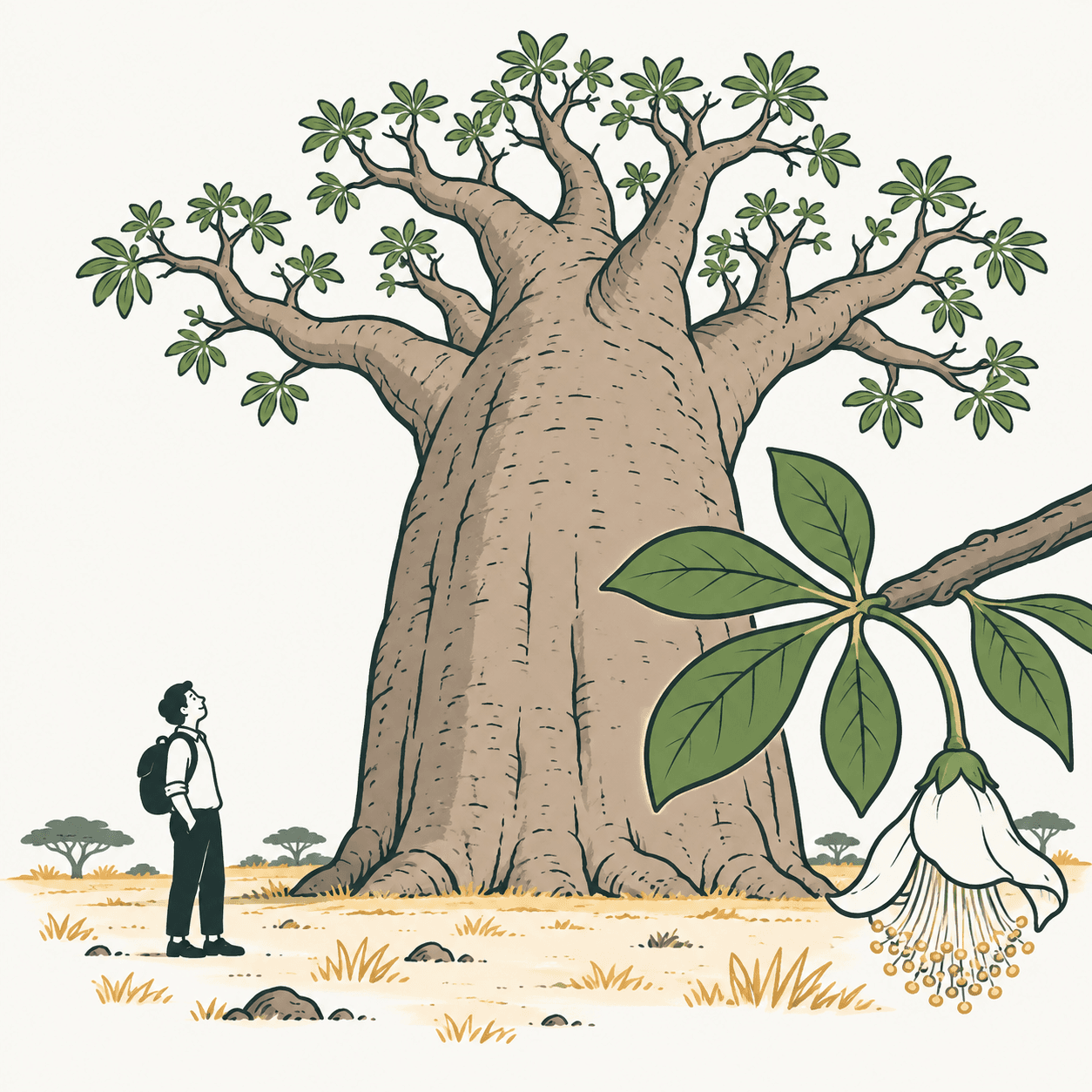
The African baobab has finger-like leaflets and hanging flowers: looking closely takes us beyond the familiar postcard silhouette.
Read the full story
The lotus effect begins with a microscopically uneven surface: droplets make little contact, adhere weakly and can carry dirt away.
Read the full story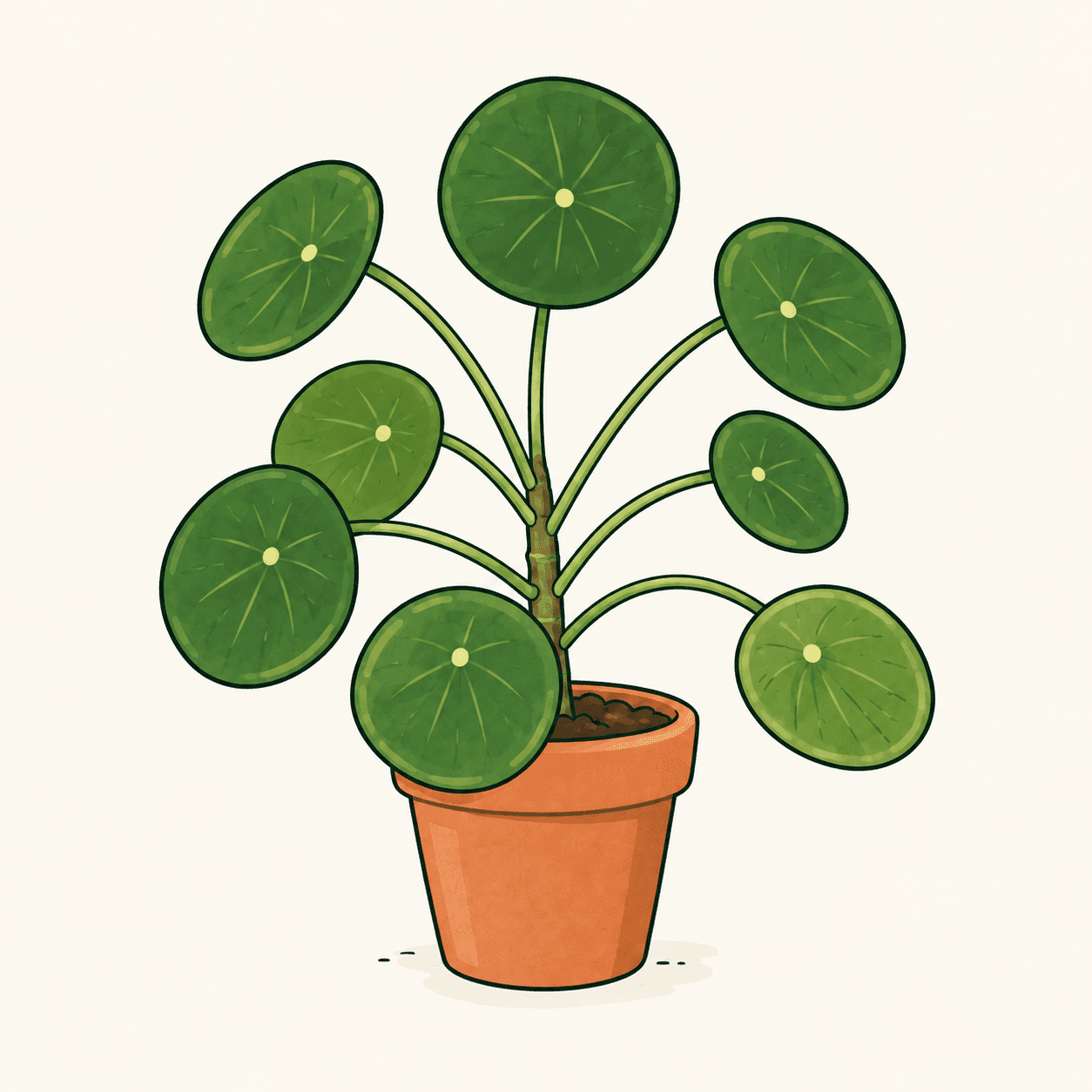
Those round leaves have an unusual attachment: each stalk joins near the centre of the leaf’s lower surface.
Read the full story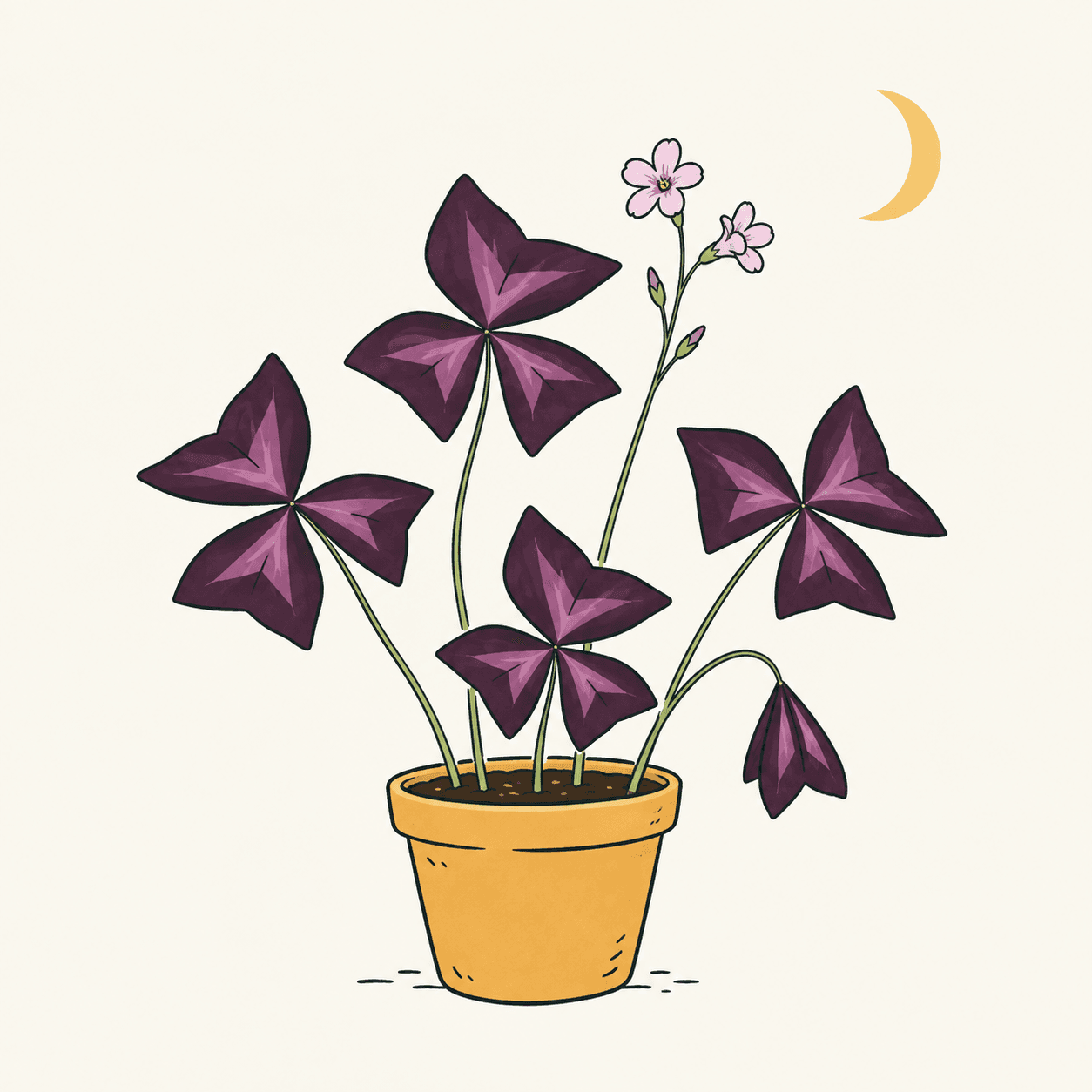
Its leaves, each made of three triangular leaflets, change position at night: a small performance that requires no remote control.
Read the discovery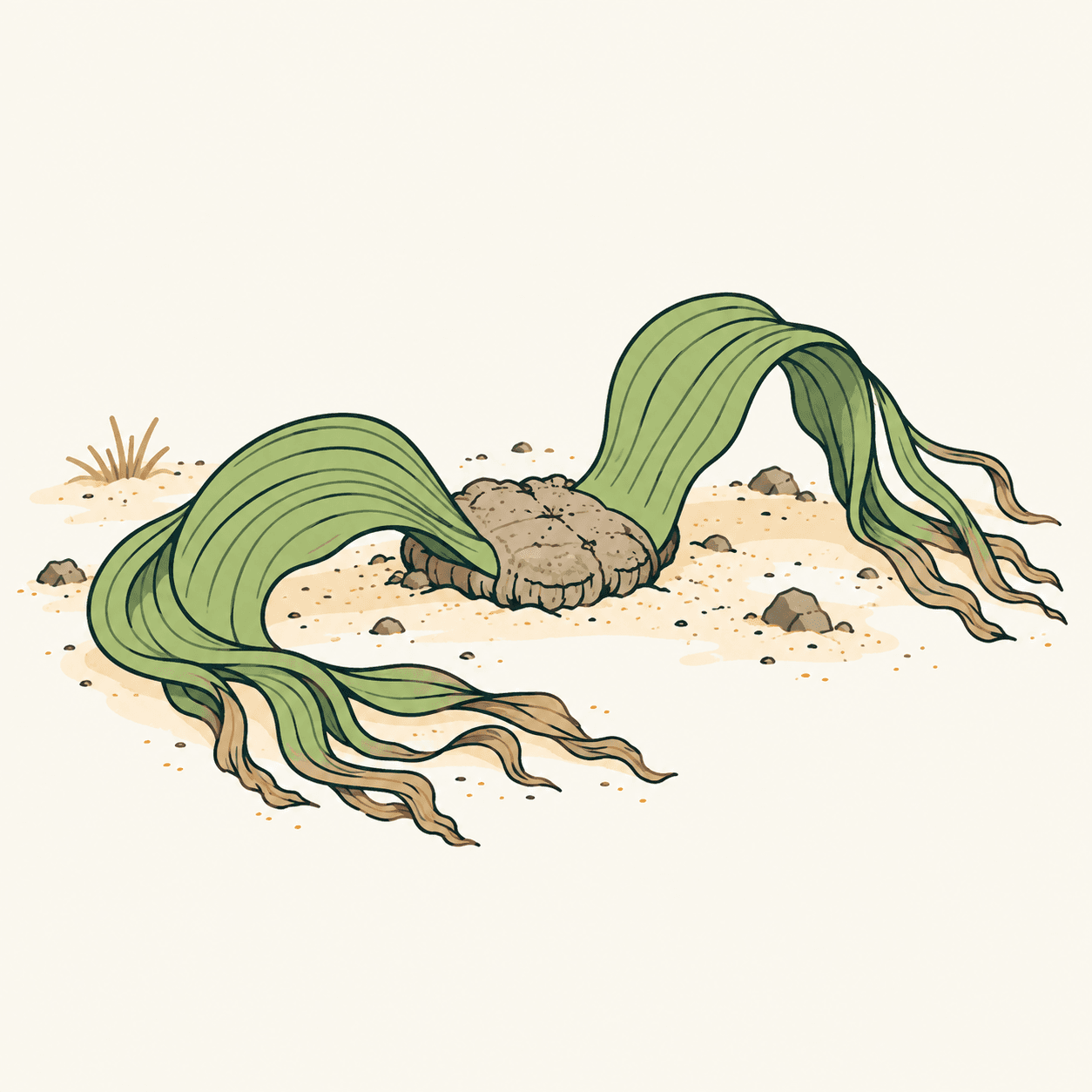
It looks like a tangle of ribbons, but Welwitschia mirabilis keeps two adult leaves, growing as their ends split and fray.
Read the discovery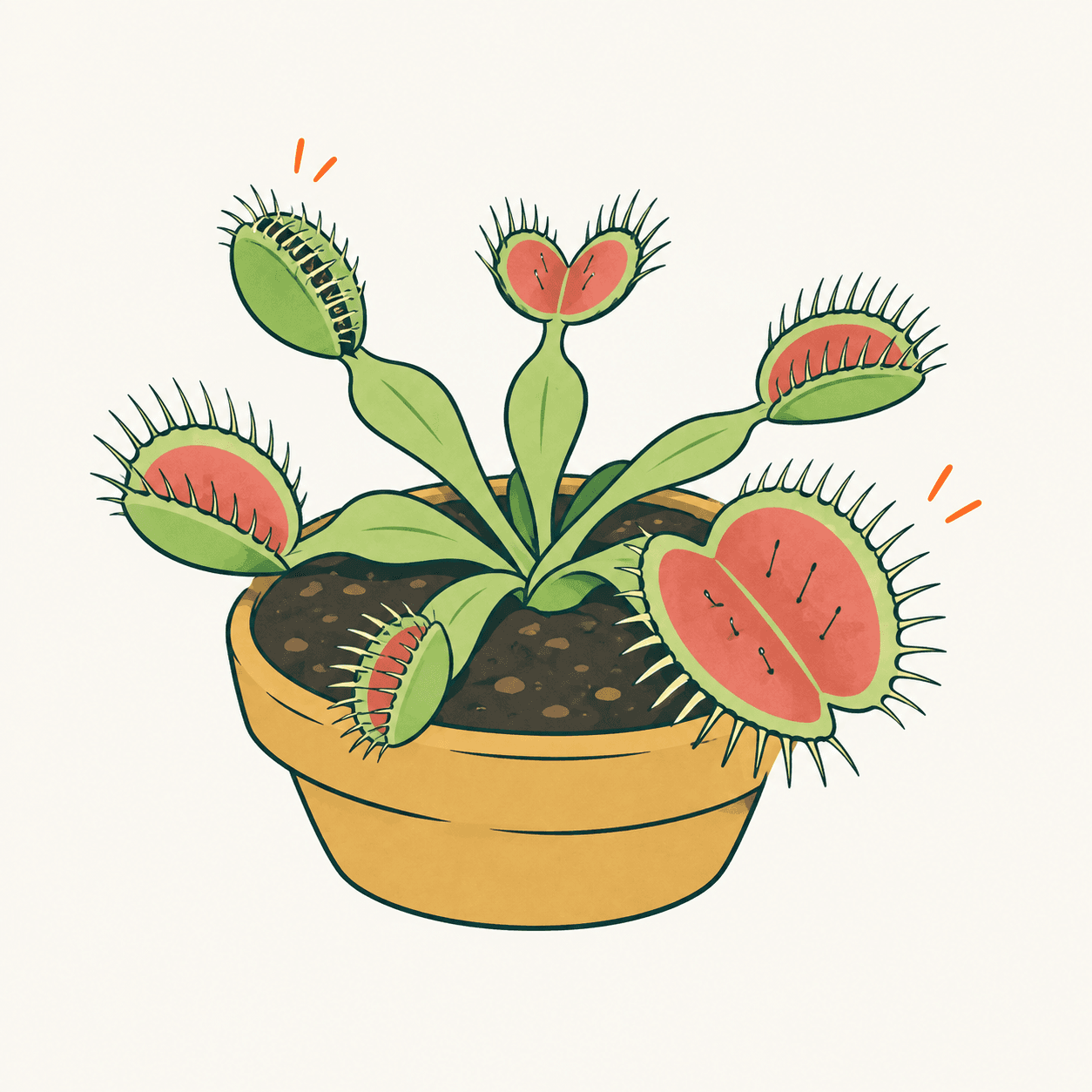
This theatrical carnivorous plant has traps made from leaves and a closing mechanism that responds to touches delivered close together.
Read the discovery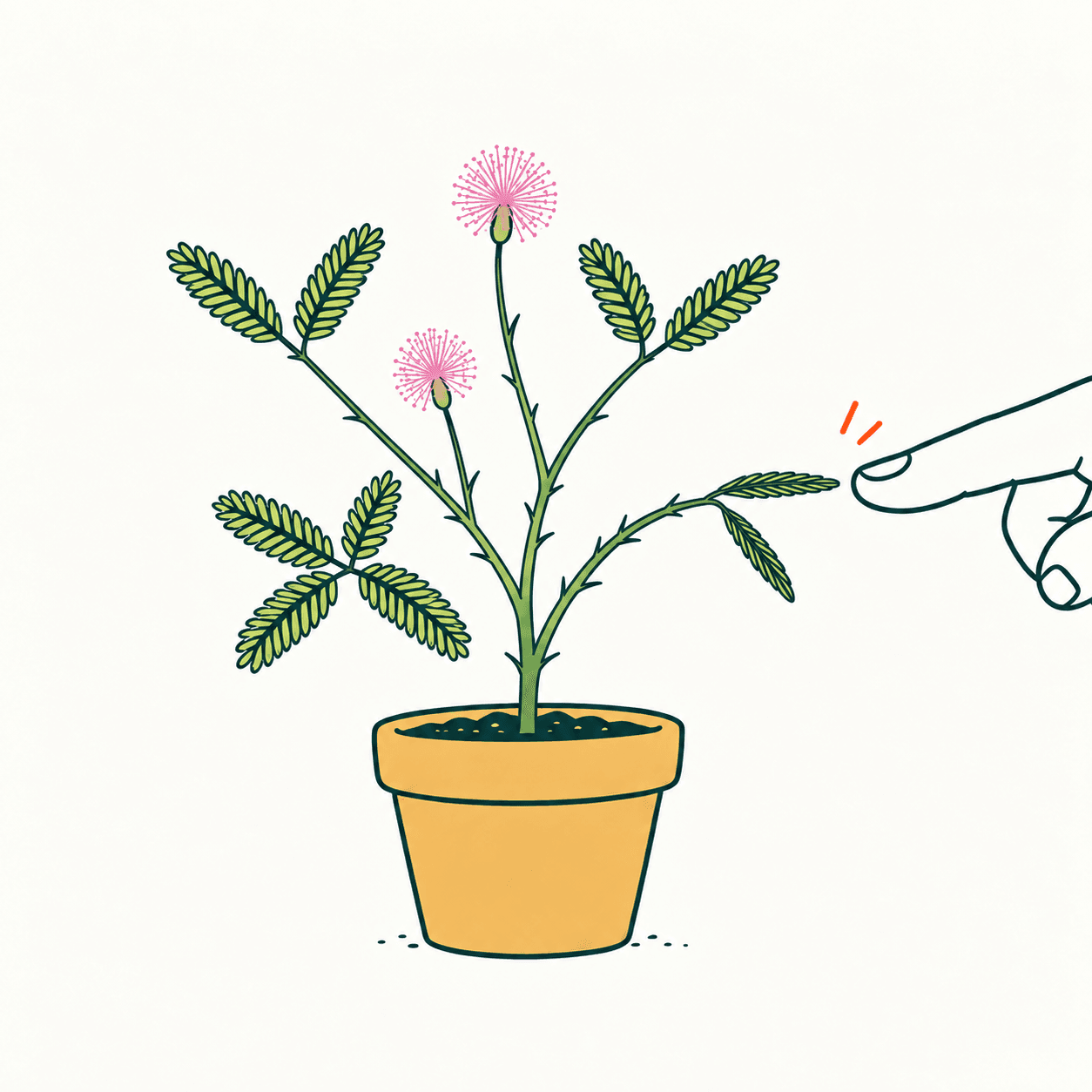
With pink flowers and leaflets sensitive to touch, Mimosa pudica reveals a form of plant movement that also depends on water.
Read the discovery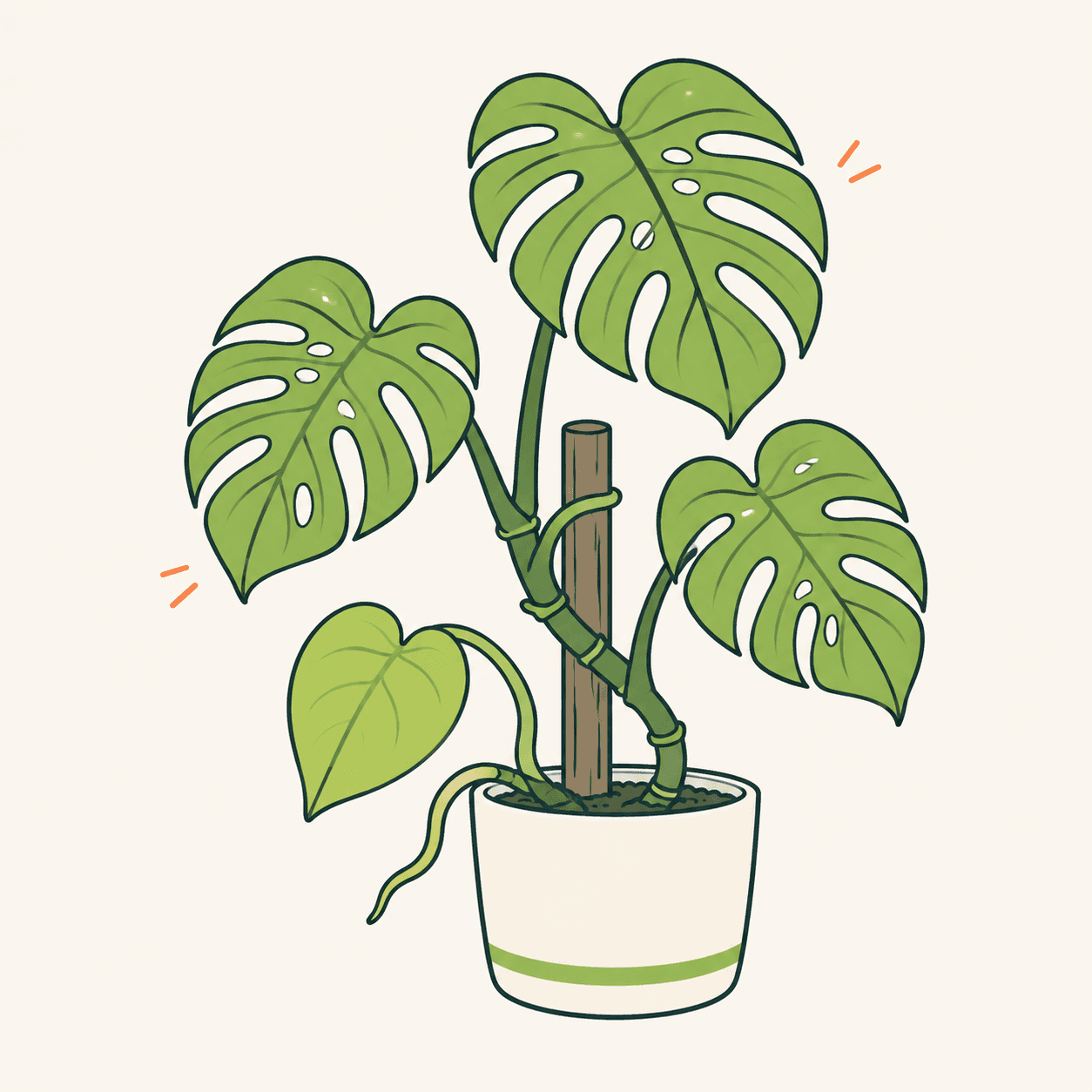
The openings in mature leaves are part of this tropical climber’s growth: its leaf pattern changes as the plant develops.
Read the discovery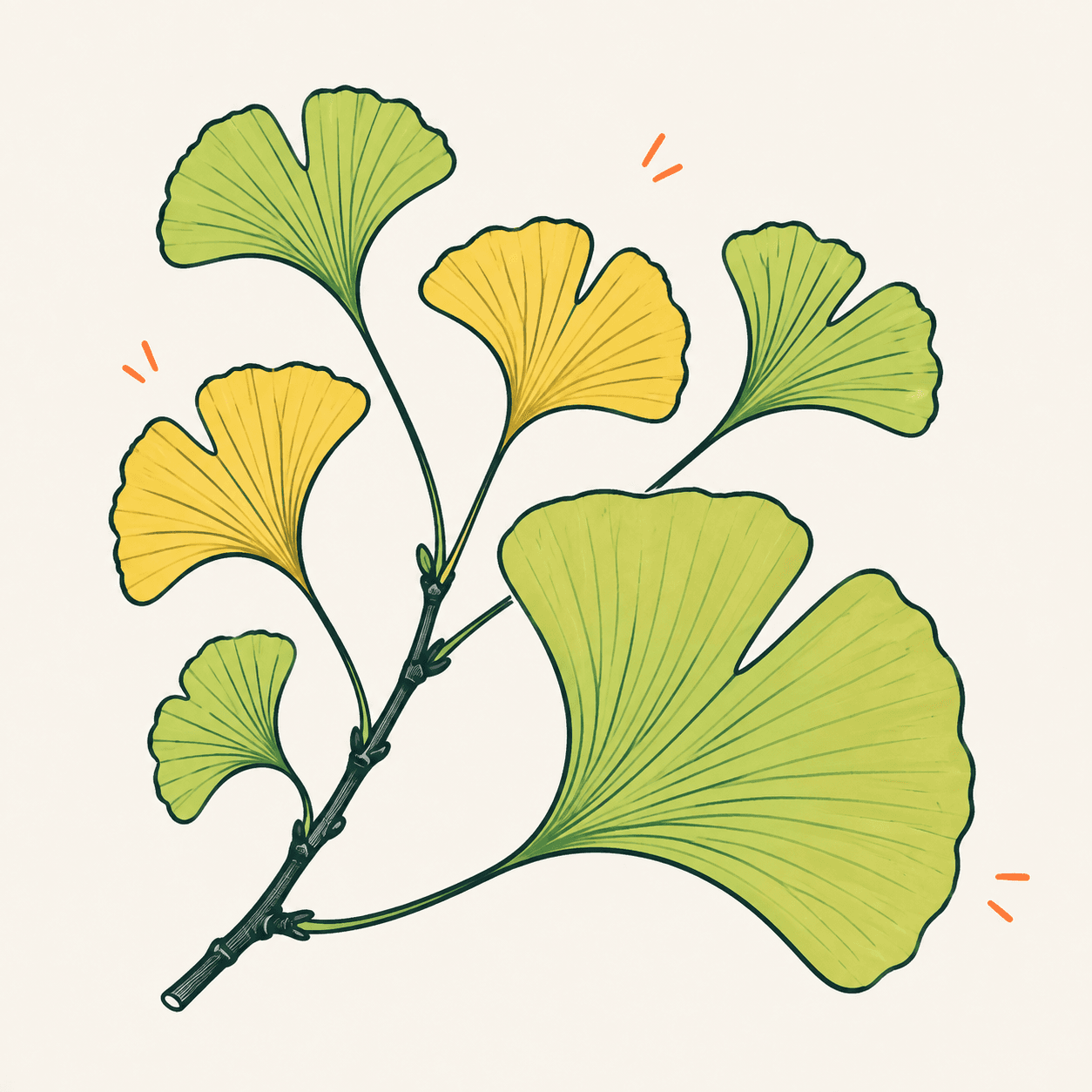
Fan-shaped leaves and autumn gold make ginkgo easy to recognise. Its rarity in the wild is the real surprise.
Read the discoveryIllustrated reads with verifiable sources. Original illustrations made with AI assistance.