News dated
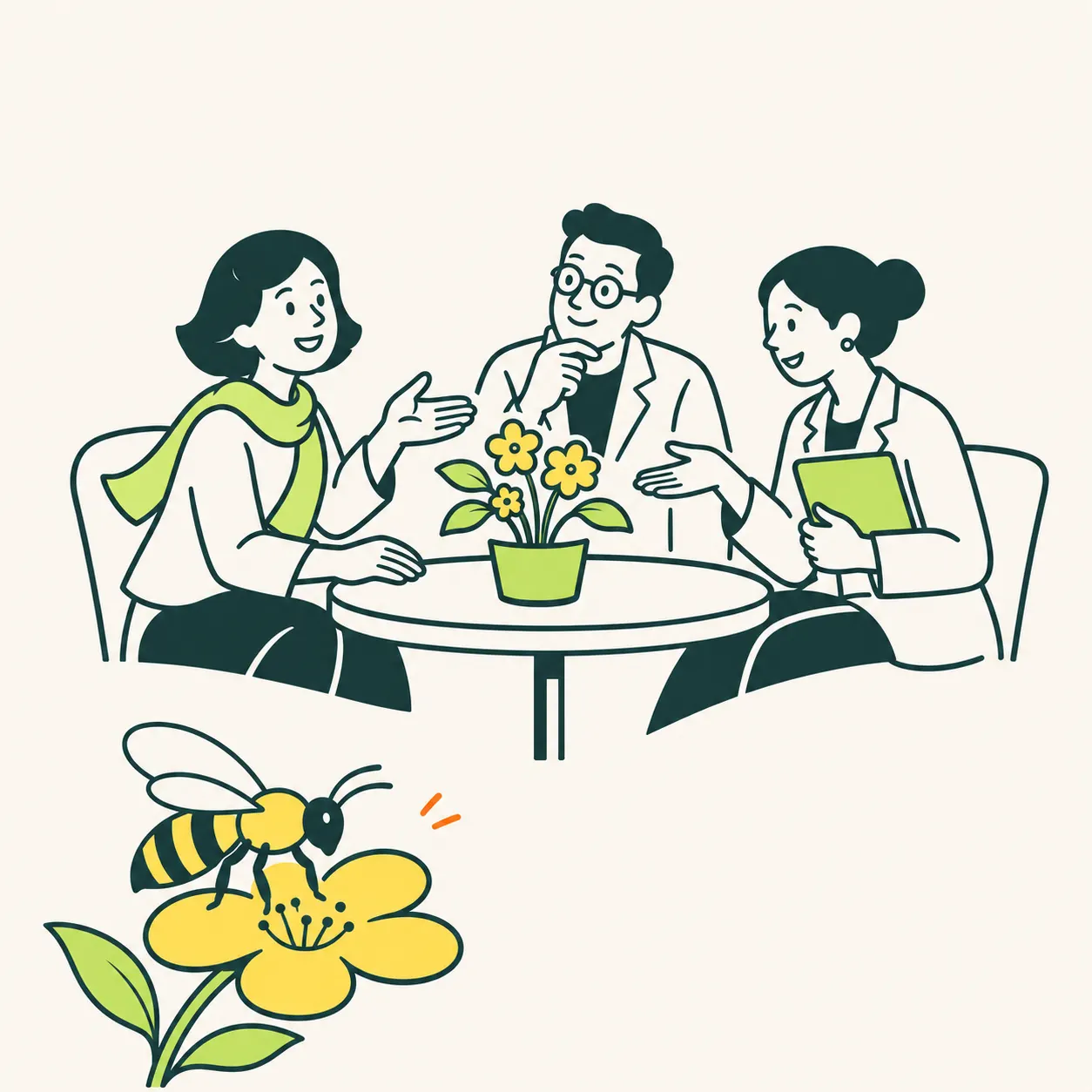
FAO convened a global conference in Rome on 5 and 6 November to define the next steps towards a pollinator platform. Proposed functions include coordination, data sharing, training and technical support. The official page describes these as possible activities once the platform is established, rather than results already achieved. [1]
The discussion is open to member countries, organisations, experts, Indigenous Peoples and local communities. Bees, butterflies, birds and other pollinators contribute to food systems but face pressures including habitat loss and unsustainable farming practices. A meeting can organise joint work; it cannot by itself demonstrate that pollinator populations have recovered. [1]
The bright side
The proposal aims to connect existing initiatives and knowledge in response to shared threats. [1]
One idea, in simple words
A bee visiting a flower can carry pollen to another flower. This helps many plants reproduce. Butterflies, birds and other animals can also be pollinators. In Rome on 5 and 6 November, FAO organised a conference to discuss a global platform for these animals. Here, a platform means a way for people and organisations to work together. [1]
Imagine different schools observing a garden and then sharing their notes: comparing information can help them understand a problem. That is an example to explain cooperation, not a project announced by the conference. The proposed platform could help people share data and training. We do not yet know which final decisions will be adopted. Holding a meeting does not, by itself, mean that pollinators are now safe. [1]
A little discovery to keep
What did you discover?
Straight from the source.
- Global Pollinator Conference, 5–6 November 2026 FAO · No publication date provided
Original reporting summaries prepared with AI assistance and accessible sources. Our editorial method.