News dated
On October 16, UNICEF reported delivering 75,000 vials of medicine to Pakistan’s health authorities to support treatment during a leishmaniasis outbreak in Khyber Pakhtunkhwa. Since January, the agency says, more than 10,500 cases have been reported in the province, including over 4,400 children under 16. [1]
Leishmaniasis is spread by the bite of infected sand flies and can cause skin sores. The vials were handed to the provincial health department in Peshawar and are due to be distributed through selected facilities. A local report on September 3 described shortages: the delivery does not yet show that every patient has received treatment. [1][2]
The bright side
The delivery may support access to treatment, while distribution and its effects still need to be checked. [1]
One idea, in simple words
UNICEF has delivered 75,000 vials of medicine to health authorities in Pakistan. The news concerns an illness called leishmaniasis in the province of Khyber Pakhtunkhwa. A vial is a small container for medicine: the number of vials does not tell us how many people have already been treated. According to UNICEF, more than 10,500 cases have been reported since January, including over 4,400 children under sixteen. [1]
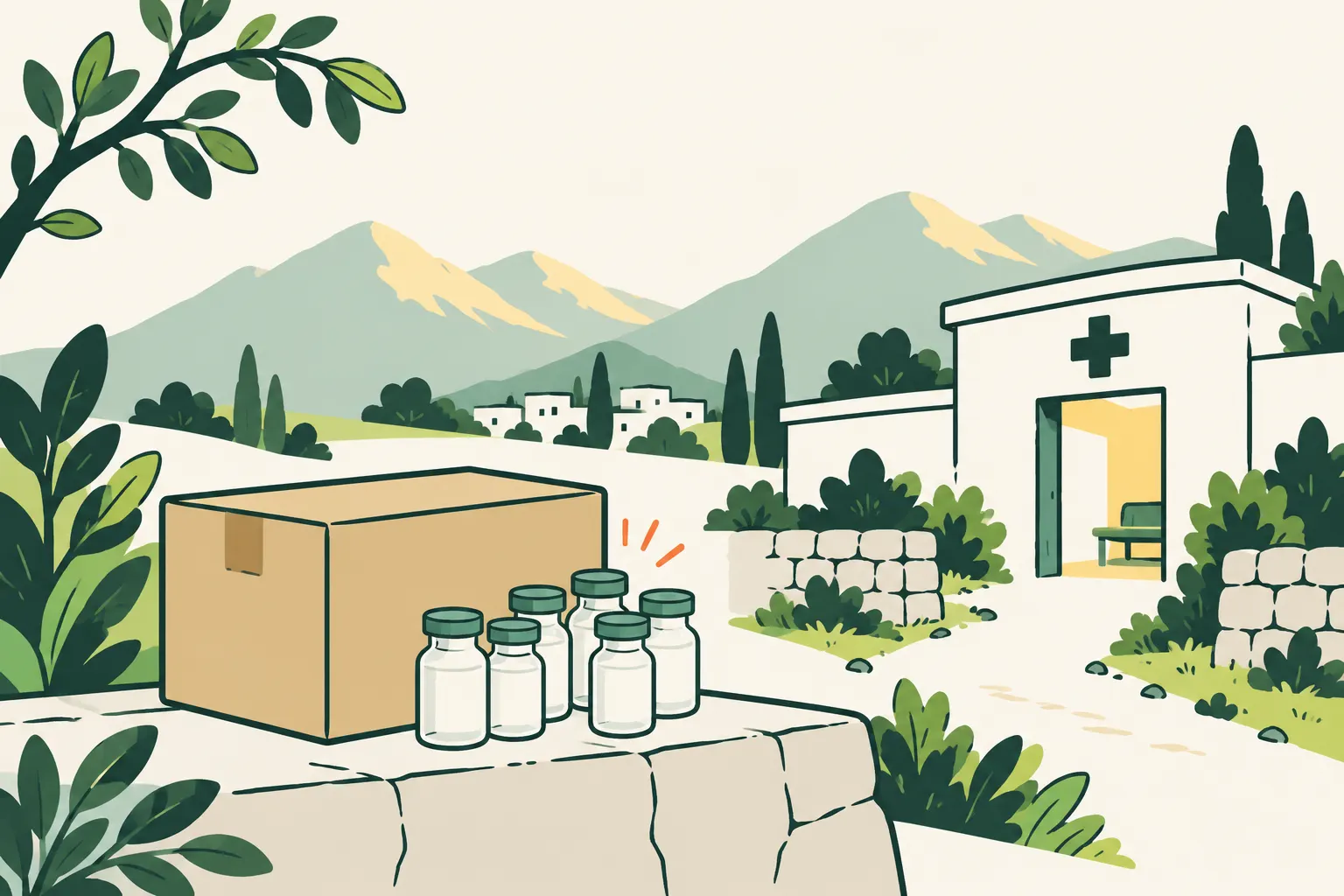
The illness can be spread by the bite of tiny infected sand flies and can cause sores on the skin. Authorities plan to distribute the vials through selected health facilities. As an example, imagine a parcel that must travel from a store to a clinic before it can be used. A local article described difficulties in finding medicine. The delivery is a step, not proof that everyone has already been treated. [1][2]
A little discovery to keep
What did you discover?
Straight from the source.
- UNICEF provides 75,000 vials of medicine to treat children affected by leishmaniasis in Khyber Pakhtunkhwa UNICEF Pakistan · 16 Oct 2026
- No Vial, No Cure: Patients Pay the Price of Leishmaniasis Drug Shortages WE News English · 3 Sept 2026
Original reporting summaries prepared with AI assistance and accessible sources. Our editorial method.