News dated
NatureScot’s 2025/26 review, announced on 15 September, records 35 beavers moved to the Highlands and 24 to licensed projects in England and Wales: these are not this week’s releases. [1]
The report describes veterinary checks before relocation and families kept together. It also records 22 beavers killed under licence: moving animals offers a practical alternative, but has not eliminated lethal control. [2]
IUCN recommends assessing risks, suitable habitats and local communities’ involvement. [3]
The bright side
Coexistence also involves work on site: the report documents water-control devices and protection to reduce damage to infrastructure. [2]
One idea, in simple words
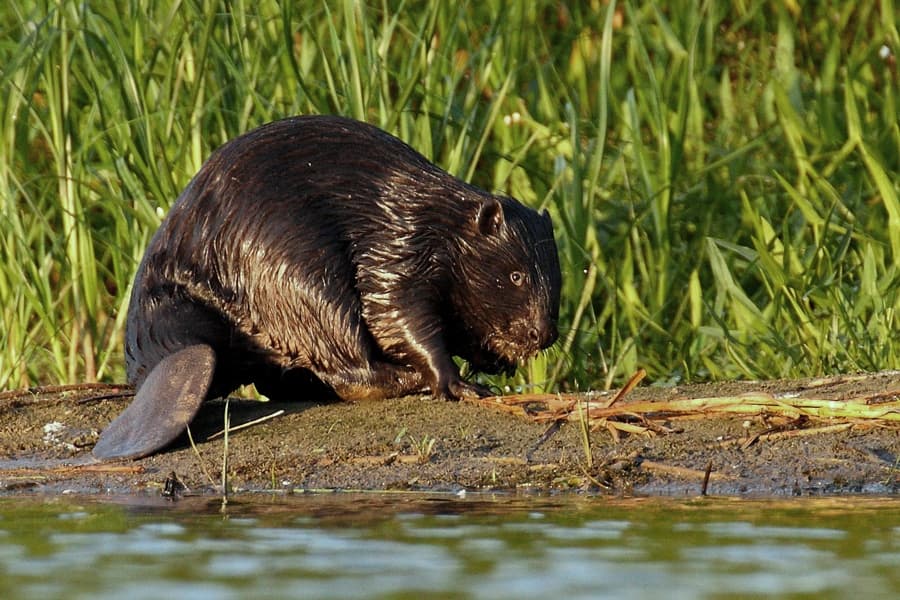
Beavers change waterways by building dams. This can create places that help other animals, but sometimes causes problems on land people use. In a review announced on 15 September, NatureScot reports that 35 beavers were moved to the Scottish Highlands. [1]
Moving them does not mean taking them anywhere. Experts check the environment and listen to local people. Imagine a new home: an open door is not enough. You must know whether you can live well there without creating difficulties for others. [3]
Vets check the beavers and families stay together. Problems remain, however: the same report also records animals killed under licence. Protecting nature requires checks and different solutions, not a single answer. [2]
A little discovery to keep
What did you discover?
Straight from the source.
- Another 35 beavers moved to new Highland homes NatureScot · 15 Sept 2026
- Beaver Management Report 2025/26 NatureScot · No publication date provided
- As translocation saves species from Scotland to Guam, experts call to “move it or lose it” IUCN · 9 Sept 2026
Original reporting summaries prepared with AI assistance and accessible sources. Our editorial method.