News dated
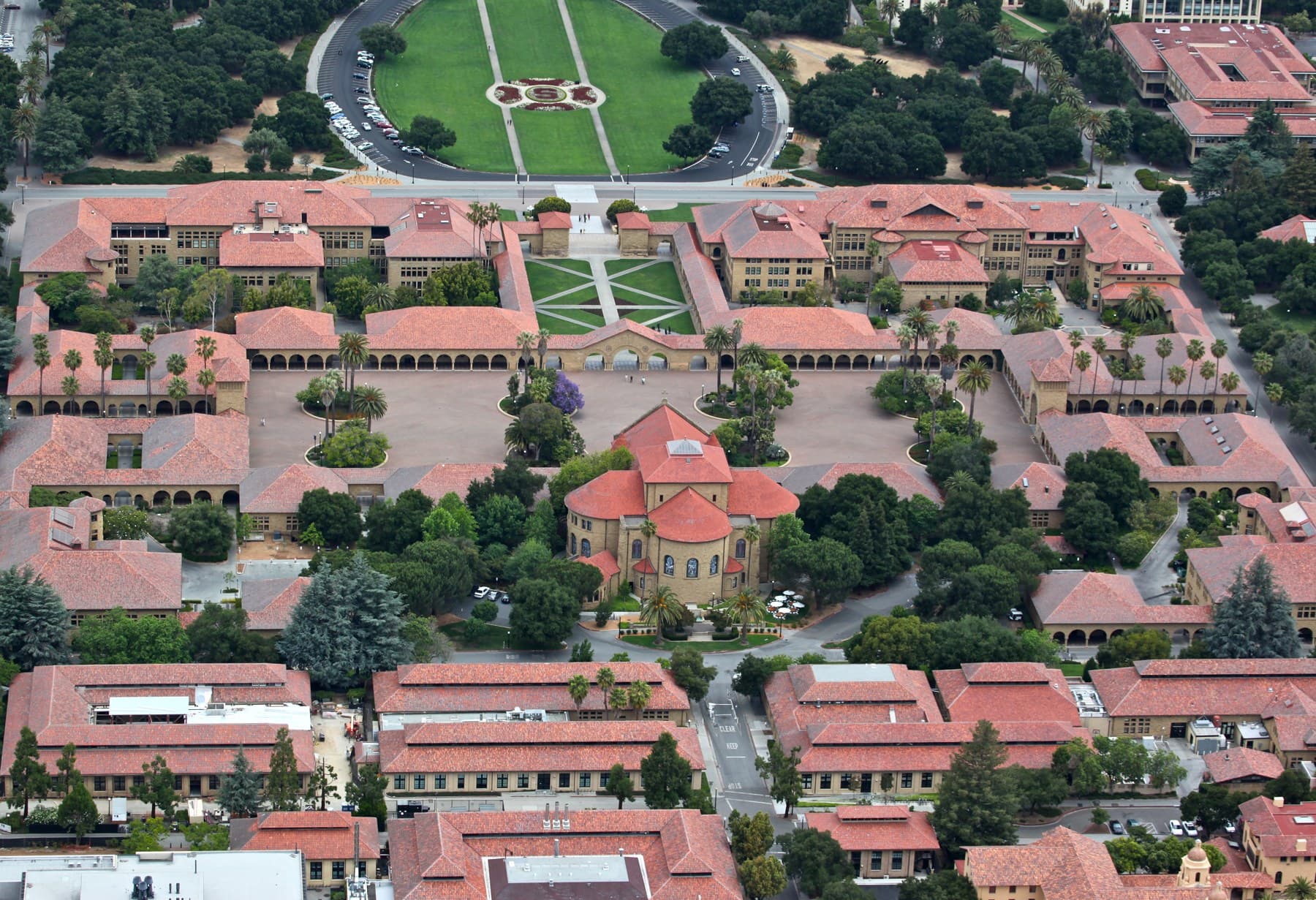
On October 7, UNESCO announced a new Chair at Stanford focused on digital futures: it is the university’s first UNESCO Chair. Thomas S. Mullaney, who leads the SILICON initiative, will head it. The aim is to support languages and communities that are underrepresented in digital tools. [1]
The programme plans work on fonts, keyboards and datasets, alongside documentation and policies for inclusion. SILICON already studies the relationship between writing, technology and language communities. The Chair is a newly announced commitment: it does not show that barriers have been solved or that every language already has the tools it needs. [1][2]
The bright side
Being able to write in your own language depends on very practical tools. The project focuses on this often invisible part of digital access. [1][2]
One idea, in simple words
To write on a computer, knowing the words is not enough: you also need tools that can display them. On October 7, UNESCO announced a new Chair at Stanford University, led by Thomas S. Mullaney. Here, a Chair means a research and collaboration programme. It will focus on languages underrepresented in digital technology, including work on screen fonts, keyboards and collections of data. [1]
Imagine, as an editorial example, that your keyboard lacks one letter of your name. You could know your name perfectly and still struggle to type it correctly. The project aims to tackle barriers like these with the communities concerned. It is an announced programme: that does not mean every language already has a new keyboard or every problem has been solved. [1]
A little discovery to keep
What did you discover?
Straight from the source.
- UNESCO and Stanford University strengthen collaboration through new Chair on digital inclusion UNESCO · 7 Oct 2026
- SILICON — Stanford Initiative on Language Inclusion and Conservation in Old and New Media Stanford University · No publication date provided
Original reporting summaries prepared with AI assistance and accessible sources. Our editorial method.


_05.JPG)