News dated
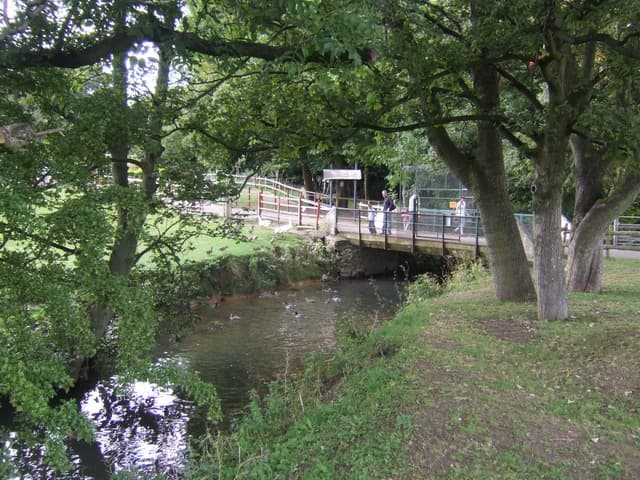
On 25 September, Staffordshire Wildlife Trust reported the completion of two river projects in Stoke-on-Trent. Work with the Environment Agency and city council at Bucknall Park and Ford Green Brook has recreated ponds and aquatic habitats. [1]
Trent Renew describes wider channels, different depths and wood in the water as shelter. These provide varied habitats for animals, which do not all have the same needs. [2]
The bright side
Restoring natural river processes can improve habitats. Effects on flooding depend on the location, however, and need to be checked. [3]
One idea, in simple words
In Stoke-on-Trent, England, two projects to improve river habitats have finished. New ponds have been created. The news was reported on 25 September. [1]
Deeper water, shallow stretches and pieces of wood offer different places to live. A habitat is a place where a living thing finds suitable conditions. Different animals have different needs. [2]
As an example, imagine a yard with only paving. Adding a flowerbed and a shady corner provides more kinds of space. River restoration tries to bring back natural variety. This can help wildlife, but it does not promise to stop every flood. People need to watch what happens over time and assess each place carefully. [3]
A little discovery to keep
What did you discover?
Straight from the source.
- Restored rivers bring new opportunities for wildlife and people in Stoke-on-Trent Staffordshire Wildlife Trust · 25 Sept 2026
- Trent Renew Staffordshire Wildlife Trust · No publication date provided
- River and floodplain management Environment Agency · 12 Feb 2025
Original reporting summaries prepared with AI assistance and accessible sources. Our editorial method.