News dated
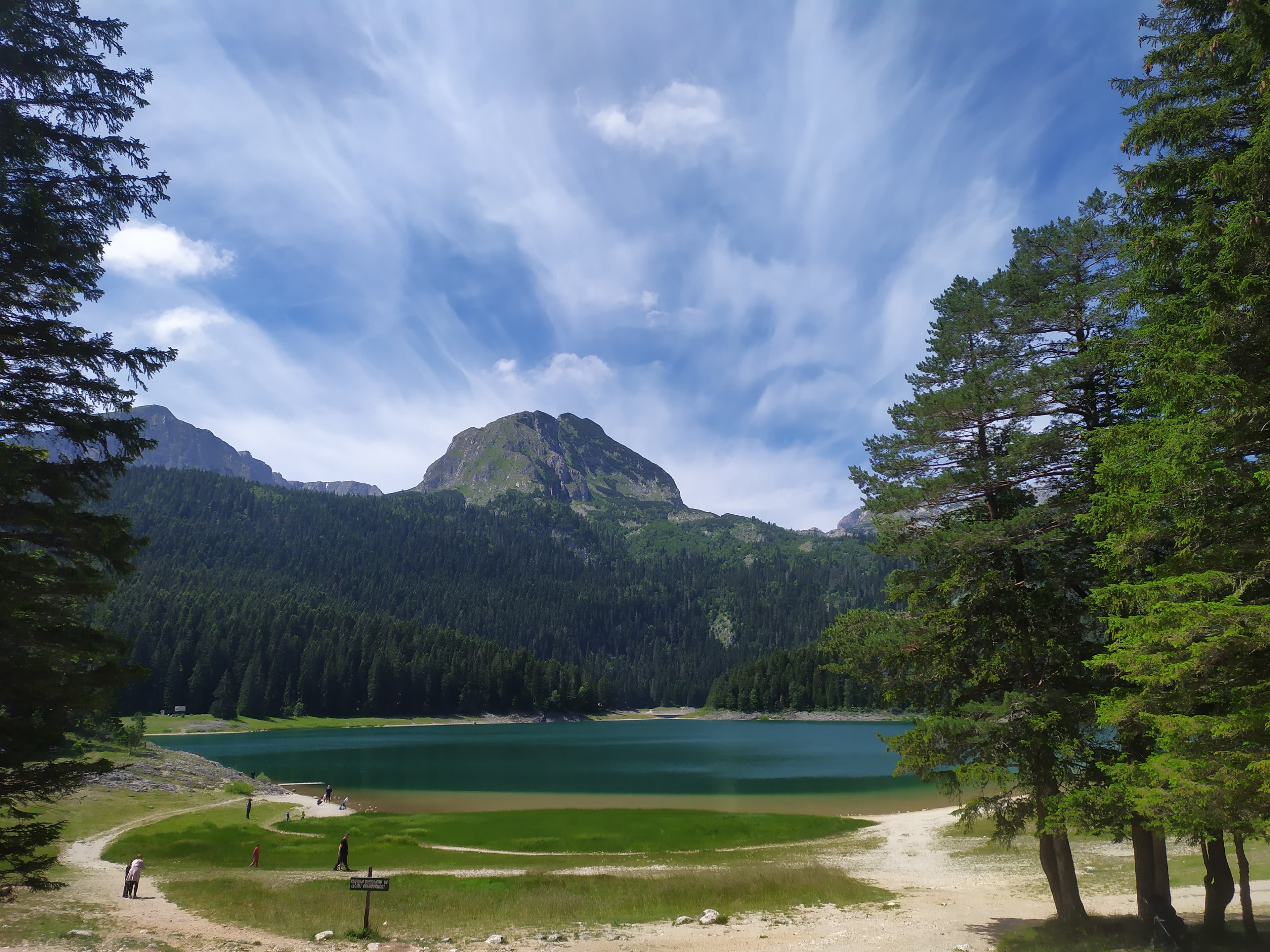
In Žabljak, Montenegro, on 18 September, Western Balkan ministers endorsed two regional frameworks for biodiversity and forest landscape restoration. Their 2030 goals include effectively conserving at least 30% of terrestrial, inland-water, marine and coastal areas, and restoring at least 20% of degraded ecosystems. [1]
These are commitments, not completed results. The Regional Cooperation Council confirms the endorsement and stresses that regional initiatives still need budgets and assigned responsibilities. The declaration also includes cooperation on climate adaptation and plastic waste. [2]
The bright side
Shared priorities and targets provide a basis for coordinating action across borders. Measuring ecosystem recovery will be the meaningful test. [1][2]
One idea, in simple words
On 18 September, in Montenegro, ministers from the Western Balkans approved two plans to protect nature. They concern biodiversity, which means the variety of living things, and the recovery of damaged places. An ecosystem is an environment together with the living things that inhabit it. [1]
By 2030, they aim to protect at least 30% of land and water areas effectively and restore at least 20% of damaged ecosystems. These are goals, not work already completed. Money and responsibility for carrying out the plans still need to be assigned. [1][2]
An invented example: a class decides to improve its school garden. Writing a plan is useful, but it then needs materials, people and checks on how the plants grow. Similarly, judging these plans will mean looking at real changes in nature. [2]
A little discovery to keep
What did you discover?
Straight from the source.
- Western Balkans ministers endorse two regional nature frameworks IUCN · 18 Sept 2026
- Western Balkans Six endorse the 2026 Green Agenda Ministerial Declaration in Žabljak Regional Cooperation Council · 18 Sept 2026
Original reporting summaries prepared with AI assistance and accessible sources. Our editorial method.