News dated
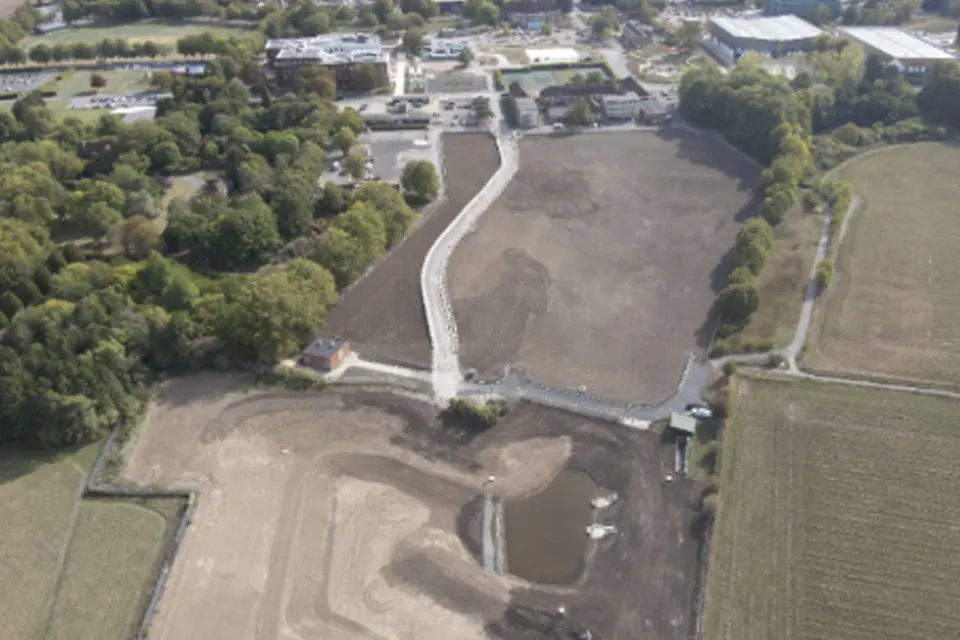
On 5 November, ENEA presented CoDeC, the Calculation of Coastal Degradation tool, developed with Cnr and ISPRA. It estimates the economic and environmental consequences of erosion by considering beach changes, infrastructure and sediment. Its first test concerns San Lucido on Calabria’s Tyrrhenian coast; this is not a completed beach-replenishment project. [1]
According to ENEA’s account, historical imagery and satellite data show that the exposed beach area shrank by more than 60% between 1954 and 2018. The model estimates around €12.5 million to add roughly 540,000 cubic metres of sediment; costs and quantities depend on assumptions and material sources. Real-time monitoring and machine-learning additions are future developments, not features already reported as operational. [1]
The bright side
Making estimates explicit can help compare coastal-protection choices while recognising their costs and limitations. [1]
One idea, in simple words
A beach can become smaller when it loses sand. This process is called erosion. ENEA, Cnr and ISPRA developed CoDeC, a tool that helps estimate the effects and costs of possible action. It was tested at San Lucido in Calabria, and ENEA presented it on 5 November. It considers how the beach changes and which infrastructure is nearby. Beach replenishment means adding compatible sediment, such as sand, but this story concerns an estimate, not finished work. Imagine preparing a list of materials before repairing something: the calculation helps compare possibilities. Actual prices may change. The model does not stop waves and does not prove that the whole coast has been restored. It provides information to help people assess their options. [1]
A little discovery to keep
What did you discover?
Straight from the source.
- Ambiente: ENEA sviluppa con Cnr e ISPRA strumento per stimare impatto erosione costiera ENEA · 5 Nov 2026
Original reporting summaries prepared with AI assistance and accessible sources. Our editorial method.