News dated
Elias 2-24 b is less than a million years old, according to NASA. Still embedded in its star’s gas and dust disk, it offers a chance to study a planet growing. [1]
The team reanalysed Keck observations from 2018 and 2020, comparing them with VLT and ALMA data. The signal was consistent with a forming planet. Further measurements will help clarify its mass, atmosphere and growth. [2]
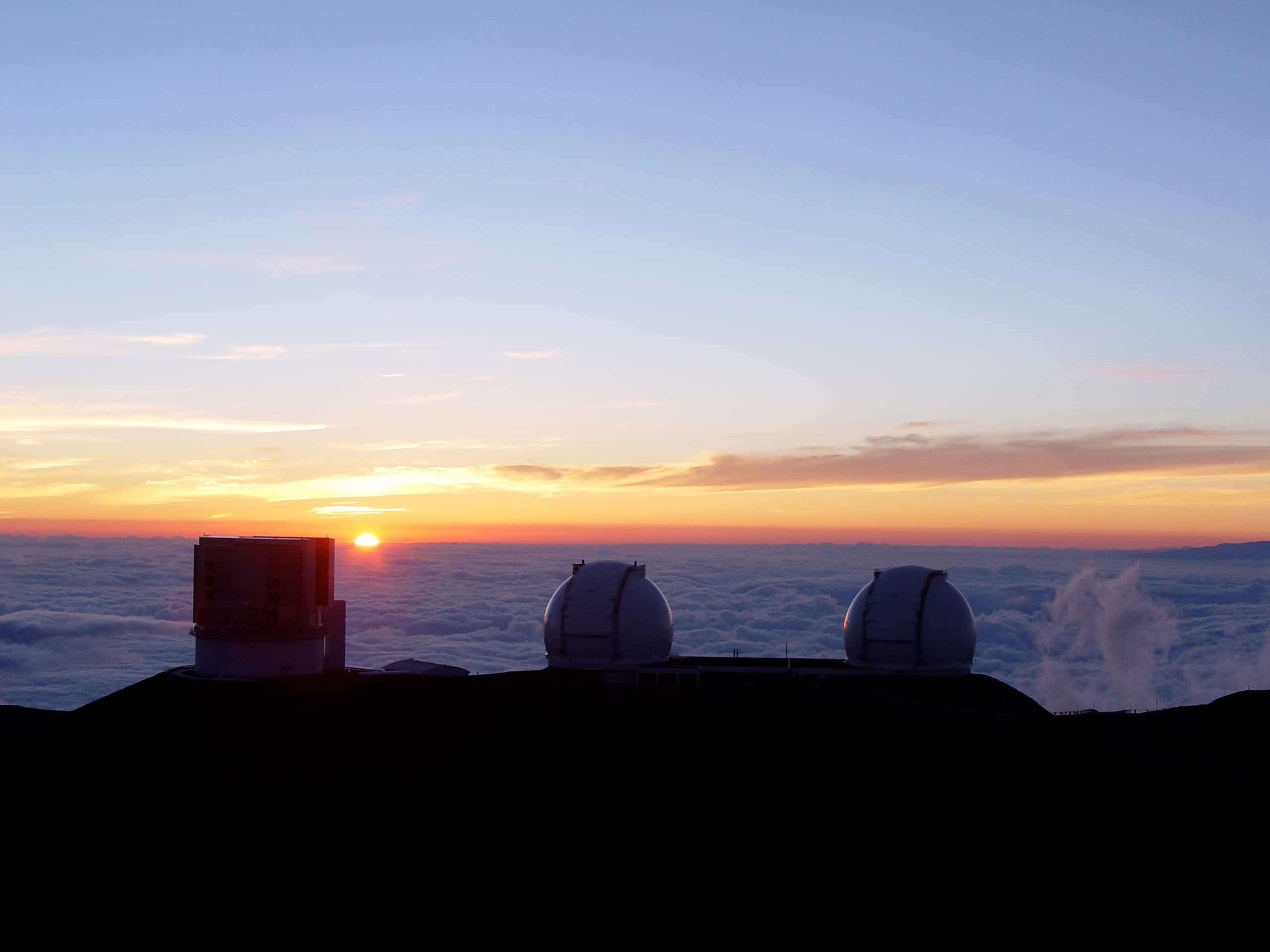
The NIRC2 camera on the Keck II telescope observes infrared light, which our eyes cannot see, and works with a system that sharpens images. Different instruments and preserved observations allow researchers to revisit the same questions. [3]
The bright side
Archives do not just store finished results: new analysis can uncover knowledge in measurements already collected. [5]
One idea, in simple words
An exoplanet is a planet outside our Solar System, the family of worlds that includes Earth. These planets are very far away: even the nearest ones are not places we can visit today. Scientists learn about them by studying light. [4]
A special discovery was reported on 16 September. Elias 2-24 b is a very young planet still growing among gas and dust. Researchers found useful evidence in observations stored for years. [1]
Imagine looking through old photographs and noticing a detail you missed before. A scientific archive makes similar work possible: it stores data that researchers can search, download and analyse again. Keck’s archived observations support research into planets and stars, among other subjects. [5]
A little discovery to keep
What did you discover?
Straight from the source.
- Newfound ‘Baby’ Planet Smashes Record for Youngest Known World NASA · 16 Sept 2026
- Youngest Exoplanet Yet Discovered Found Hiding in Keck Observatory Data W. M. Keck Observatory · 16 Sept 2026
- NIRC2 — Near-infrared Camera, Second Generation W. M. Keck Observatory · No publication date provided
- Exoplanets NASA · No publication date provided
- KOA — Keck Observatory Archive Caltech / IPAC · No publication date provided
Original reporting summaries prepared with AI assistance and accessible sources. Our editorial method.