News dated
On 28 September, FAO presented The State of the World’s Forests 2026, or SOFO. Its public summary proposes four directions: strengthen communities’ voices and rights, work across whole landscapes, provide suitable restoration finance and make policies consistent. This does not announce that the problem is solved. It offers a framework for organising the work. [1]
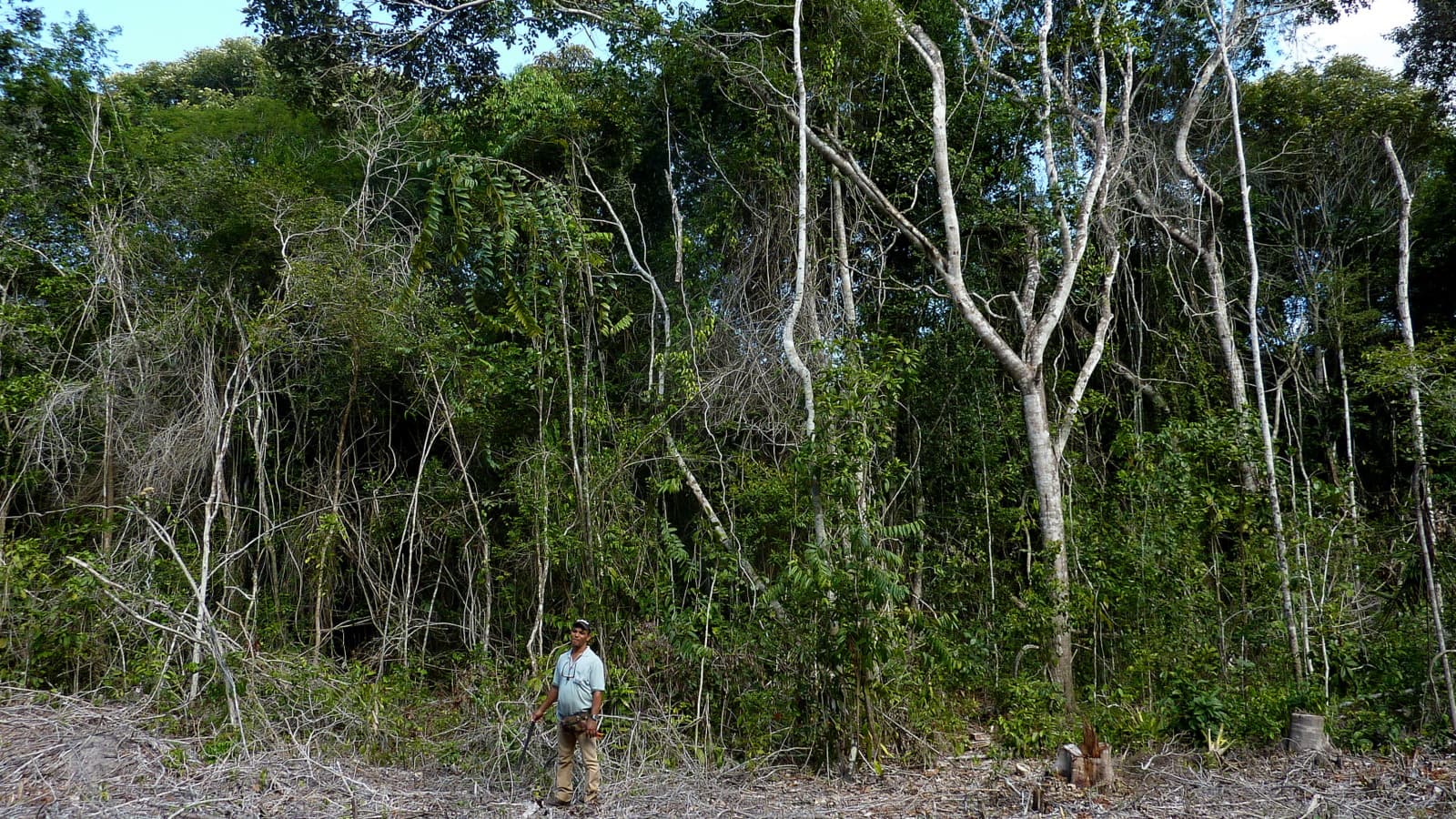
Restoring a degraded landscape means helping it recover ecological functions alongside benefits for people who live there. FAO’s programme considers forests, trees and other uses of the land, rather than just a row of seedlings. In our example, an imaginary project would consider a woodland, neighbouring fields and community needs together, instead of treating them as separate worlds. [2]
The report’s presentation cites 206.5 million hectares of forest currently under restoration. “Under way” does not mean “already recovered”. FAO considers progress insufficient and calls for sustained commitments and investment. We are reporting its official launch summary, not an independent assessment of individual projects. [1]
The bright side
The useful idea is caring for landscapes in a way that includes both ecosystems and people. Monitoring projects then helps distinguish intentions from results. [2][3]
One idea, in simple words
A forest is more than a group of trees. The land and the people living nearby matter too. Restoring a landscape means helping a damaged place recover its functions while considering the people who use it. In our example, imagine a woodland beside some farm fields. A project should look at the whole area, rather than just choose where to plant seedlings. [2]
On 28 September, FAO, the United Nations organisation concerned with food and agriculture, presented a report about forests. It proposes involving communities and supporting the work over time. Its summary also describes forests where restoration is under way. Those words matter: work that has started is not necessarily finished. To understand the results, people need to check how a project is progressing. [1][3]
A little discovery to keep
What did you discover?
Straight from the source.
- FAO report: Restoring forests and landscapes is critical to meeting global food security and development goals FAO · 28 Sept 2026
- Forest and Landscape Restoration Mechanism FAO · No publication date provided
- Background — Forest and Landscape Restoration Mechanism FAO · No publication date provided
Original reporting summaries prepared with AI assistance and accessible sources. Our editorial method.

.jpg)
