News dated
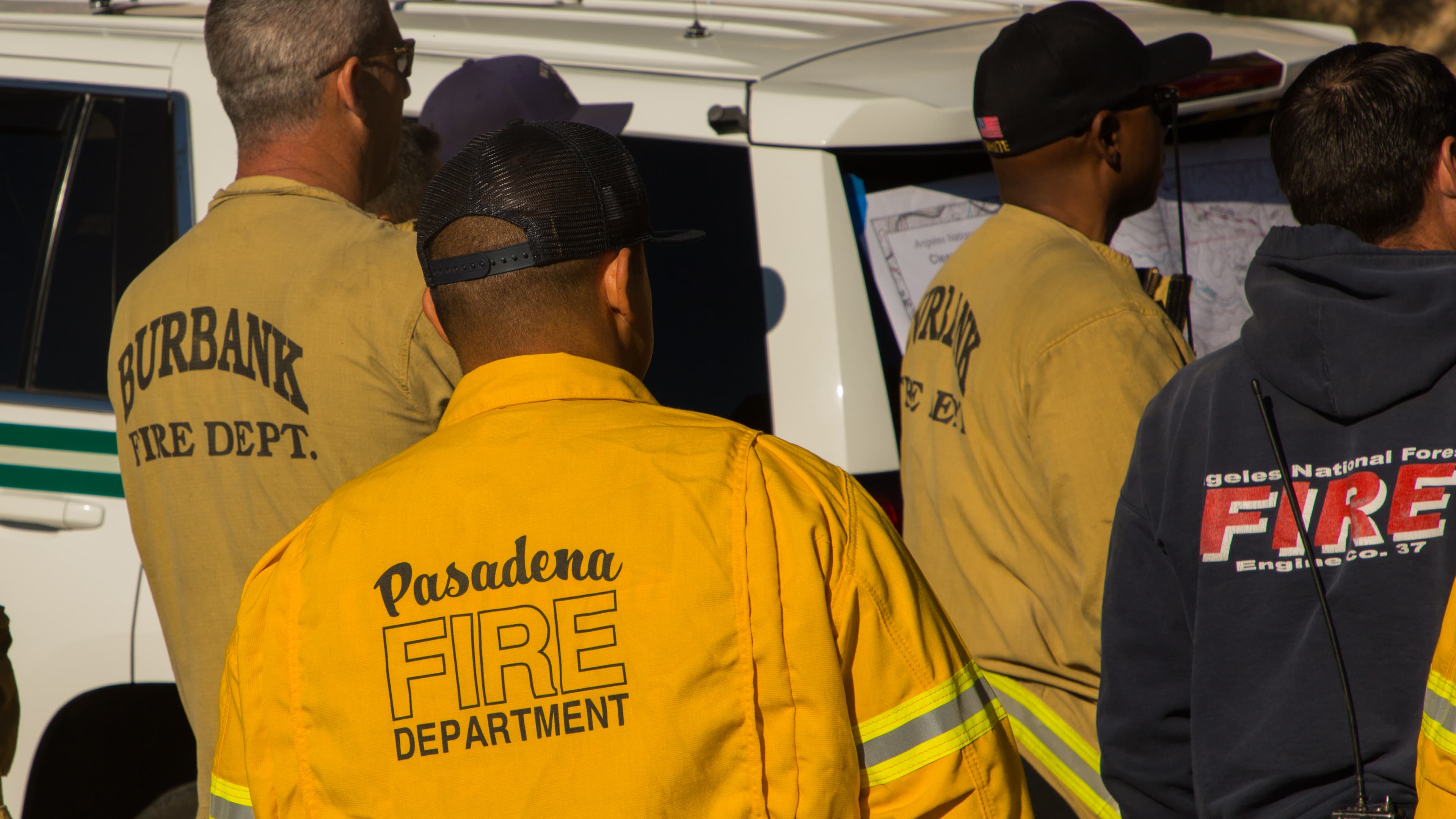
On 25 September, FAO published a guide to assess and improve how countries organise fire management. It addresses rules, responsibilities and cooperation between institutions and communities. It is not an announcement that a new system has already reduced the area burned. [1]
Integrated management brings together prevention, preparation, response and recovery. The guide suggests defining the problem, examining institutions and interests, and choosing workable priorities. Plans must suit the landscape and include people who live there; the document also considers local and Indigenous knowledge. [1][2]
FAO reports that the approach was tested in workshops in Ghana, Ecuador and Cambodia in November and December 2025. The publication is voluntary and intended to evolve through further experience. The tangible step is a shared tool for identifying gaps and agreeing action; its effectiveness will depend on subsequent decisions and work. [1][2]
The bright side
The guide helps clarify roles and priorities before an emergency, connecting expertise that often operates separately. [2]
One idea, in simple words
Putting out a wildfire is urgent. But protecting a place also takes work before and after the flames. On 25 September, FAO, the United Nations organisation working on food and farming, presented a guide to help countries organise that work. It asks people to identify who makes decisions, which rules apply and what communities need. For example, imagine a local council and farmers agreeing who should alert whom: that is our example of working together. The guide brings together prevention, preparation, emergency action and helping nature recover. It is voluntary, so countries are not forced to follow it. Publishing it provides a tool; it does not mean fires have already become less frequent. [1][2]
A little discovery to keep
What did you discover?
Straight from the source.
- FAO guidance aims to strengthen global wildfire resilience FAO · 25 Sept 2026
- Guide to Integrated Fire Management Governance Assessment — Moore, Cottebrune-Merillon, Guerra & Duchelle (2026) FAO · 25 Sept 2026
Original reporting summaries prepared with AI assistance and accessible sources. Our editorial method.
.jpg)
