News dated
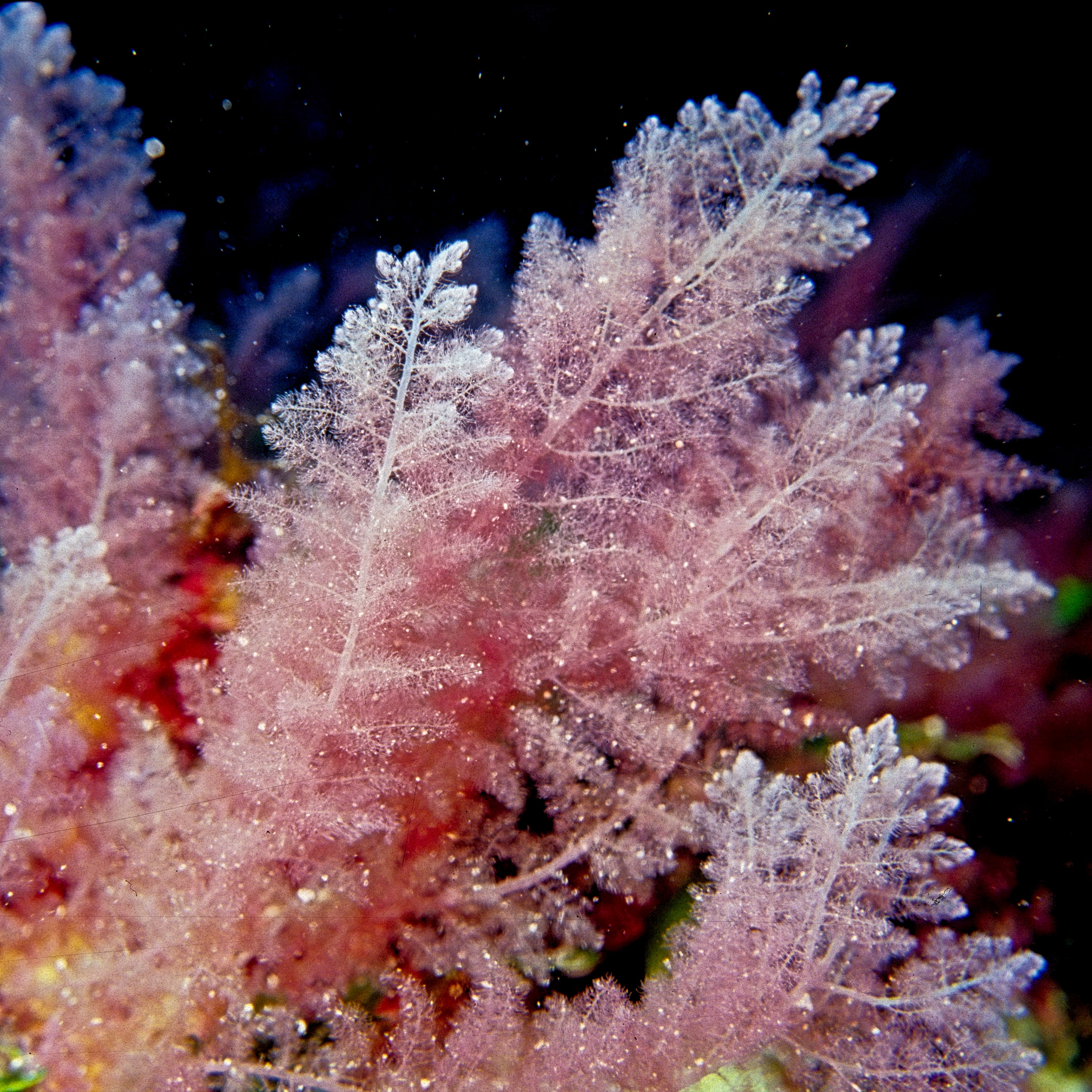
The University of the South Pacific holds around 3,000 algae specimens in Fiji: a collection used to study marine biodiversity. A UNESCO project page published on 23 September presents an initiative led by Auckland Museum, with the university and support from Japan, to protect it better. [1]
Plans include high-resolution photographs, cataloguing and image backups in several locations. Staff training, physical protection for specimens and a disaster response plan are also included. Cyclones and power failures can threaten the conditions needed to preserve the collection. [1]
These are the project’s stated goals: the page does not confirm that all specimens have already been digitised. Photographs can preserve information and make research easier, but they do not replace efforts to safeguard the originals. [1]
The bright side
Protection brings digital tools and physical care together: making knowledge less vulnerable takes both secure copies and people equipped to look after the collection. [1]
One idea, in simple words
Algae are organisms that mostly live in water. In Fiji, islands in the Pacific Ocean, a university keeps around three thousand specimens. A specimen is a sample kept for people to examine and study. The collection helps researchers understand life in the sea. [1]
The project presented by UNESCO on 23 September aims to take detailed photographs and store copies in several places. It also plans to protect the original specimens and train staff to deal with dangers. Storms and power cuts can damage the collection. [1]
For example, think of an important notebook. Photographing its pages helps if it gets damaged, but keeping it safe still matters. This project needs both kinds of protection. They are planned activities; that does not mean all the work is already finished. [1]
A little discovery to keep
What did you discover?
Straight from the source.
- Safeguarding Herbarium and Algal Specimens in Fiji UNESCO · 23 Sept 2026
Original reporting summaries prepared with AI assistance and accessible sources. Our editorial method.
.jpg)
