News dated
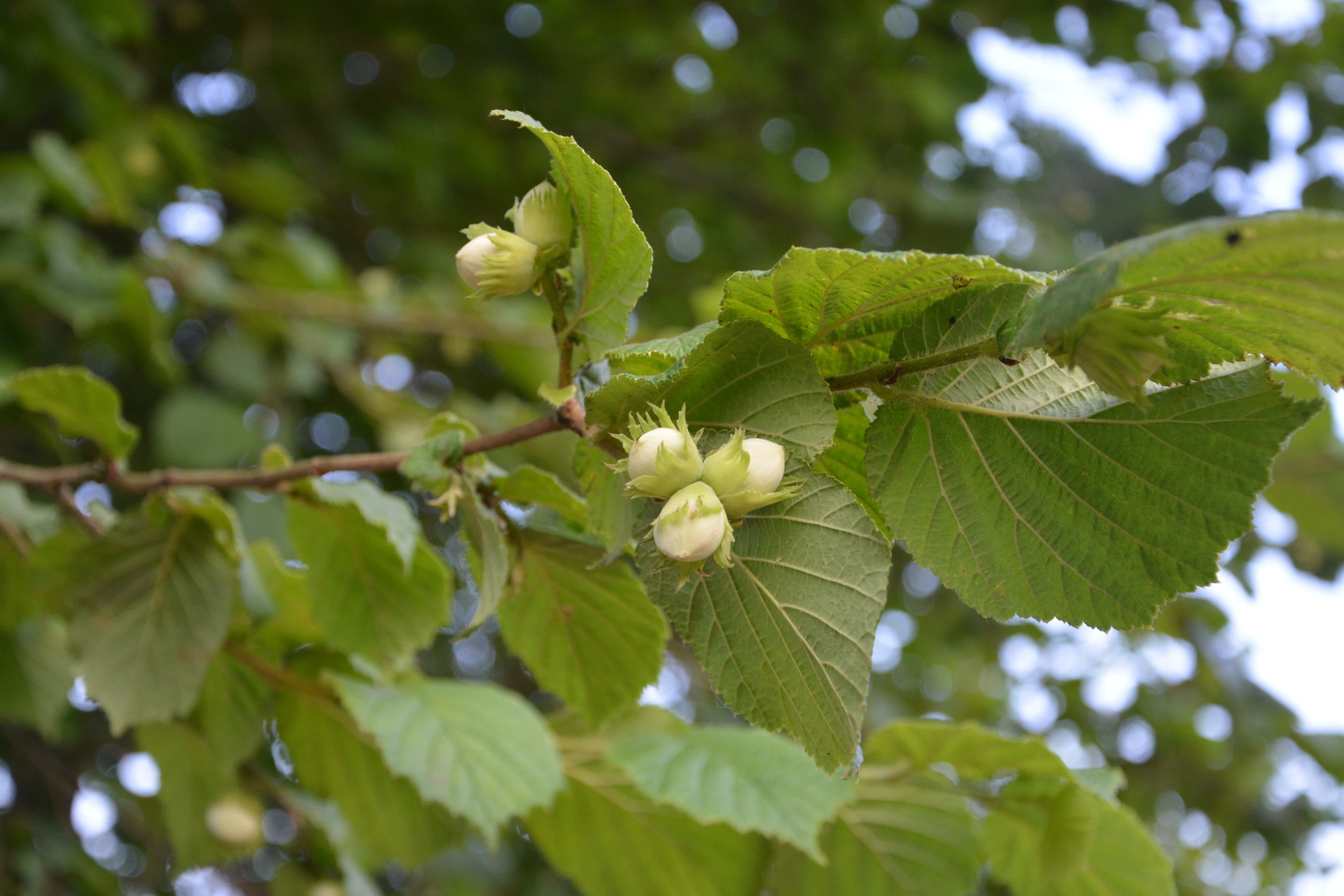
In a feature published on 28 September, FAO describes the work of Shete Kemoklidze, a hazelnut farmer in Georgia’s Kakheti region. After food-safety training, he bought a dryer with a matching grant from ENPARD IV, funded by the European Union and Sweden. Its furnace uses hazelnut shells as fuel. [1]
Drying removes moisture: poor handling after harvest can encourage mould and aflatoxins, toxic substances that make the crop unusable. The programme supports small and medium-sized growers with training and equipment grants. Buying a machine alone does not remove every risk. [1][2]
According to the feature, Kemoklidze and other grant recipients also dry their neighbours’ hazelnuts. This is a concrete example of shared equipment and waste reuse, rather than a measurement of Georgia’s overall reduction in food losses: the source provides no before-and-after comparison. [1]
The bright side
Shells become a resource for drying, and equipment can serve several farms, alongside sound practices throughout processing. [1][2]
One idea, in simple words
In Georgia, a country between Europe and Asia, a farmer uses a machine to dry hazelnuts after harvest. It is called a dryer: it removes moisture, meaning water left in the crop. The machine’s furnace burns hazelnut shells that used to be waste. FAO described this example on 28 September. [1]
To understand reuse, imagine a workshop finding a second job for its leftovers. Here, shells provide heat to help prepare more hazelnuts. The farmer received training and a grant towards the equipment. The machine also dries neighbours’ harvests. But it does not make every danger disappear: good practices are needed during harvesting, processing and storage. The report does not say how much food waste has fallen across the whole country. [1][2]
A little discovery to keep
What did you discover?
Straight from the source.
- Cutting food loss in a nutshell FAO · 28 Sept 2026
- EU ENPARD Grants – SP7: Support package for small and medium-sized hazelnut producers EU for Georgia · No publication date provided
Original reporting summaries prepared with AI assistance and accessible sources. Our editorial method.