News dated
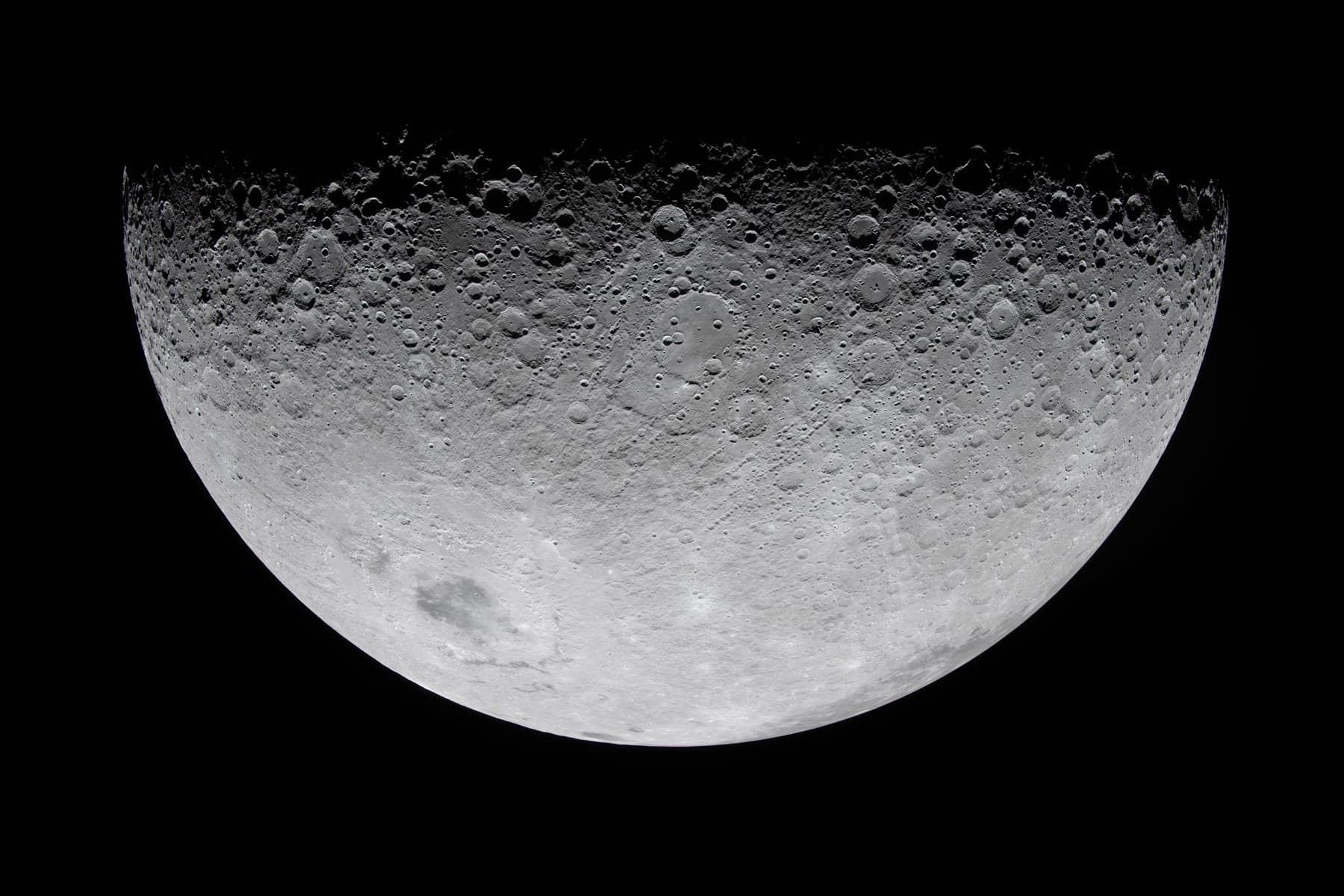
On October 7, NASA published the preliminary Artemis II lunar science report. It brings together photographs, recordings and observations from the April 6, 2026 lunar flyby: the new development is the release of results, not another journey. The crew reported five faint impact flashes while viewing the Moon under particularly dark conditions. [1]
The document also describes colour differences on the surface, which researchers can compare with spacecraft imagery and other measurements. Human observations add details and questions; the report is preliminary and cannot by itself establish every cause or characteristic of the impacts. NASA presents the material as a resource for analysis and planning future missions. [1]
The bright side
Making images and observations accessible lets researchers keep learning from a flyby that has already taken place: its scientific value can grow after the crew returns. [1]
One idea, in simple words
The Artemis II astronauts observed the Moon during their flyby on April 6, 2026. On October 7, NASA published a report with images, recordings and notes from that journey. A preliminary report presents early analysis: scientists can still check, compare and investigate what they saw. The observations include five faint flashes associated with impacts on the lunar surface. [1]
Imagine, as an editorial example, photographing a plant every day and then giving the photographs and notes to a classmate. Even after taking the pictures, you can discover details by comparing them together. Something similar is happening here, with much more complex instruments and questions. The news concerns new material to study, not a new journey towards the Moon. [1]
A little discovery to keep
What did you discover?
Straight from the source.
- Artemis II Preliminary Lunar Science Report NASA · 7 Oct 2026
Original reporting summaries prepared with AI assistance and accessible sources. Our editorial method.


.jpg)