News dated
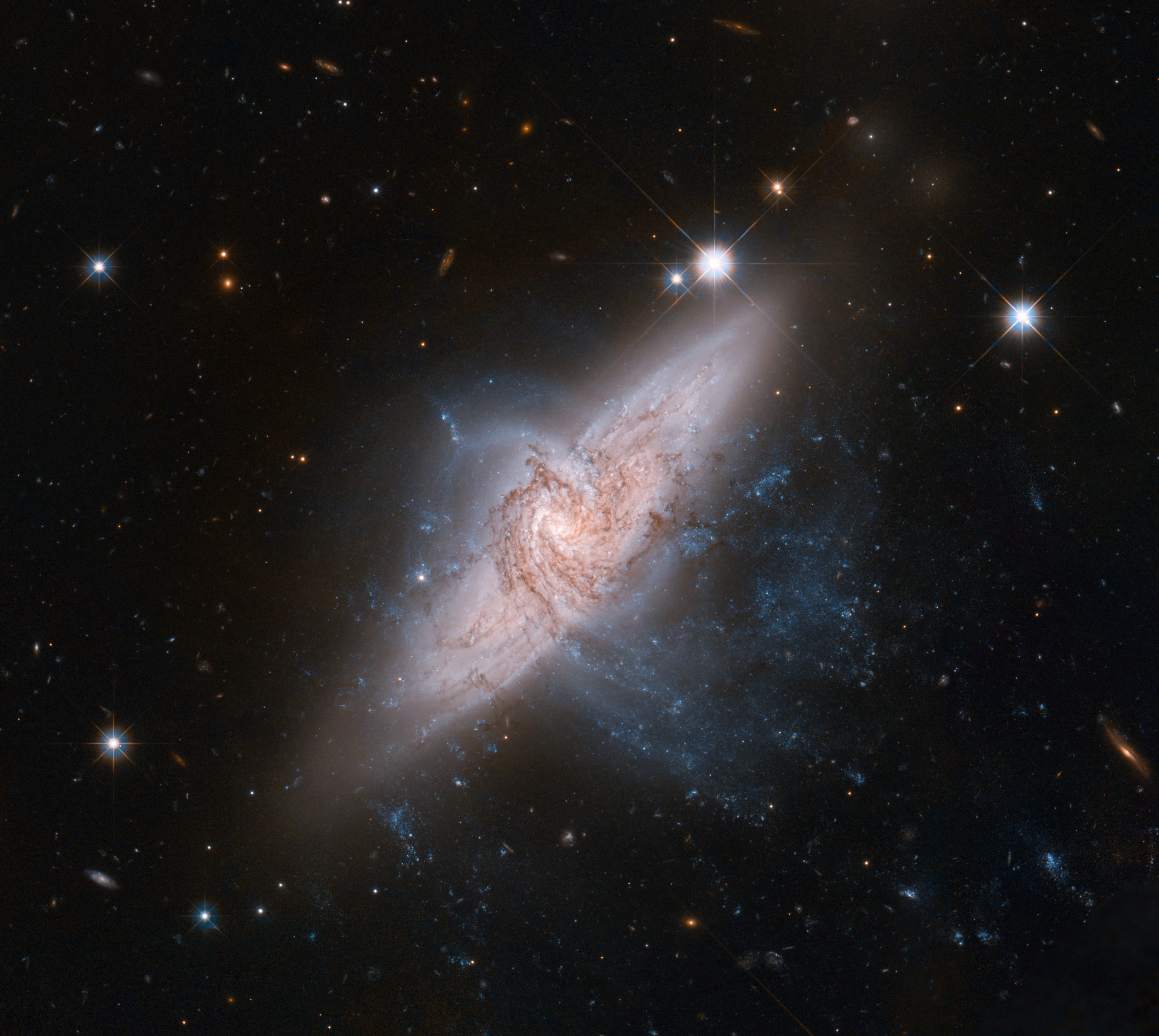
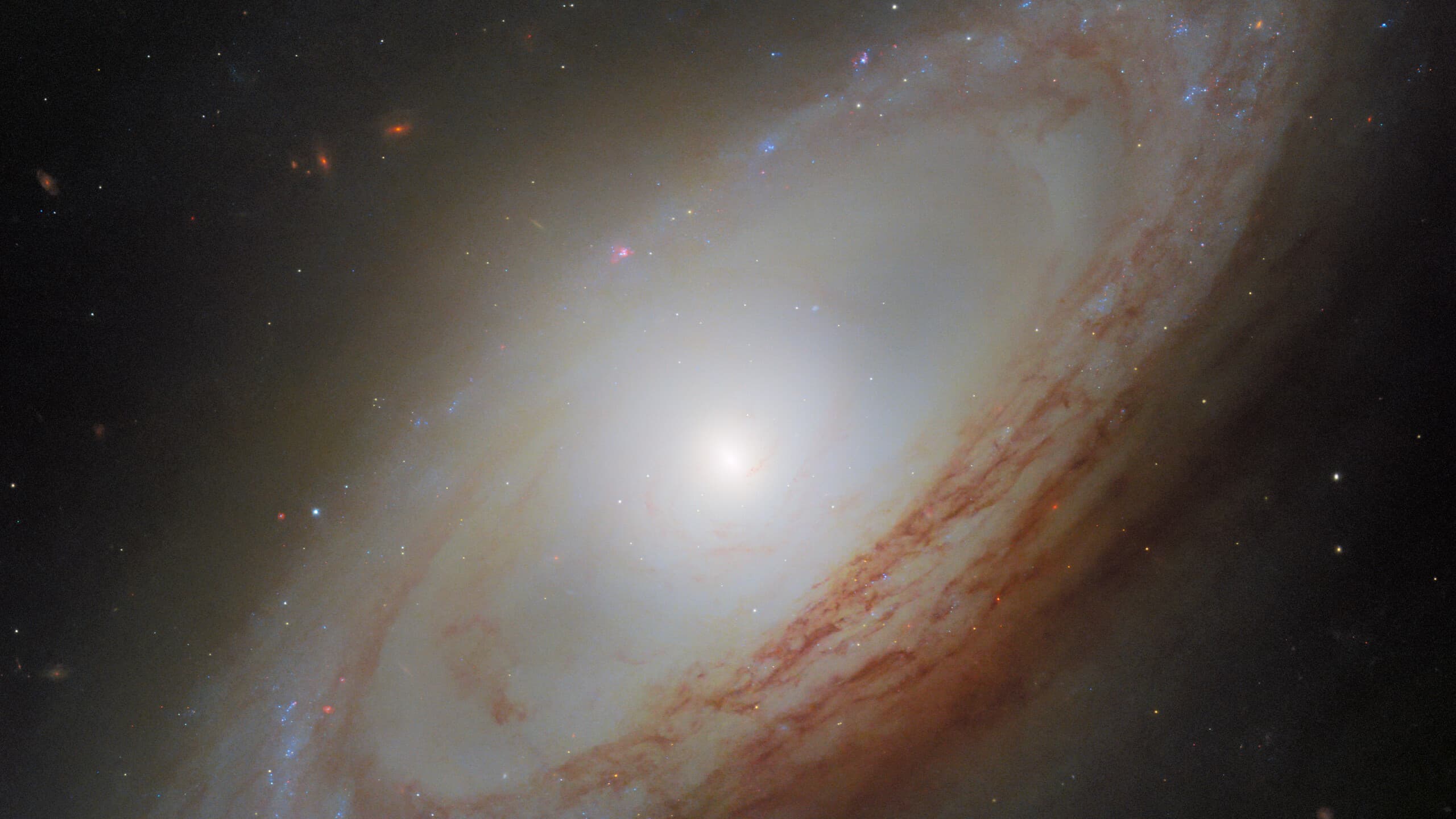
On 18 September, NASA and ESA/Hubble published a new image of NGC 4698, about 55 million light-years away. Its spiral arms circle the centre like a ring, while the central bulge extends at right angles to the disc. [1][2]
Stars and gas nearest the centre also rotate in a plane perpendicular to the rest of the galaxy. Gas arriving from outside is one possible explanation; some evidence suggests a past minor merger, without establishing it as certain. [2]
The observations belong to a programme studying galaxies in the Virgo Cluster. They will help investigate how the cluster environment affects their evolution and star formation. The new release is the image, not the discovery of the galaxy. [1][2]
The bright side
Detailed data let researchers compare explanations of galactic history: an attractive image also becomes a research tool. [2]
One idea, in simple words
A galaxy is an enormous collection of stars, gas and dust. On 18 September, NASA and ESA/Hubble published a new image of the galaxy NGC 4698. Its arms make something like a ring around the centre. Scientists already knew this galaxy: the image is what is new. [1]
Near the centre, stars and gas spin in a different plane from the rest of the galaxy: the planes meet at a right angle. Gas may have arrived from outside. Astronomers, the scientists who study space, are looking for evidence to understand what happened. [2]
Here is an invented example to help you picture it: put one sheet of paper flat on a table and stand another upright, like a wall. They show planes at a right angle. This is a small model, not the galaxy’s exact shape. [2]
A little discovery to keep
What did you discover?
Straight from the source.
- NASA’s Hubble Spots an Out-of-Sync Galaxy NASA · 18 Sept 2026
- A galaxy spinning out of sync ESA/Hubble · 18 Sept 2026
Original reporting summaries prepared with AI assistance and accessible sources. Our editorial method.