News dated
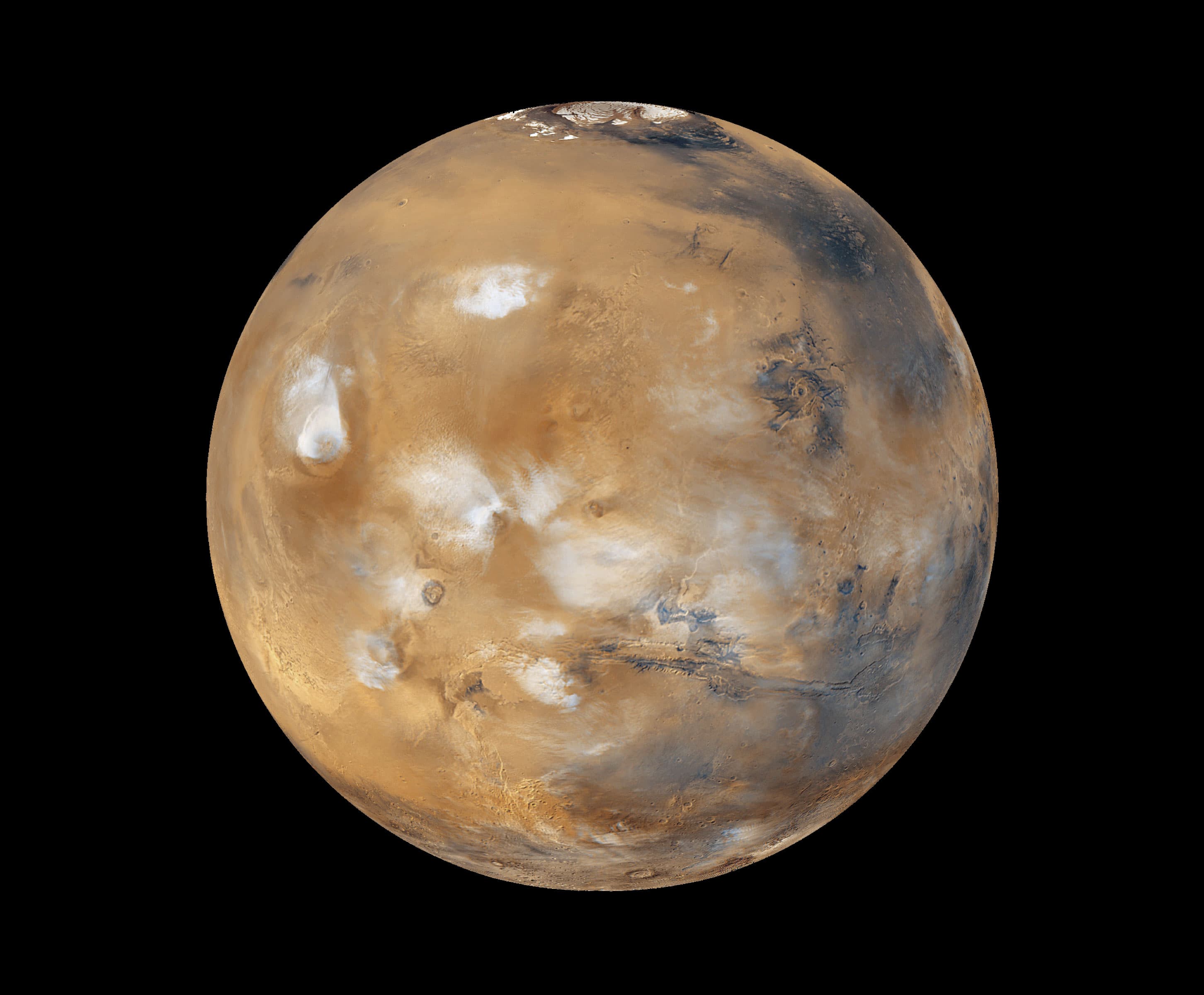
ESA identifies 30 September 2026 as the start of a new year on Mars, conventionally tied to the planet’s northern spring equinox. This is an astronomical reference, not a celebration observed by Martian residents. [1]
NASA puts a Martian orbit around the Sun at about 687 Earth days. Mars also has seasons, which last longer than ours. One rotation takes about 24.6 hours. [2]
The bright side
A calendar gives us a practical way to compare how planets move. [1][2]
One idea, in simple words
On Earth, our calendar year changes in January. Scientists use a different calendar for Mars: ESA identifies 30 September 2026 as the start of a new Martian year. The date follows the start of spring in the planet’s northern half. A year is the time needed to travel once around the Sun. Mars takes about 687 Earth days, says NASA: much longer than Earth. Imagine two counters travelling on different tracks around the same lamp. They do not have to finish a lap at the same time. This is a model to think with, not a scale copy of the Solar System. A Martian calendar describes Mars using its own timing. [1][2]
A little discovery to keep
What did you discover?
Straight from the source.
- Happy New Year on Mars ESA · 30 Sept 2026
- Mars Facts NASA · No publication date provided
Original reporting summaries prepared with AI assistance and accessible sources. Our editorial method.