News dated
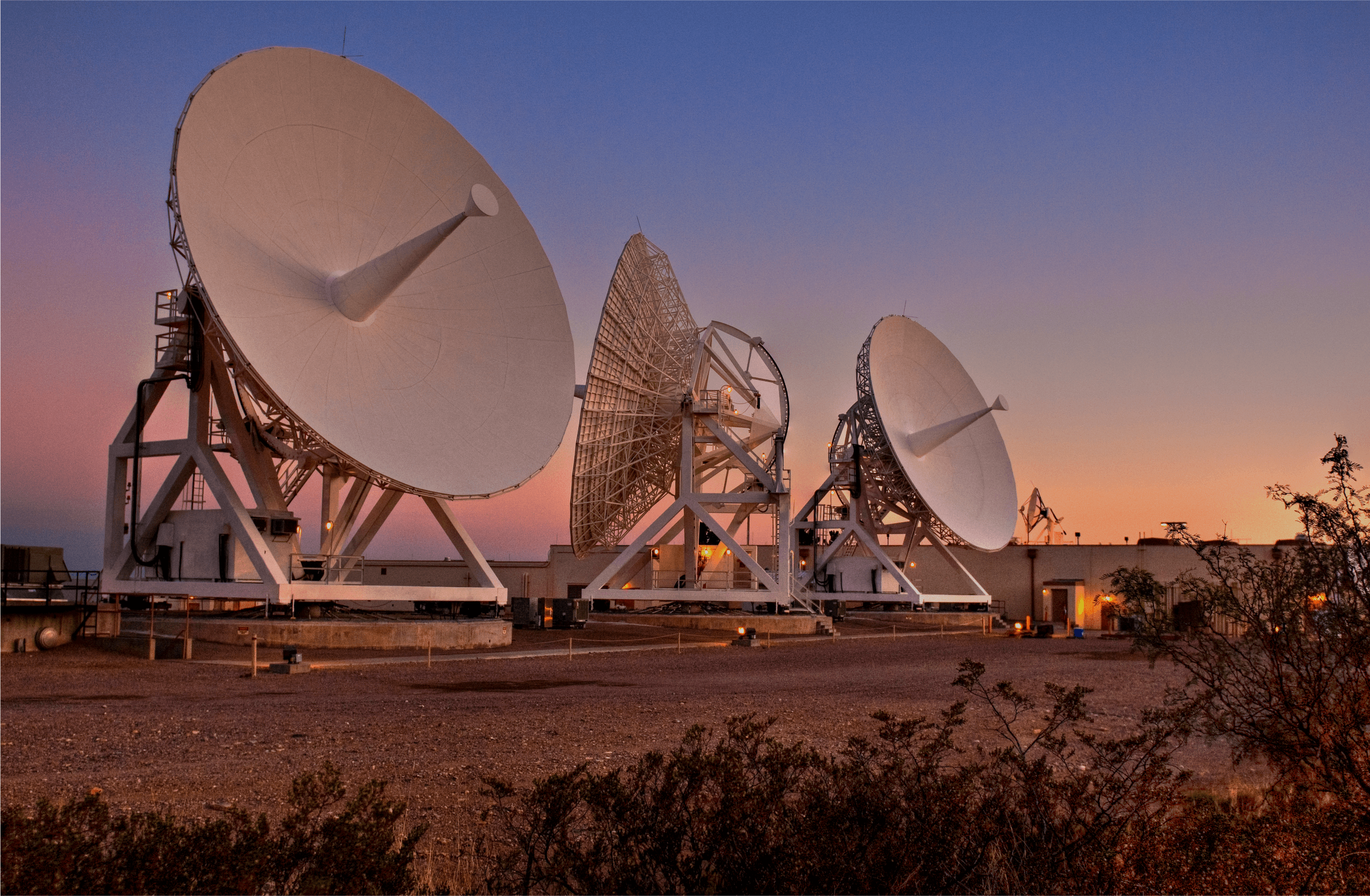
In a report published on 25 September, NASA confirms that the ground stations intended to receive Roman’s science data have passed their tests. Checks took place from 7 to 17 September: first in Japan, then at White Sands in New Mexico, and finally near New Norcia in Australia. [1]
The network brings together NASA, JAXA and ESA antennas and tested links at up to 500 megabits per second, a measure of how much data moves over time. The mission expects to receive around 1.4 terabytes a day once science operations begin, which NASA places by early 2027. [1]
Rain and link conditions can weaken the signal. The distributed network and a system that requests missing data again are designed to manage these interruptions. The achievement concerns communication capacity verified in tests; it does not mean the entire science campaign has already taken place. [1]
The bright side
An observation becomes useful when its data reaches researchers. These tests confirm an operational step in that international chain. [1]
One idea, in simple words
A space telescope must send what it observes back to Earth. Receiving its data takes antennas: large instruments that collect signals. On 25 September, NASA said the antennas prepared for Roman had passed their tests. The checks took place between 7 and 17 September in Japan, the United States and Australia. [1]
As an example, think of a friend sending you lots of photographs. Taking the pictures is not enough: the message must arrive. Roman follows the same idea, with much more complex equipment. If rain disrupts the link, the system can ask for missing data to be sent again. The tests check this ability to communicate. They do not mean that all the planned scientific observations have already been made. [1]
A little discovery to keep
What did you discover?
Straight from the source.
- NASA’s Roman Team Confirms Ground Stations Receiving Data NASA · 25 Sept 2026
Original reporting summaries prepared with AI assistance and accessible sources. Our editorial method.