4 THINGS WORTH KNOWING /

Little Discoveries

Design · Philosophy · Plants · Curiosities. 4 discoveries in this edition.

Illustrated interpretation of a red Panton Chair: one continuous shell forms its back, seat and base, beside paper and a pencil.
Positive Times · ImageGen · AI-assisted illustration

Verner Panton, a chair in one piece

Verner Panton imagined a cantilever chair made from a single element. The Panton Chair was presented to the public in August 1967: backrest, seat and support became parts of a continuous shape, rather than an assembly of separate pieces. [1]

Getting there took years of trials with Vitra. The manufacturer describes how early versions changed material and production technique; an apparently simple shape raised very practical questions about strength and manufacturing. [2]

Take this with youAn exercise from our editors: follow the chair’s outline with your eyes. Then imagine how many decisions it takes to make that curve look inevitable.

Read the sources (2)
  1. Panton Chair Verner Panton Design AG · accessed 13 Sept 2026
  2. Panton Chair Vitra · accessed 13 Sept 2026
Read the discovery
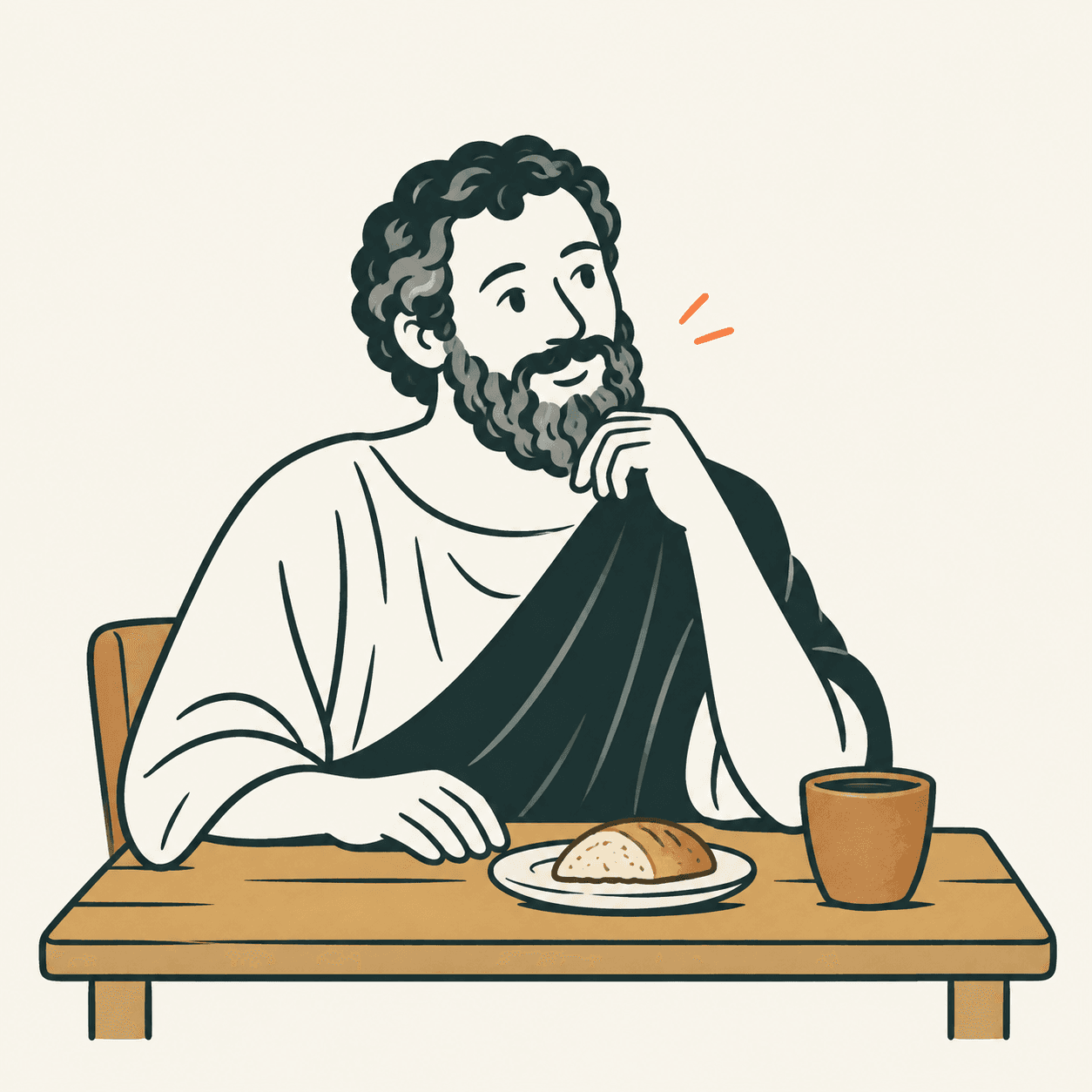
Interpretive portrait of Epicurus, with curly hair and a beard, sitting at a table with bread and a cup of water.
Positive Times · ImageGen · AI-assisted illustration

Epicurus and the pleasure of enough

In the Letter to Menoeceus, Epicurus connects a pleasant life with freedom from physical pain and mental disturbance. His example is concrete: bread and water can bring great pleasure to someone who is hungry, without any need for a banquet. [1]

Distinguishing necessary, merely natural and empty desires helps us think through choices. In the Stanford Encyclopedia of Philosophy’s reading, multiplying desires can increase the very agitation we are hoping to remove. [2]

Take this with youA suggestion from our editors: choose something pleasant already available today and give it your attention. The purchasing department can wait five minutes.

Read the sources (2)
  1. Letter to Menoeceus The Internet Classics Archive · MIT · accessed 13 Sept 2026
  2. Epicurus Stanford Encyclopedia of Philosophy · accessed 13 Sept 2026
Read the discovery
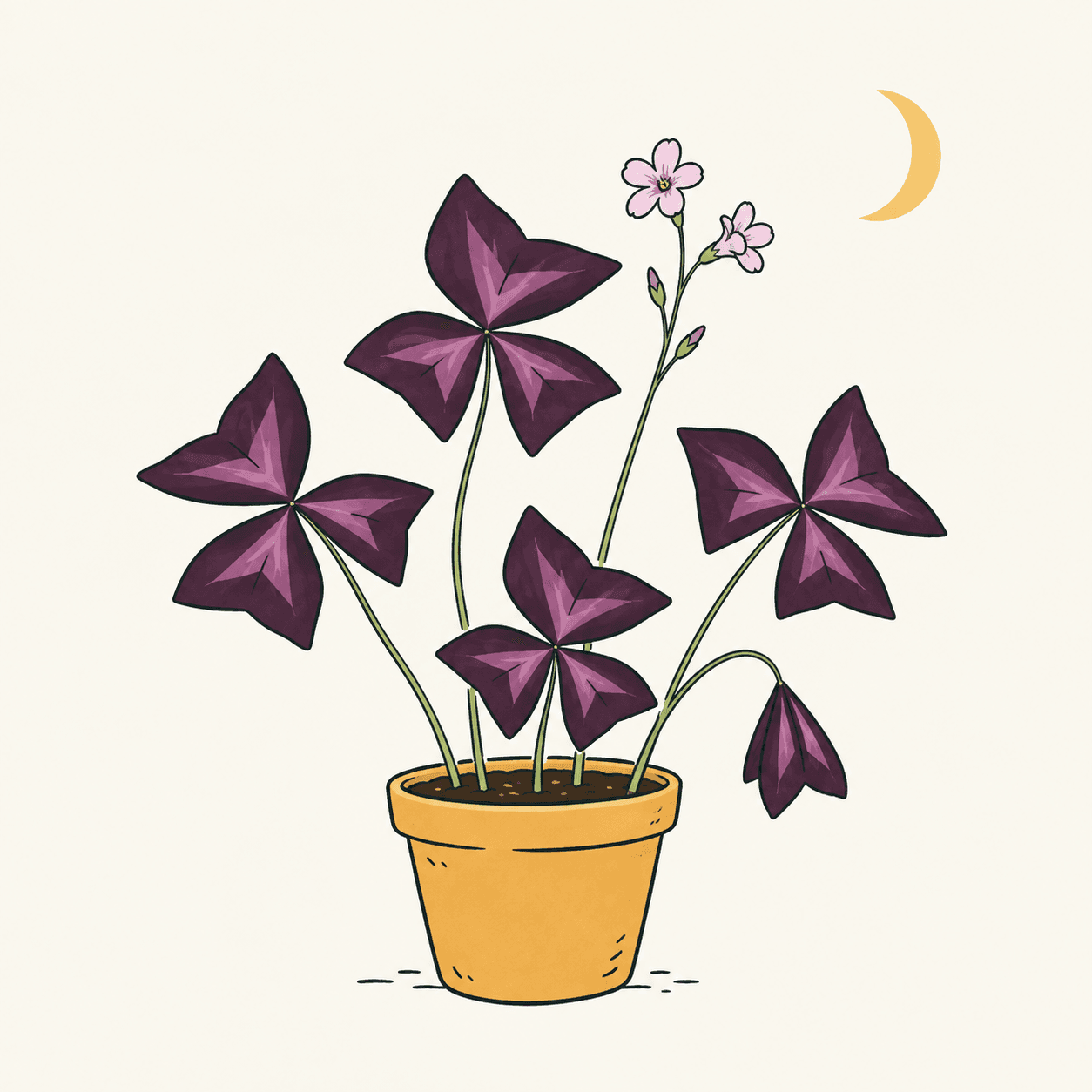
Potted Oxalis triangularis with purple leaves composed of three leaflets, one folded leaf and small pink flowers; a crescent moon suggests evening.
Positive Times · ImageGen · AI-assisted illustration

Oxalis triangularis folds up for the evening

Oxalis triangularis has leaves made of three leaflets, which can be green or deep purple. North Carolina State University describes their nightly closure; the small white or pink flowers also close at night. [1]

The Royal Horticultural Society describes its clump-forming habit and triangular leaflets. Flowers appear on slender stems above the foliage: a useful detail for recognising the plant beyond the outline of something that resembles clover. [2]

Take this with youA suggestion from our editors: observe the same leaf before and after sunset, without touching it. A change of position can deserve more attention than a notification.

Read the sources (2)
  1. Oxalis triangularis North Carolina State University · Extension Gardener Plant Toolbox · accessed 13 Sept 2026
  2. Oxalis triangularis Royal Horticultural Society · accessed 13 Sept 2026
Read the discovery
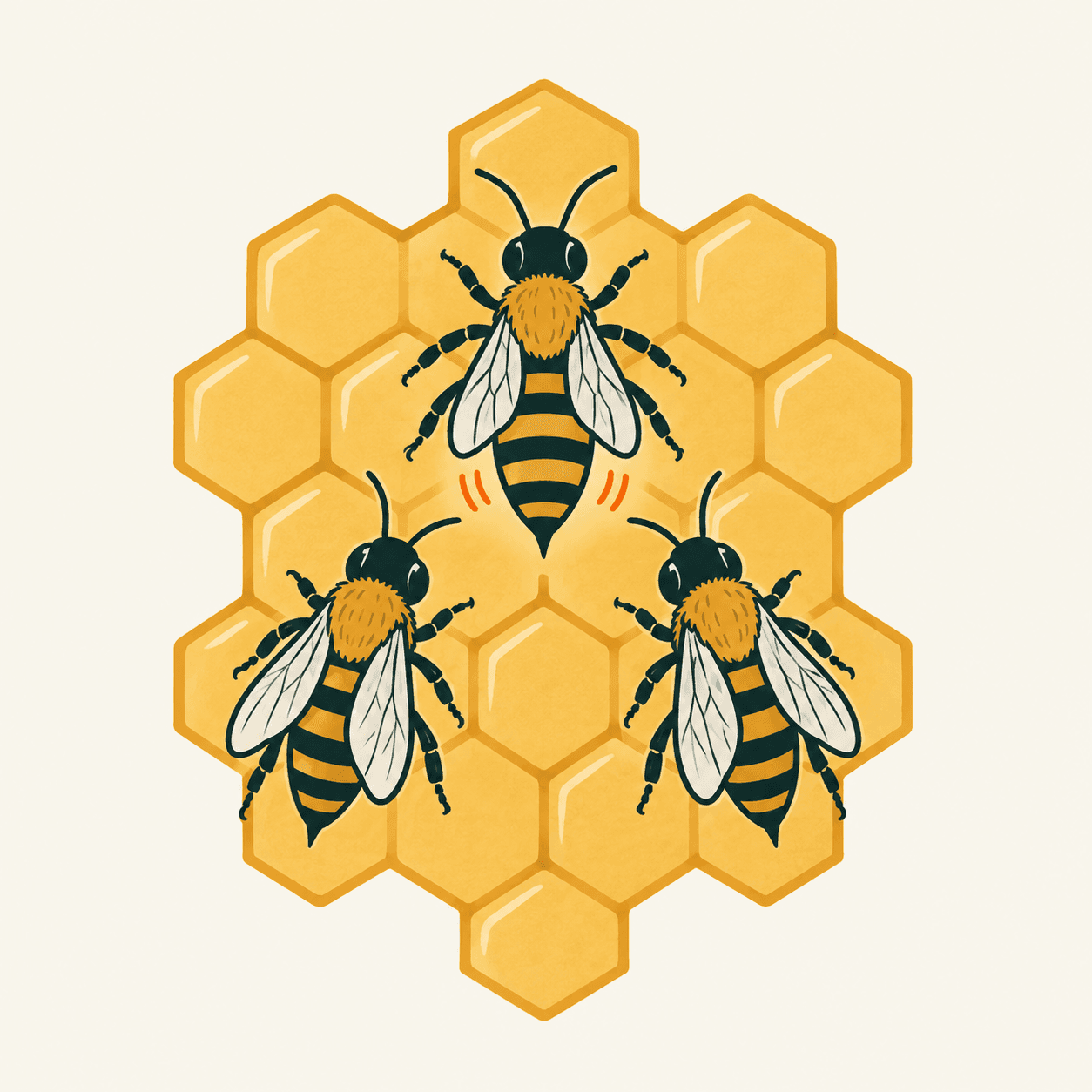
Three honey bees on a vertical honeycomb: the central bee faces upwards and waggles its abdomen while the other two follow.
Positive Times · ImageGen · AI-assisted illustration

Honey bees give directions by dancing

When honey bees find a rewarding patch of flowers, they can communicate its direction and distance to nestmates through the waggle dance. University of Sussex researchers decode these movements to study where the bees search for food. [1]

The angle of the dancing run from vertical corresponds to the angle of the outdoor route from the Sun. For example, a run directed upwards indicates a resource towards the Sun: a celestial reference translated onto the comb. [2]

Take this with youAn exercise from our editors: try indicating a direction without speaking. Then give the bees this advantage: their team meeting already includes dancing.

Read the sources (2)
  1. Decoding waggle dances to determine where honey bees forage University of Sussex · Laboratory of Apiculture and Social Insects · accessed 13 Sept 2026
  2. Bee Waggle Dance — Introduction Arizona State University · Ask A Biologist · accessed 13 Sept 2026
Read the discovery

Original writing and illustrations made with AI assistance. Each discovery includes its sources. Our editorial method