4 THINGS WORTH KNOWING /

Little Discoveries

Design · Philosophy · Plants · Curiosities. 4 discoveries in this edition.

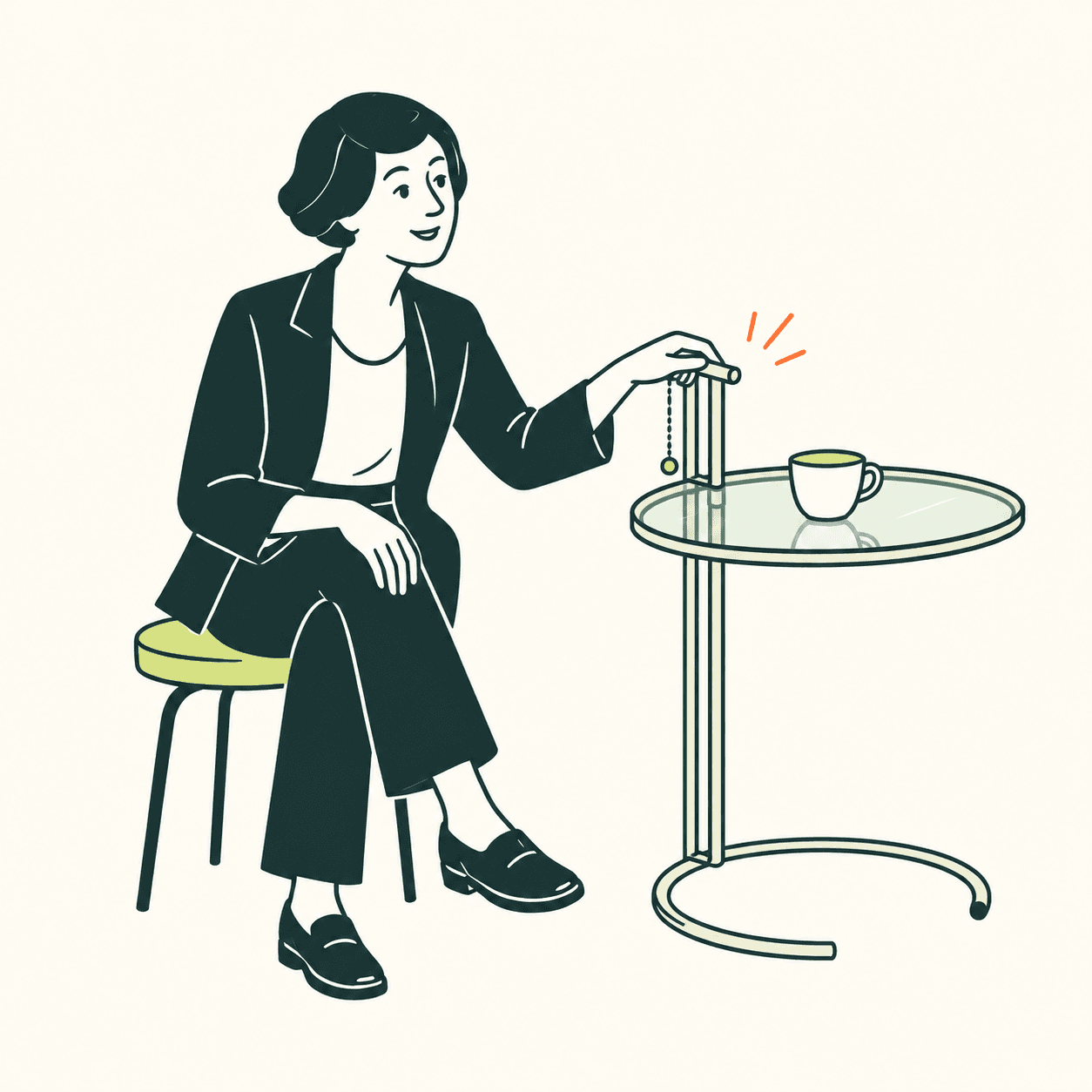
An interpretive portrait of Eileen Gray sitting beside a circular glass table with an adjustable side support and a cup.
Positive Times · ImageGen · AI-assisted illustration

Eileen Gray, a table that makes itself comfortable

In 1927, Eileen Gray designed a circular table with adjustable height. MoMA holds an example made in 1976, using glass and chrome-plated tubular steel: separating the design date from the object’s manufacture helps us read a piece of furniture, too. [1]

The Design Museum explains that the E-1027 table was created for a sister who enjoyed breakfast in bed. Behind the geometry was a practical gesture: bringing a surface to where it was needed, adapting it to the person and the home. [2]

Take this with youOur exercise: look at an object you use every morning. Which movement does it make easier? The crumbs can wait for theory.

Read the sources (2)
  1. Eileen Gray. Adjustable Table. Designed 1927 (this example 1976) The Museum of Modern Art · accessed 12 Sept 2026
  2. Eileen Gray Design Museum · accessed 12 Sept 2026
Read the discovery
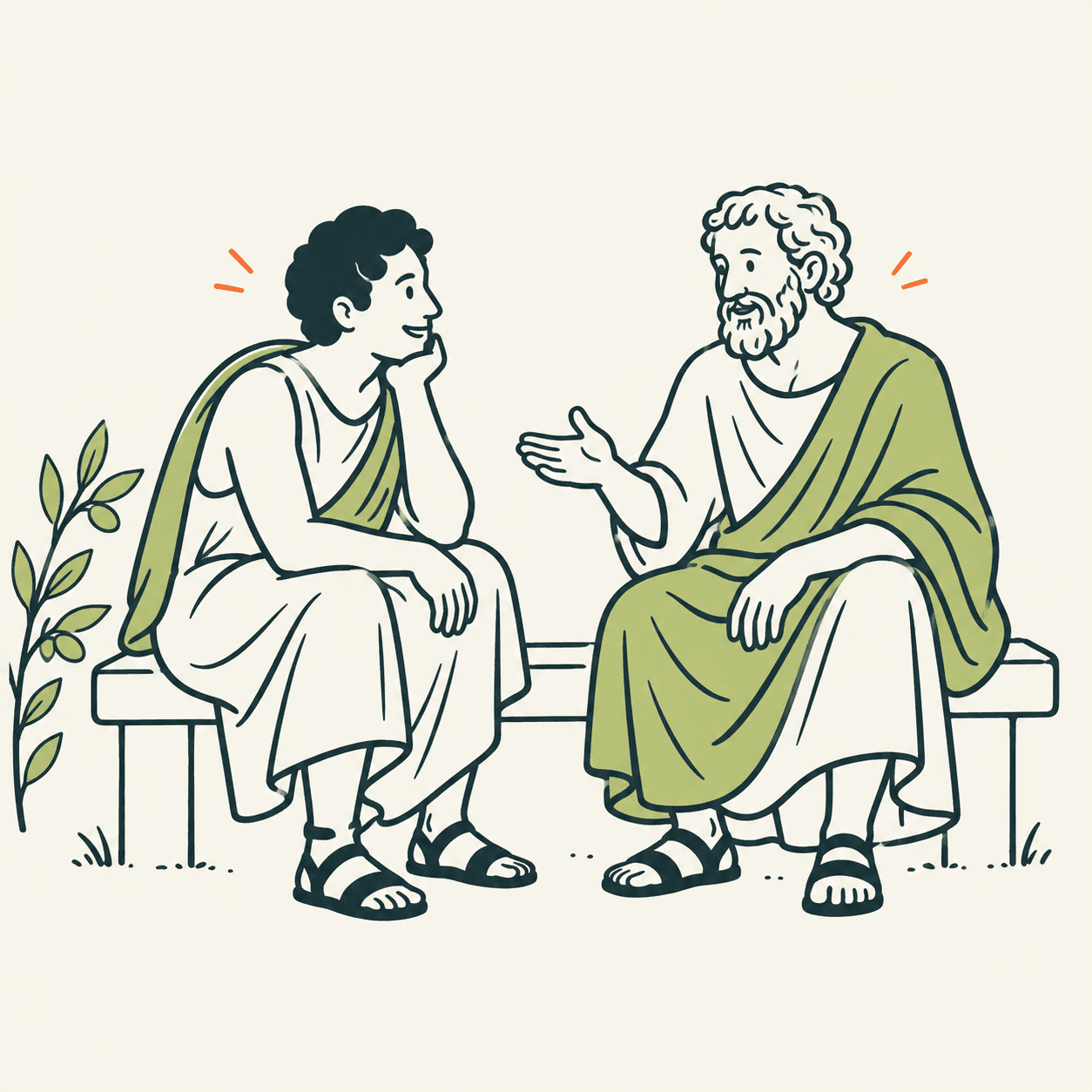
An interpretive scene of Aristotle, bearded and wearing a green mantle, talking with a friend on a bench beside an olive branch.
Positive Times · ImageGen · AI-assisted illustration

Aristotle, a friend is not a service

In Book VIII of the Nicomachean Ethics, Aristotle distinguishes friendships based on usefulness, pleasure and good character. In the fullest form, friends wish each other well because of the other’s worth: the person matters even when they offer no immediate advantage. [1]

The Stanford Encyclopedia of Philosophy explains that this care involves feelings and actions: celebrating a friend’s success and supporting their good. Here is an example invented by our editors: helping someone prepare for an interview, knowing that the job could take them far away. [2]

Take this with youOur prompt: think of a favour with nothing expected in return. For once, the relationship spreadsheet can stay closed.

Read the sources (2)
  1. Nicomachean Ethics — Book VIII The Internet Classics Archive · Massachusetts Institute of Technology · accessed 12 Sept 2026
  2. Friendship Stanford Encyclopedia of Philosophy · accessed 12 Sept 2026
Read the discovery
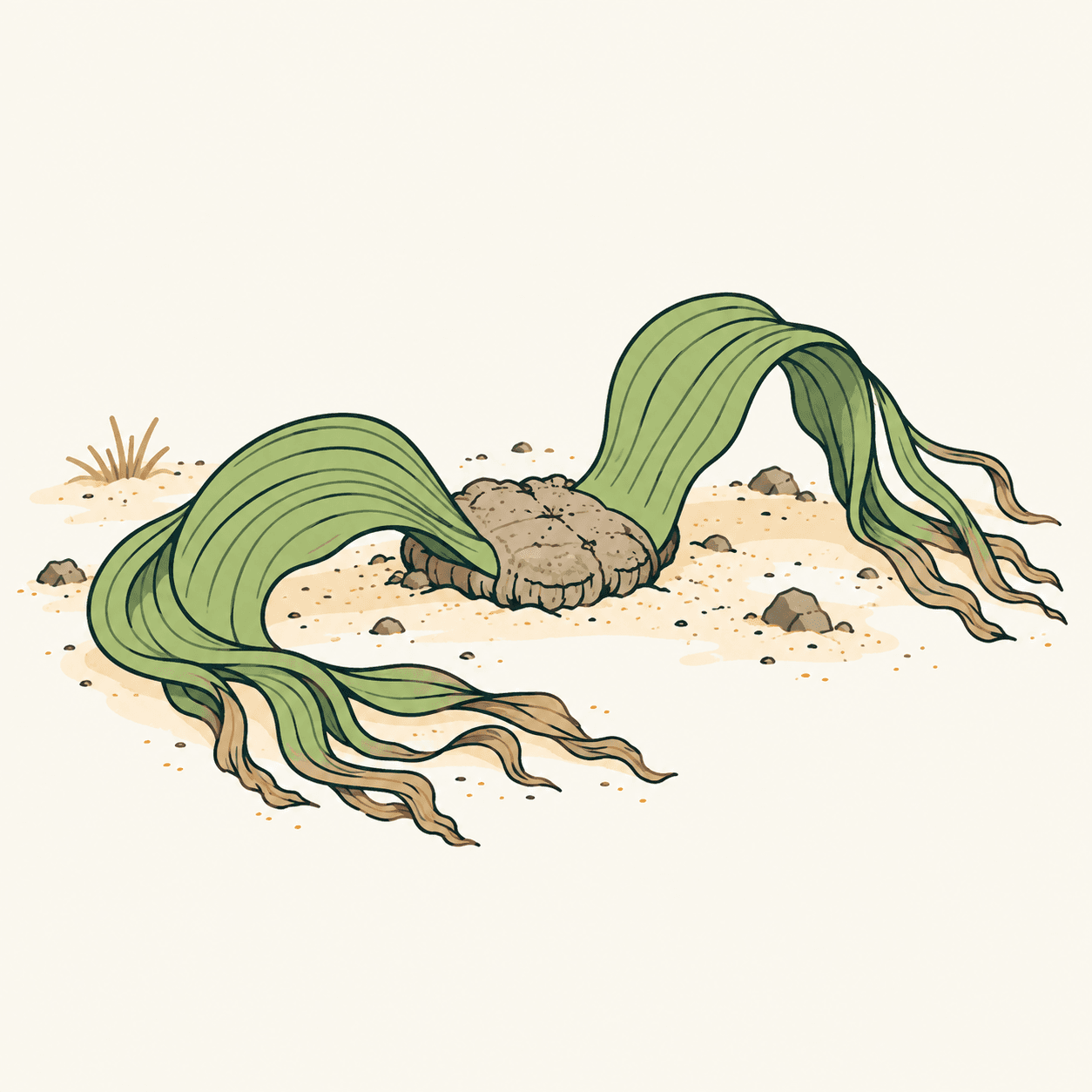
Welwitschia on sandy ground: two broad, strap-shaped leaves emerge from a low woody stem, with parallel veins and ends split into ribbons.
Positive Times · ImageGen · AI-assisted illustration

Welwitschia, two leaves for a lifetime

Welwitschia mirabilis lives in the Namib Desert and retains just two leaves as an adult. It is not necessarily a newly sprouted plant: Kew describes living specimens more than a thousand years old. Two leaves can therefore accompany a very long life. [1]

SANBI’s botanical profile explains the apparent trick: the two leaves are broad, leathery and strap-shaped; they keep growing and tear into strips with age. What looks like a heap of leaves is the result of those same two leaves becoming frayed. [2]

Take this with youOur visual exercise: trace the ribbons back to the stem. Counting the ends does not tell you how many leaves there are.

Read the sources (2)
  1. The living fossil Royal Botanic Gardens, Kew · accessed 12 Sept 2026
  2. Welwitschia mirabilis South African National Biodiversity Institute · PlantZAfrica · accessed 12 Sept 2026
Read the discovery
A stylised yellow and dark butterfly with small tails on its wings touches a leaf with six legs; its antennae and coiled proboscis are visible.
Positive Times · ImageGen · AI-assisted illustration

Butterflies taste where they put their feet

For a butterfly, landing on a leaf can also be a taste test. The Florida Museum explains that many taste receptors are on the feet, although they occur elsewhere too: contact helps a butterfly assess a plant before laying eggs on it. [1]

Entomologist Rich Zack of Washington State University describes the feet as tools for an initial chemical assessment. The choice also matters for future caterpillars, many of which eat only particular host plants. The leaf is therefore examined before the caterpillar starts eating. [2]

Take this with youOur comment: for them, landing can mean reading the menu. The rest of us can keep using our eyes.

Read the sources (2)
  1. Butterfly Rainforest Moment, How do they taste? Florida Museum of Natural History · accessed 12 Sept 2026
  2. How do butterflies taste with their feet? Washington State University · Ask Dr. Universe · accessed 12 Sept 2026
Read the discovery

Original writing and illustrations made with AI assistance. Each discovery includes its sources. Our editorial method