4 THINGS WORTH KNOWING /

Little Discoveries

Design · Philosophy · Plants · Curiosities. 4 discoveries in this edition.

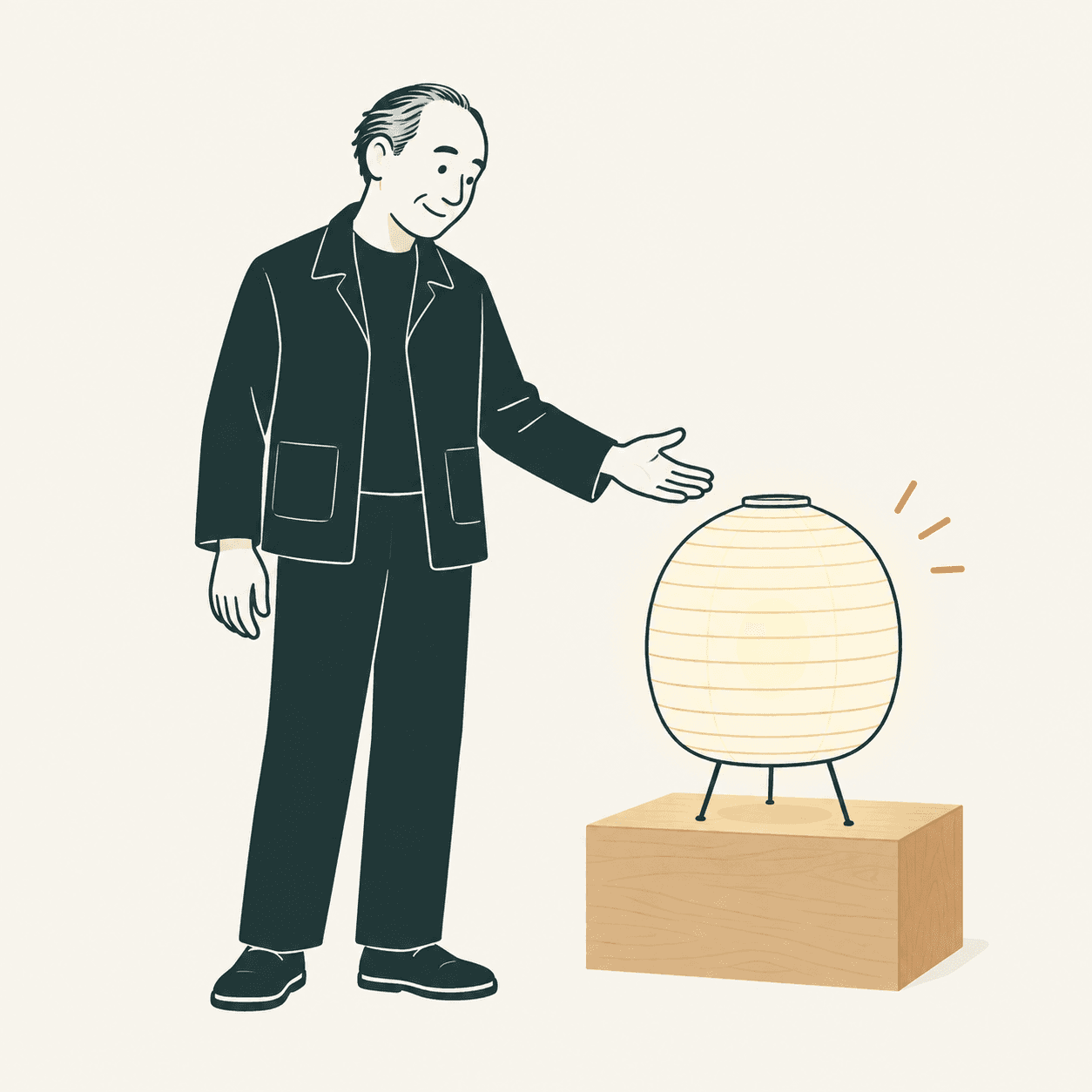
An interpretive portrait of Isamu Noguchi beside a stylised round paper lamp standing on a wooden block.
Positive Times · ImageGen · AI-assisted illustration

Isamu Noguchi: a sculpture you can switch on

In 1951, after encountering traditional lanterns in Gifu, Isamu Noguchi began imagining Akari: luminous sculptures made from washi paper and slender bamboo ribs. Light passes through the material and becomes part of the work, rather than simply illuminating it. [1]

The Metropolitan Museum holds Akari E, a hanging lamp built from geometric forms. Its story includes an effort to revive local craftsmanship: an object can be a sculpture and still light up a room. [2]

Take this with youOur little exercise: look at a lamp switched off, then on. The design changes with the light. No gallery opening required.
Read the sources (2)
  1. AKARI The Kagawa Museum · accessed 10 Sept 2026
  2. Akari E The Metropolitan Museum of Art · accessed 10 Sept 2026
Read the discovery
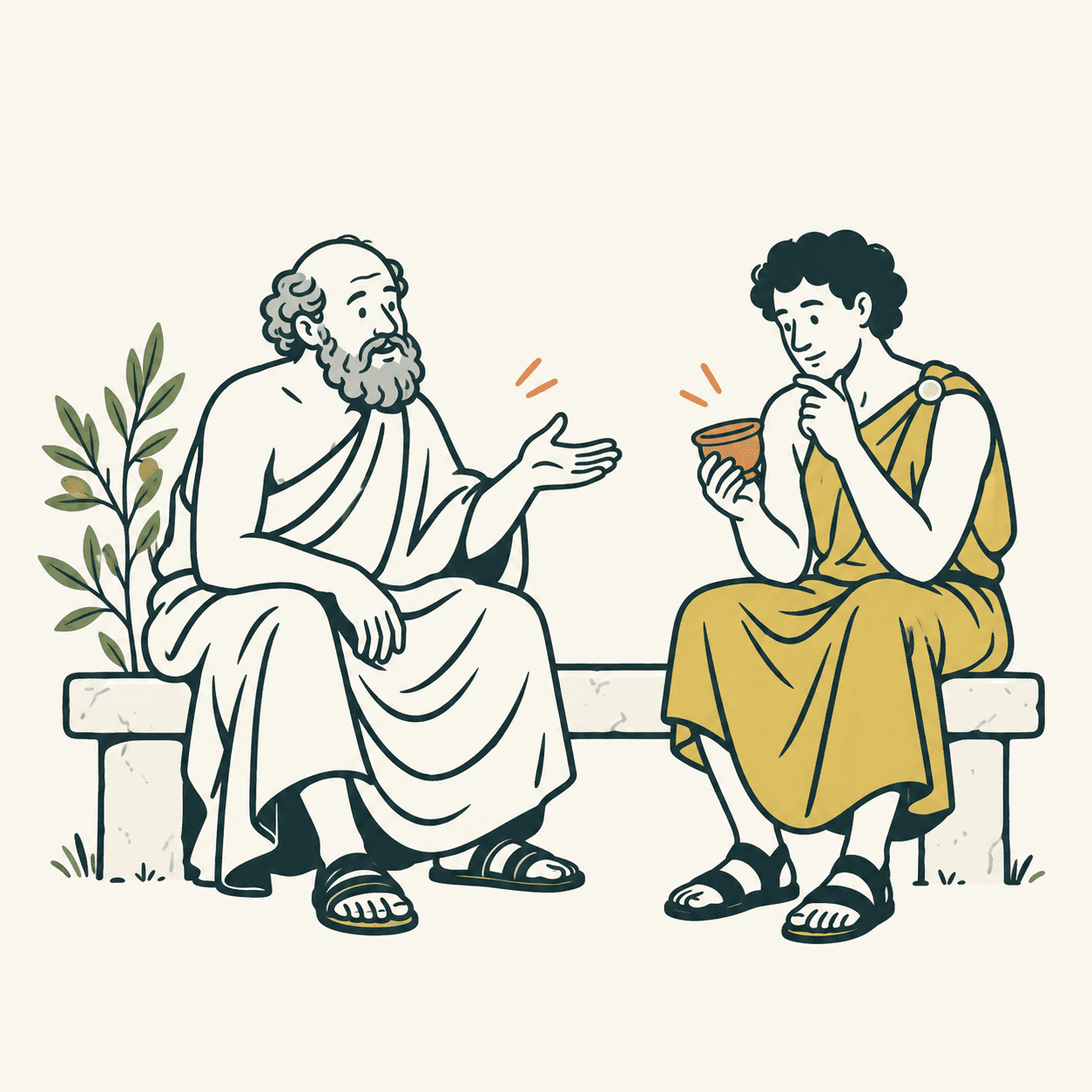
An imagined scene: an elderly, bearded Socrates talks on a bench with a young adult holding a plain cup.
Positive Times · ImageGen · AI-assisted illustration

Socrates and the limits of expertise

Socrates left no writings: we know him through ancient accounts that do not always agree. The Stanford Encyclopedia of Philosophy cautions us about this. His questioning nevertheless offers a useful idea: recognising the limits of what we know. [1]

In Plato’s Apology, Socrates encounters craftspeople with skills he does not possess. Trouble begins when that ability convinces them they are wise about other matters too. Being good at something does not automatically grant a universal licence to know. [2]

Take this with youOur exercise: choose one of your beliefs and ask what evidence could change it. Your inner know-it-all deserves at least an afternoon off.

Read the sources (2)
  1. Socrates Stanford Encyclopedia of Philosophy · accessed 10 Sept 2026
  2. Apology The Internet Classics Archive · MIT · accessed 10 Sept 2026
Read the discovery
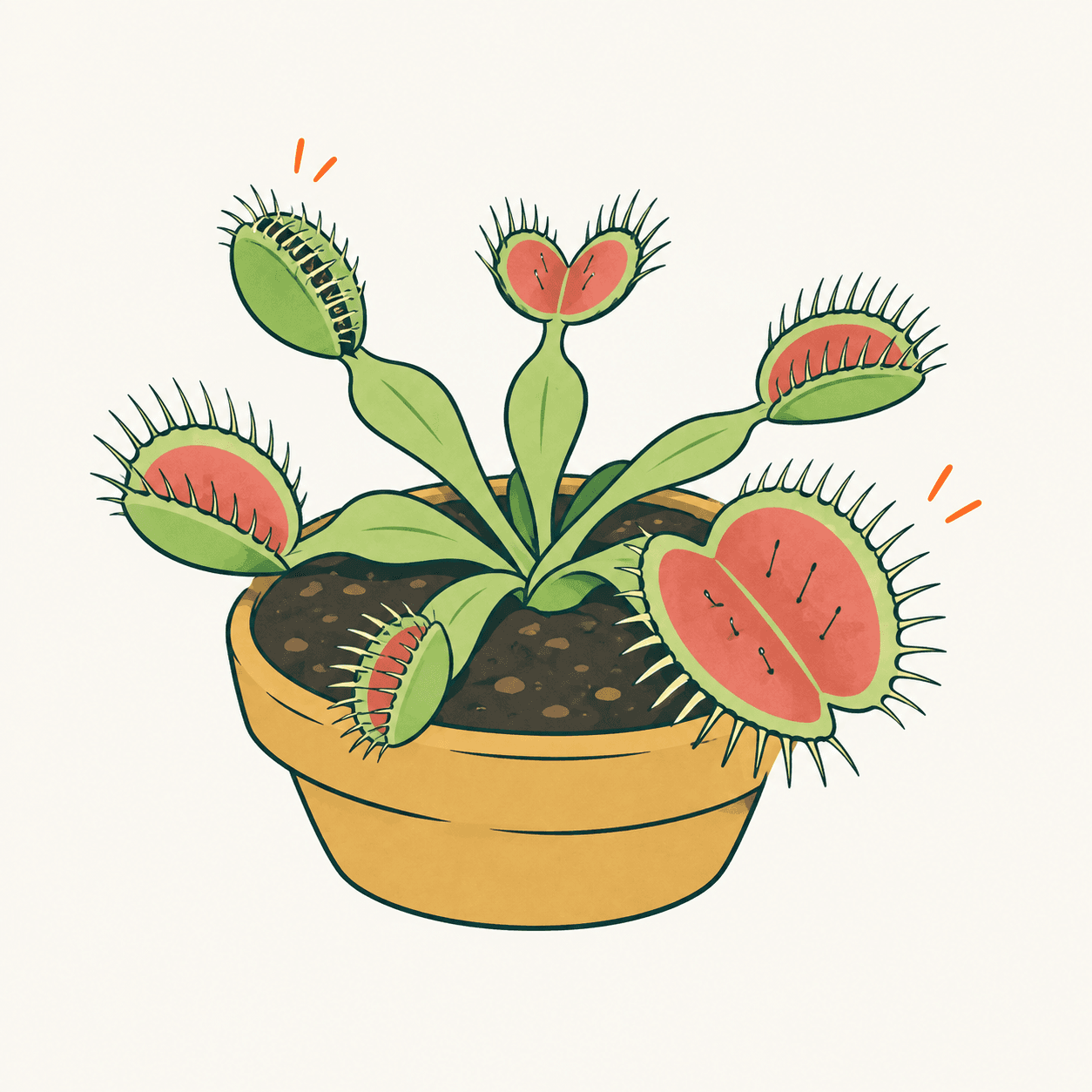
A potted Venus flytrap with a leaf rosette, green and red two-lobed traps, marginal bristles and fine trigger hairs.
Positive Times · ImageGen · AI-assisted illustration

Venus flytrap: a leaf waiting for confirmation

Dionaea muscipula forms a small rosette of leaves. Their tips carry traps with two lobes, often reddish inside, and marginal bristles that interlock when the trap closes. Those are not teeth: we are still very much in the plant kingdom. [1]

Kew explains that, typically, two closely spaced touches to sensitive hairs trigger closure: two hairs can be touched, or the same one twice. Captured prey supply nutrients that are scarce in the ground; carnivory is a response to nutrient-poor soil. [2]

Take this with youThe little discovery is a leaf transformed into a trap. Our own joke: even this botanical doorkeeper waits for confirmation before closing.

Read the sources (2)
  1. Dionaea muscipula — Venus flytrap Royal Horticultural Society · accessed 10 Sept 2026
  2. Carnivorous plants explained: Venus flytraps, pitcher plants & more Royal Botanic Gardens, Kew · accessed 10 Sept 2026
Read the discovery
A sea otter floats on its back, holding a shell in its forepaws above a stone on its chest, with webbed hind feet visible.
Positive Times · ImageGen · AI-assisted illustration

The sea otter already brought the tools

Sea otters can use stones and shells to break open their prey. They do not all do it in the same way: U.S. Geological Survey data show large differences between individuals, linked partly to diet and food availability. [1]

Here is a concrete example: after surfacing, an otter can roll onto its back, rest a stone on its chest and pound a hard-shelled mollusc against it. Tools for Critical Thinking in Biology describes the behaviour: tool and workbench travel together. [2]

Take this with youOur comment: when lunch puts up a fight, a tool helps. Around here, at least, the toolbox floats.

Read the sources (2)
  1. Tool-use frequency by individual sea otters in California U.S. Geological Survey · accessed 10 Sept 2026
  2. Tools for Critical Thinking in Biology — chapter 8 (excerpt) National Center for Science Education · accessed 10 Sept 2026
Read the discovery

Original writing and illustrations made with AI assistance. Each discovery includes its sources. Our editorial method