4 THINGS WORTH KNOWING /

Little Discoveries

Design · Philosophy · Plants · Curiosities. 4 discoveries in this edition.

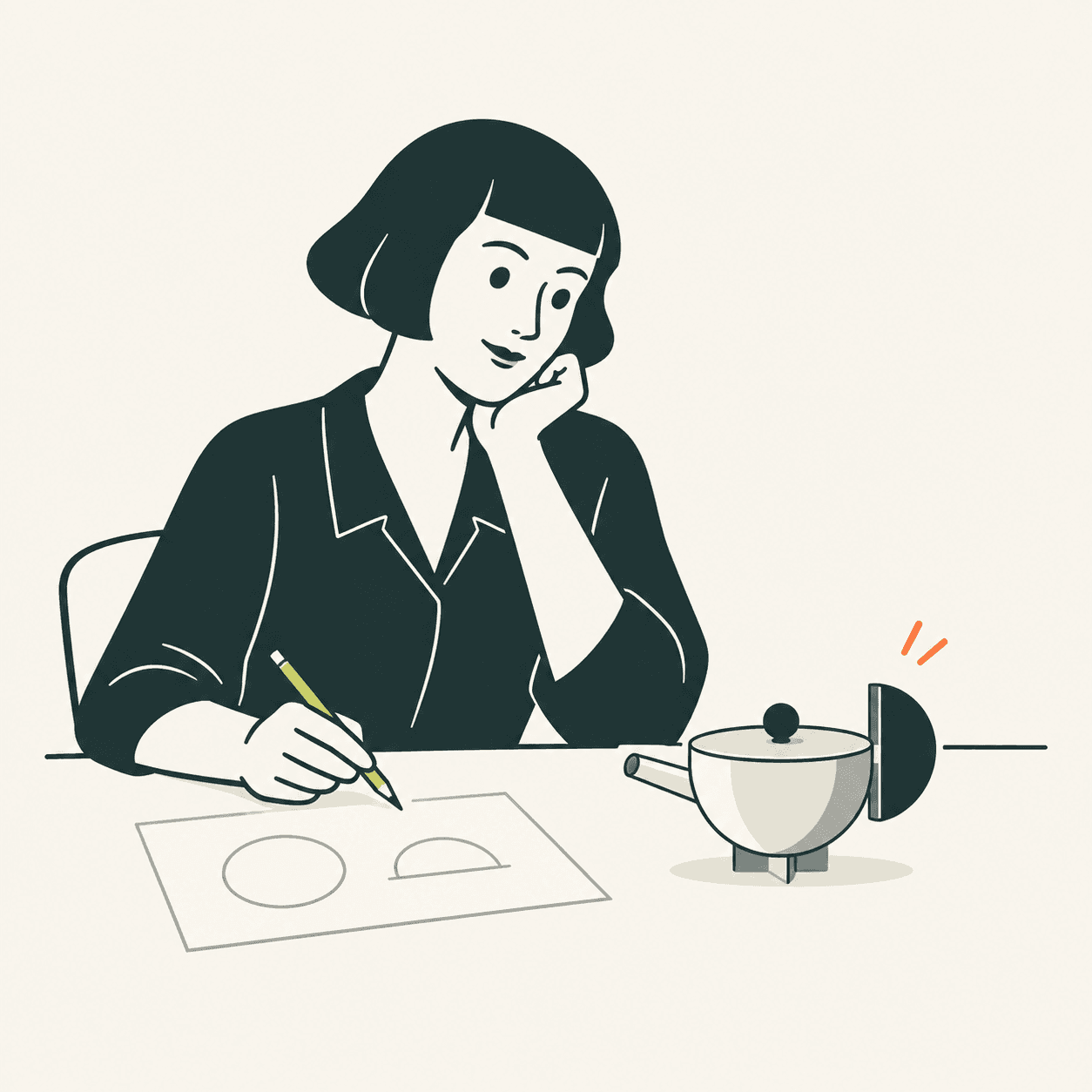
Interpretive portrait of Marianne Brandt at a table with a pencil, geometric sketches and a small stylised teapot.
Positive Times · ImageGen · AI-assisted illustration

Marianne Brandt, geometry at teatime

In 1924, during her first year at the Bauhaus, Marianne Brandt designed the MT 49 tea infuser in the metal workshop. László Moholy-Nagy supported her work. Silver and ebony, however, were expensive materials: even at the Bauhaus, that choice drew criticism. [1]

The Met describes an object intended to make concentrated tea, diluted afterwards in the cup. Its semicircular handle sits high to make pouring easier: the geometric shapes have a job. It is a concrete example of a visual detail guiding the hand. [2]

Take this with youOur exercise: look at your cup’s handle and consider the gesture it suggests. Geometry, at least here, is buying the drinks.

Read the sources (2)
  1. Tee-Extraktkännchen (MT 49) Bauhaus Kooperation · accessed 9 Sept 2026
  2. Tea Infuser and Strainer The Metropolitan Museum of Art · accessed 9 Sept 2026
Read the discovery
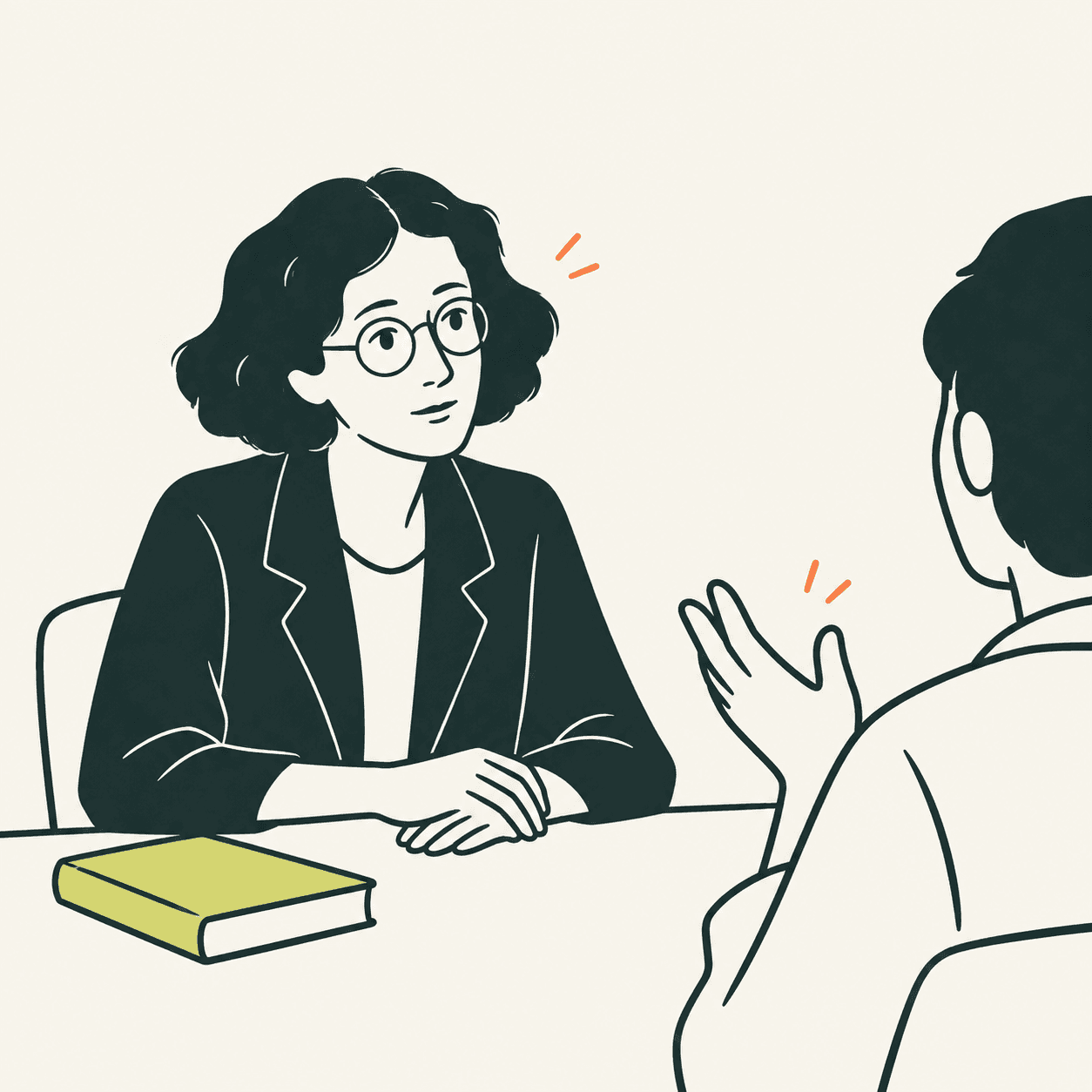
Interpretive portrait of Simone Weil wearing round glasses and listening to a person across the table, with a book beside her.
Positive Times · ImageGen · AI-assisted illustration

Simone Weil, attention that makes room

For Simone Weil, attention is an ethical orientation: recognising what another person is experiencing without immediately imposing our own plans. In her mature thought, this receptiveness has Christian and Platonic roots; reducing it to a productivity technique would miss its meaning. [1]

In her essay on school studies, even tackling a geometry problem without finding the solution can develop attention. Weil connects this patience with the ability to see someone who is suffering as a particular person, beyond the labels. [2]

Take this with youOur small exercise: let someone finish a sentence before preparing your reply. That brilliant piece of advice can wait its turn.

Read the sources (2)
  1. Simone Weil Stanford Encyclopedia of Philosophy · accessed 9 Sept 2026
  2. Reflections on the Right Use of School Studies with a View to the Love of God Simone Weil · Kepler Education · accessed 9 Sept 2026
Read the discovery
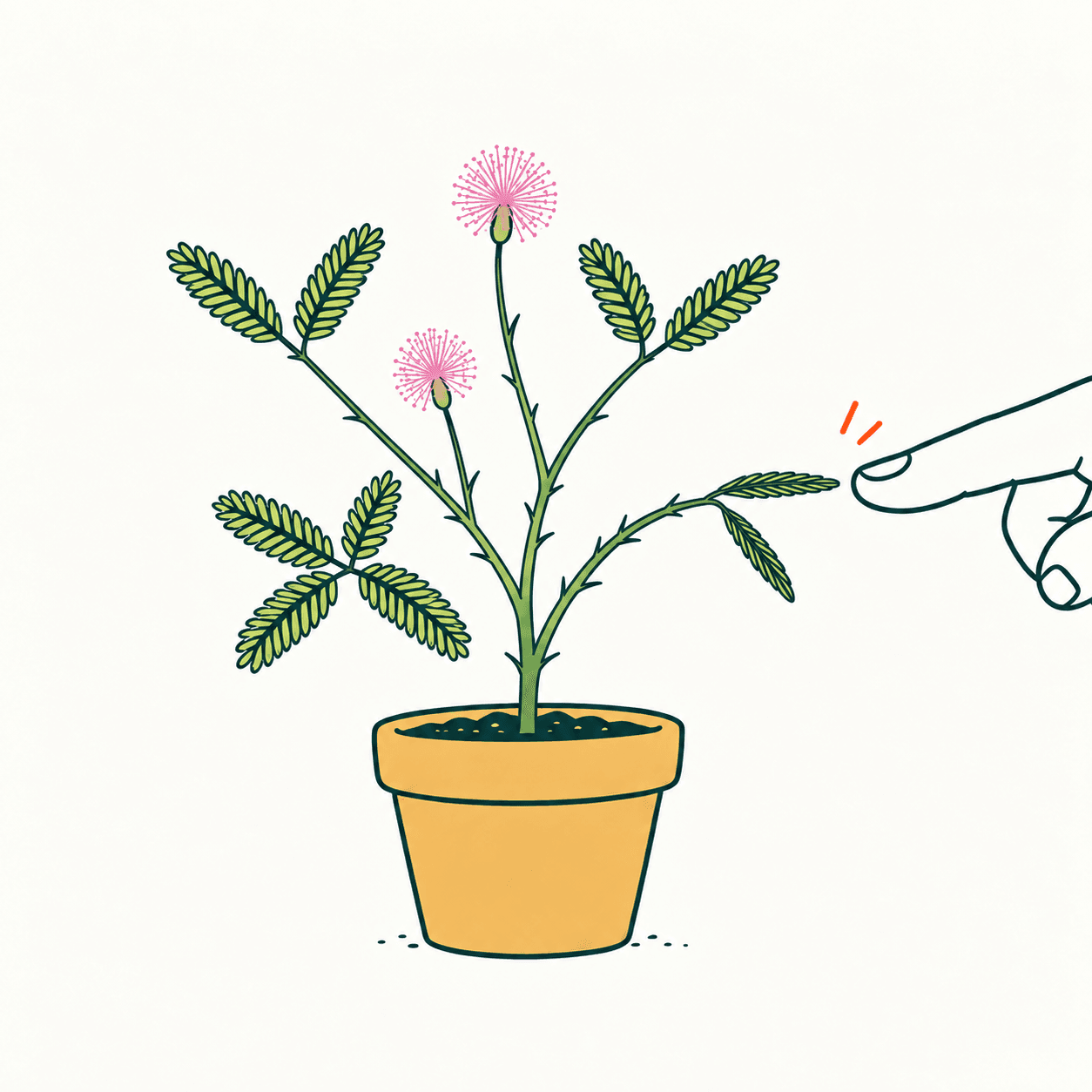
Potted Mimosa pudica with pink flowerheads, open compound leaves and one folded leaf beside a fingertip.
Positive Times · ImageGen · AI-assisted illustration

Mimosa pudica, the leaf that folds

Mimosa pudica has finely divided leaves sensitive to touch and small pale pink or purple flowerheads. The RHS describes a low, spreading plant with spiny stems: when looking closely, its tiny leaflets are the detail worth following. [1]

Movement involves the pulvini, small swellings that act like joints. Changes in water pressure inside cells help the leaves fold; a study using X-ray imaging also revealed flexible structures and the network that supports water transport. The plant’s internal structure helps make its movement possible. [2]

Take this with youOur little discovery: seeing a leaf as something that can move. The greenery we treat as furniture leads a surprisingly active life.

Read the sources (2)
  1. Mimosa pudica — sensitive plant Royal Horticultural Society · accessed 9 Sept 2026
  2. Real-time imaging of pulvinus bending in Mimosa pudica Scientific Reports · accessed 9 Sept 2026
Read the discovery
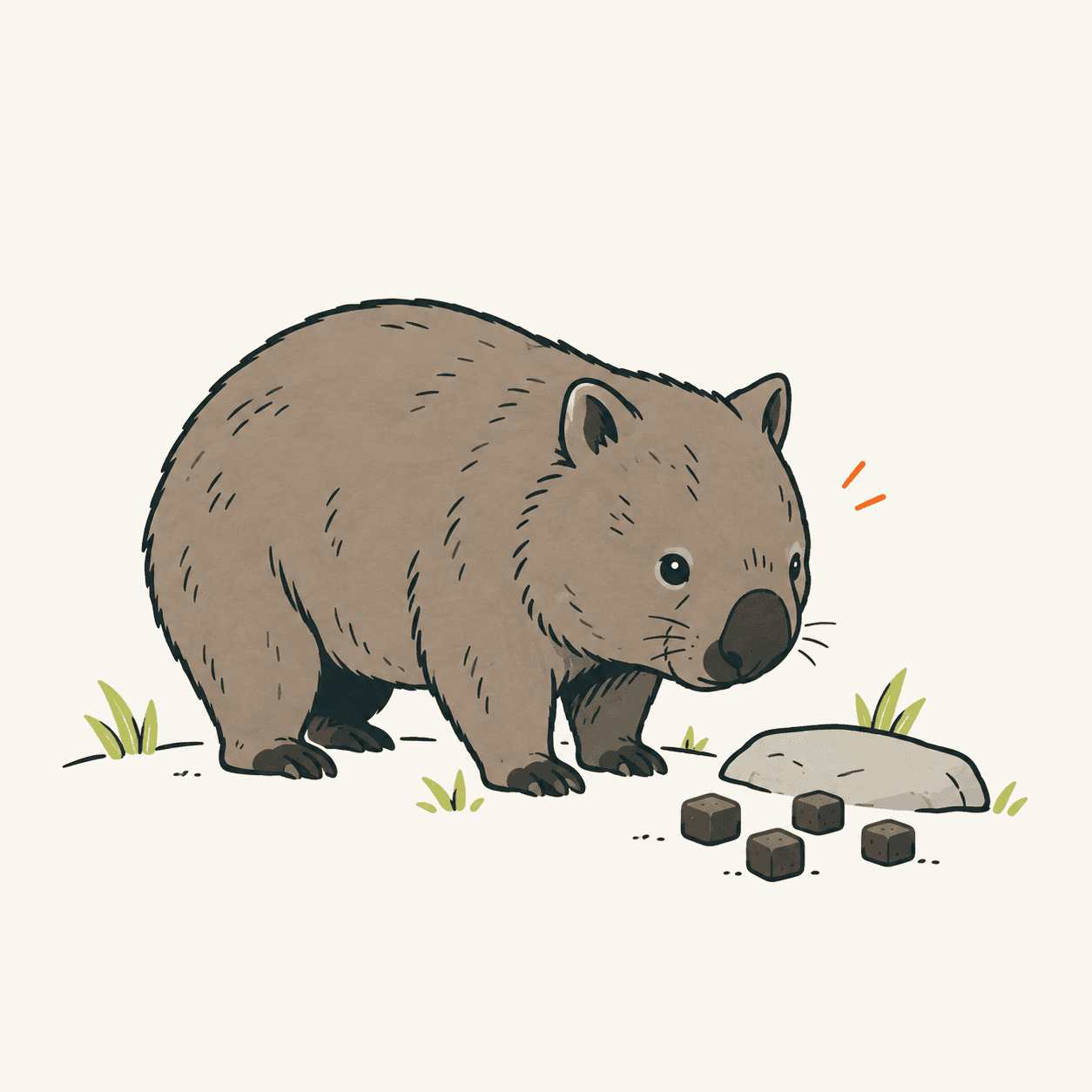
A bare-nosed wombat standing on four legs beside a stone and four small cube-shaped droppings.
Positive Times · ImageGen · AI-assisted illustration

The wombat’s bathroom geometry

The bare-nosed wombat produces cube-shaped droppings. The corners form inside its intestine: a study linked contractions to regions of tissue with different stiffness. Measurements and a mathematical model explain how a soft tube can produce a squared cross-section. [1]

A later study investigated whether drying creates regularly spaced cracks along the material. Experiments with starch and mathematical models offer clues, but the authors acknowledge that further checks are needed: a complete explanation remains unfinished. [2]

Take this with youSerious curiosity can begin with questions that rarely make polite conversation. Here, the geometry department is working very much behind the scenes.

Read the sources (2)
  1. Intestines of non-uniform stiffness mold the corners of wombat feces Soft Matter · Royal Society of Chemistry · accessed 9 Sept 2026
  2. Drying dynamics of pellet feces Soft Matter · Royal Society of Chemistry · accessed 9 Sept 2026
Read the discovery

Original writing and illustrations made with AI assistance. Each discovery includes its sources. Our editorial method